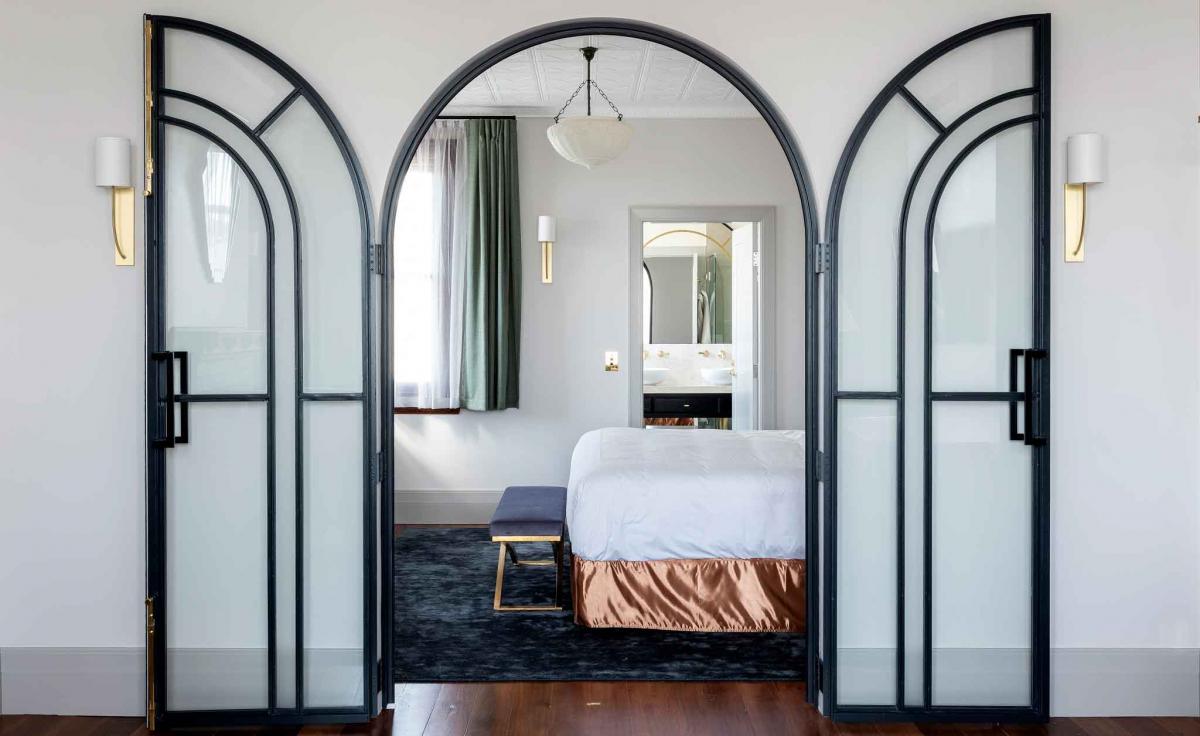
Tattersalls Hotel – Armidale, Australia
Gold Rush history, Art Deco glamour and jewel-box interiors in the New South Wales highlands
Why DNA Hotels Loves It
● Luchetti Krelle’s restoration celebrates both the hotel’s Victorian origins and its 1930s Art Deco transformation rather than choosing between the two.
● Garnet velvet, sapphire banquettes, curved glass, brass, marble and restored pressed-metal ceilings turn this regional Australian hotel into an unexpectedly glamorous design destination.
● With just 25 rooms and suites, intimate lounges and a restaurant at its heart, Tattersalls retains the atmosphere of a grand country hotel rather than becoming a polished heritage museum.
A Country Hotel with a Serious Past
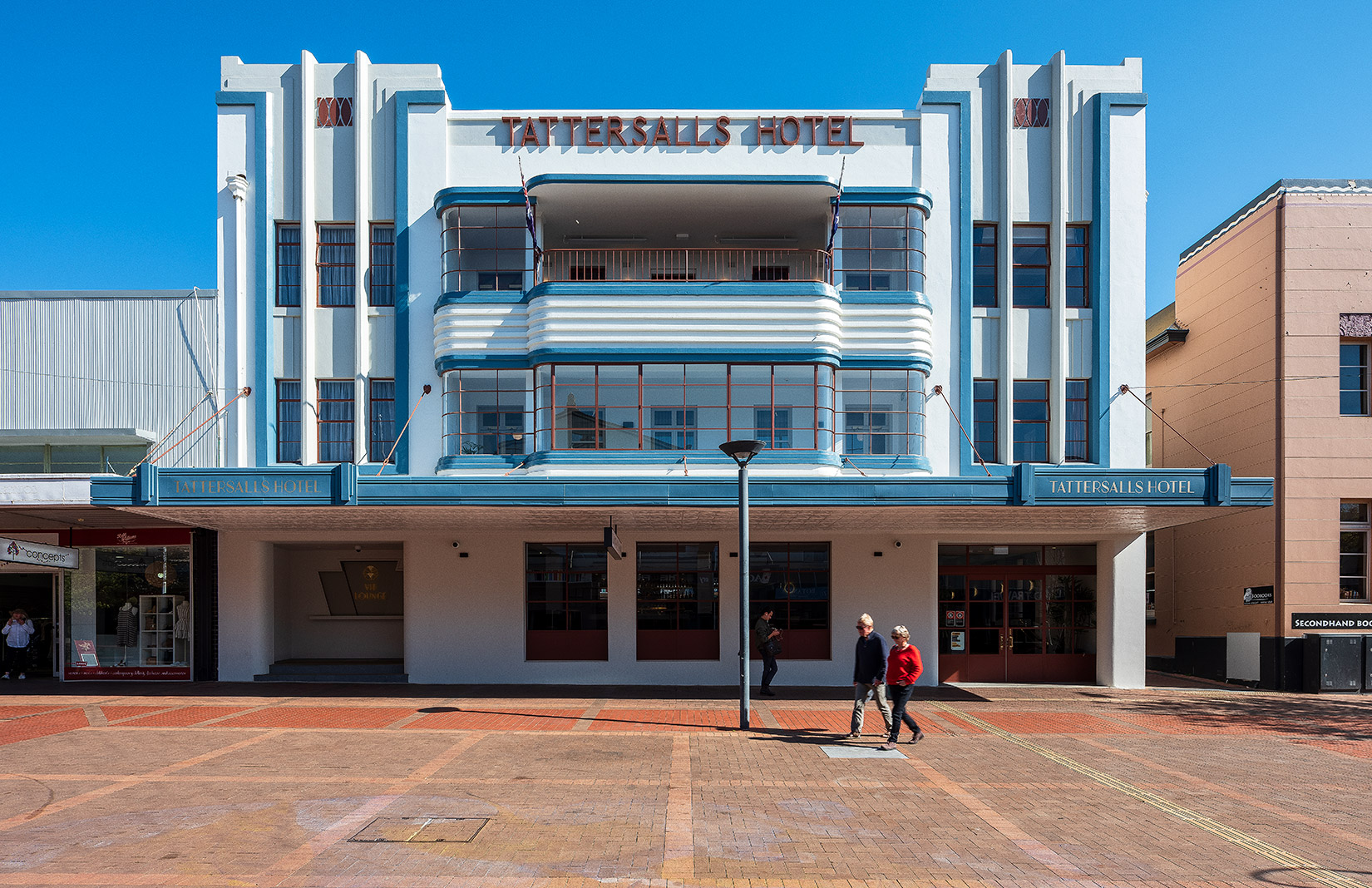
There is something wonderfully unexpected about finding Tattersalls Hotel in Armidale. Halfway between Sydney and Brisbane and around 160 kilometres inland from the coast, this university town in the New England highlands isn’t the obvious place to go looking for lavish Art Deco interiors. And that’s part of the appeal. Tattersalls traces its history back to 1845 and Armidale’s gold-rush era, when the prosperity of the region demanded suitably grand places to gather, drink and stay. Then came another chapter. During the 1930s, the Victorian hotel was remodelled in the fashionable Art Deco style, gaining the curved-glass corners and streamlined façade that still define it today.
Luchetti Krelle Finds the Glamour Again
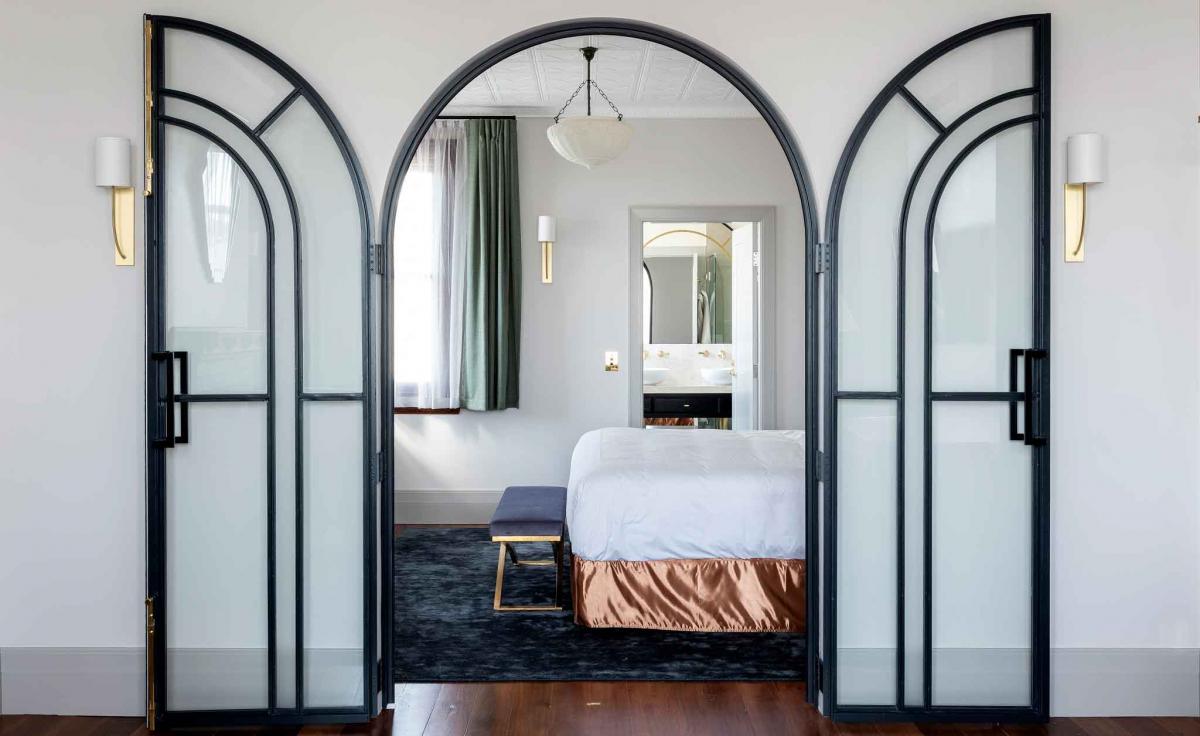
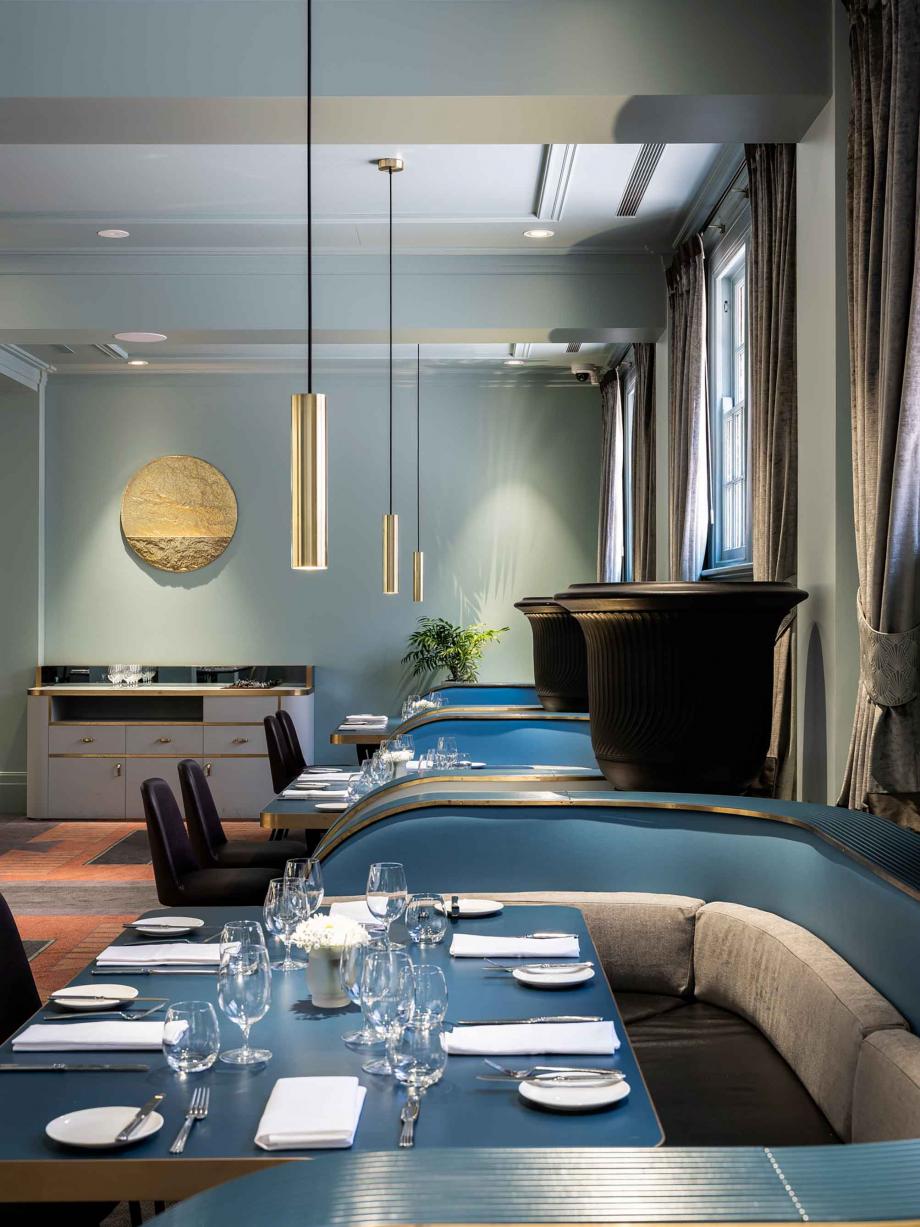
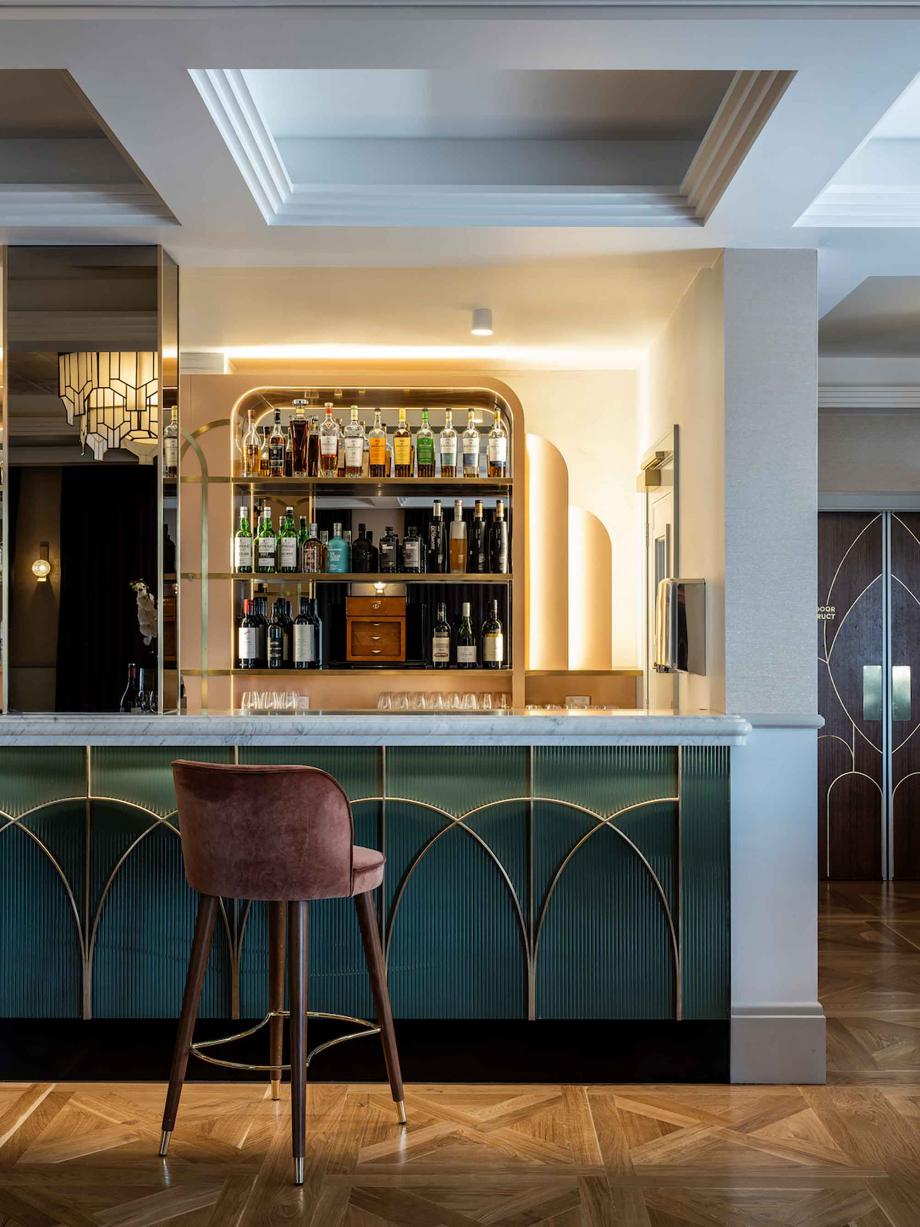
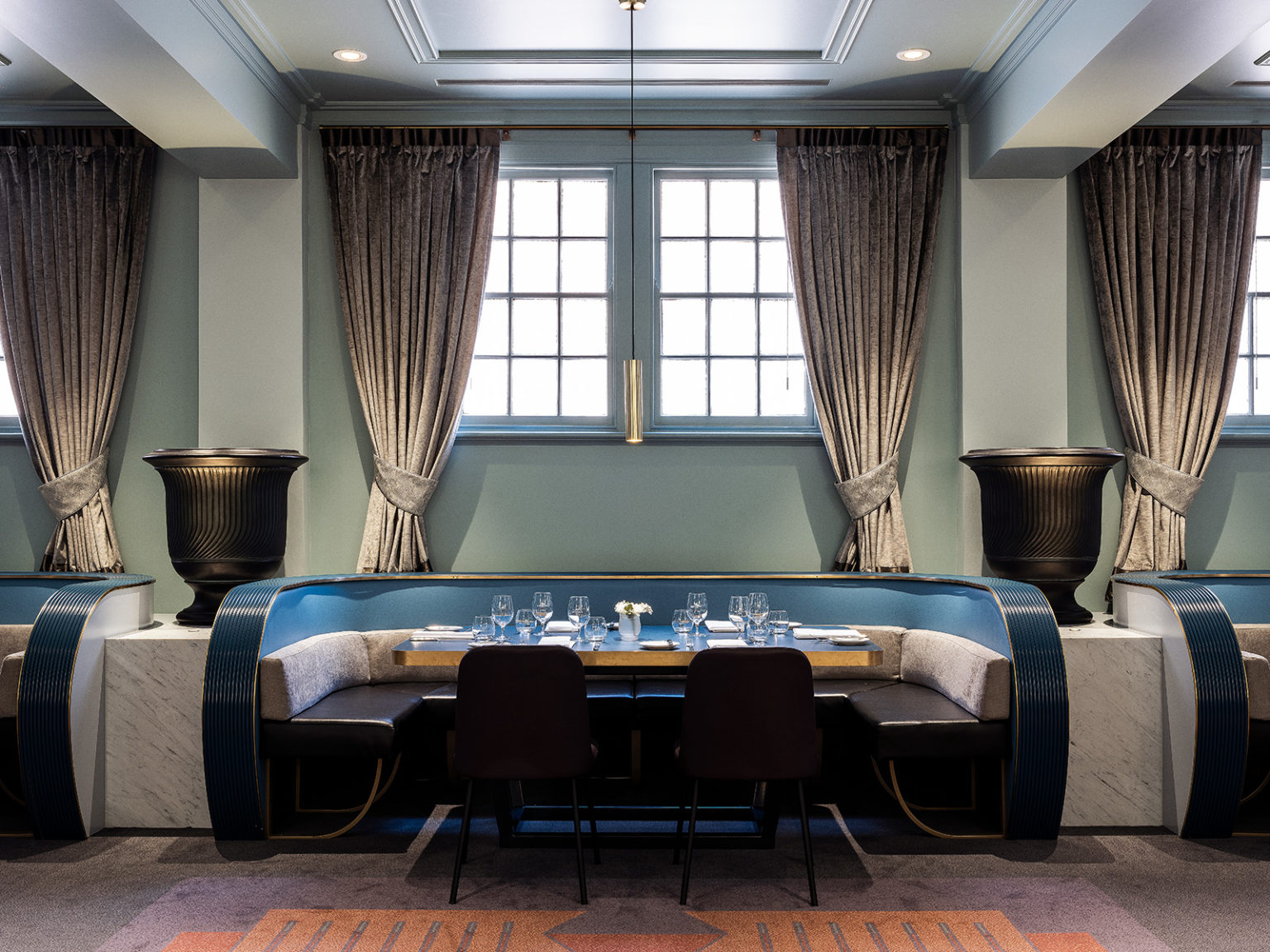
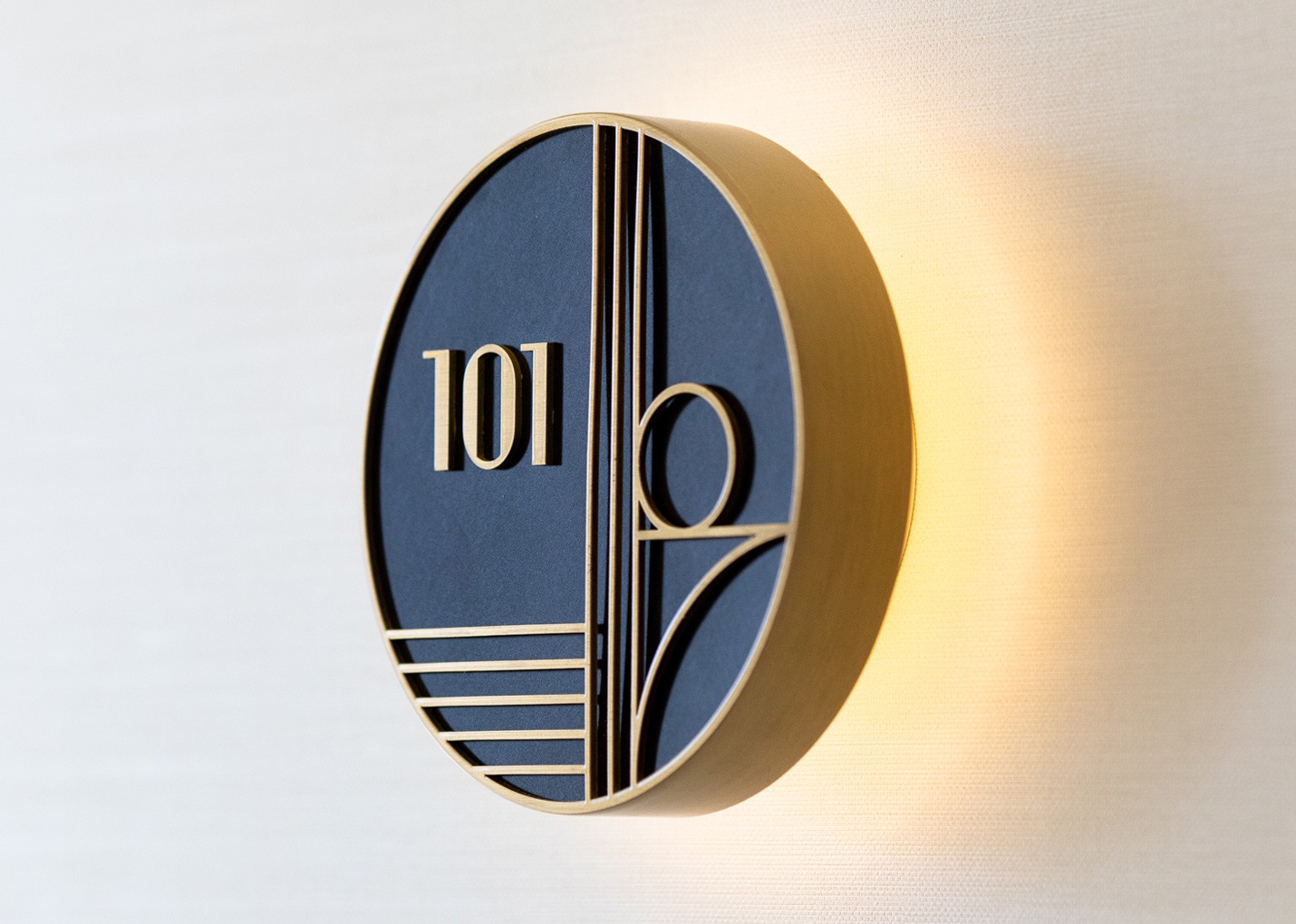
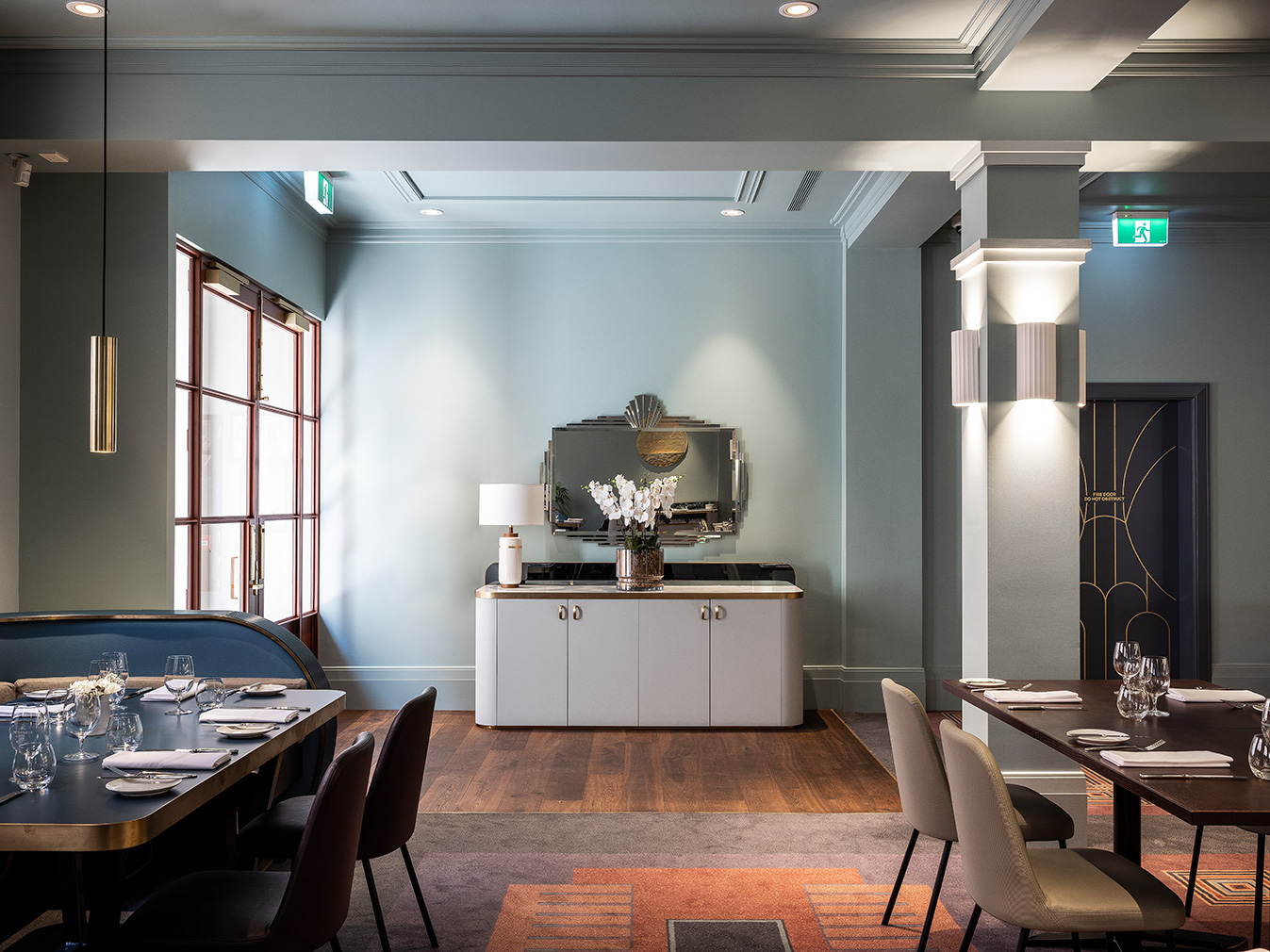
When Sydney studio Luchetti Krelle was brought in for an extensive restoration, the designers had two histories to work with. Their solution wasn’t to recreate either period. Instead, they distilled both. Art Deco curves reappear in mirrors, shelving, steel-framed doors, freestanding bedheads and the beautifully fluted restaurant banquettes. Geometric carpets reference the period without turning the place into a 1930s film set, while brass detailing across the marble and travertine bar has been pared back to its simplest lines. As designer Stuart Krelle put it, the ambition was to create opulence without unnecessary adornment. It works.
Garnet, Sapphire and Gold
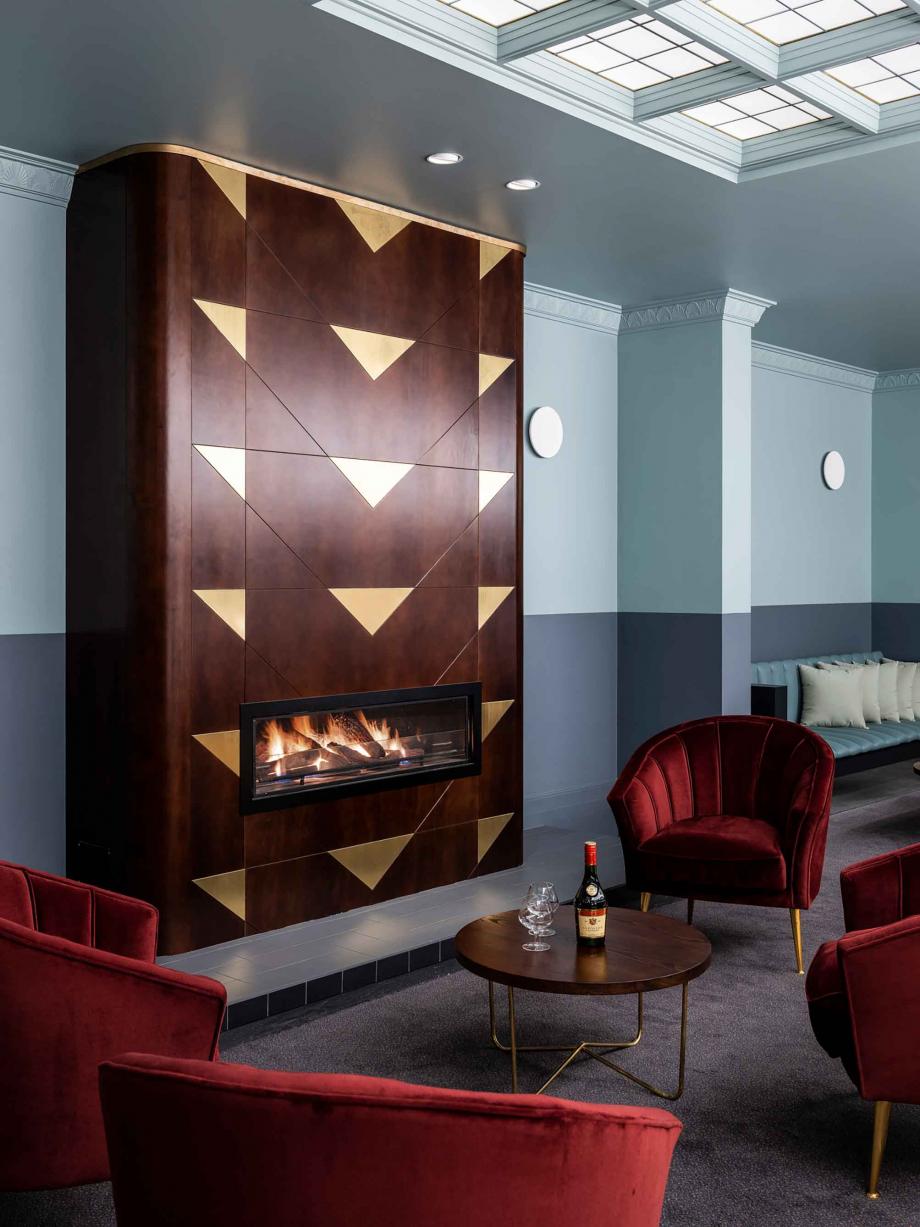
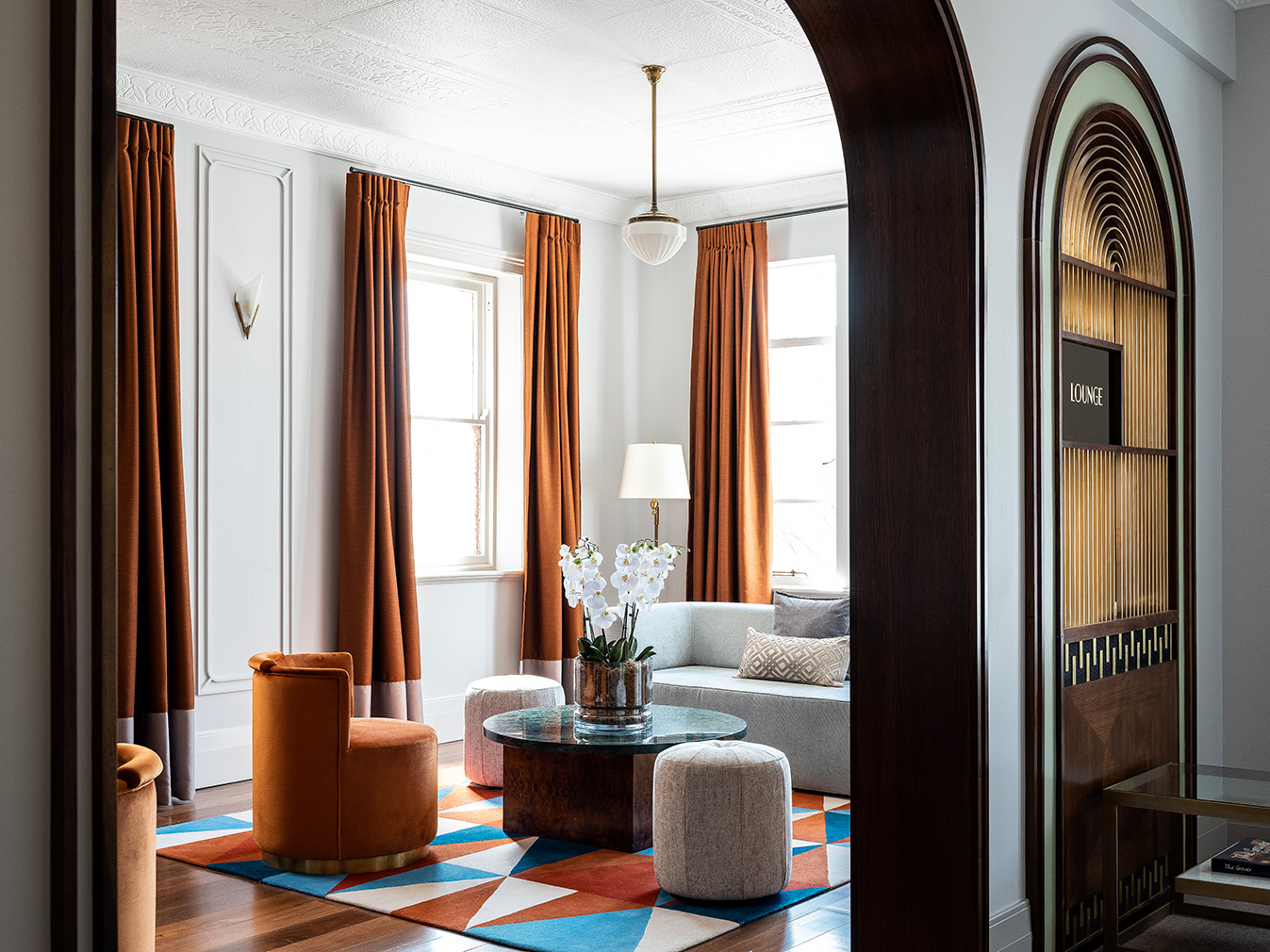
The colour palette does much of the seducing. Sink into a garnet velvet armchair beside the elaborate timber fireplace and you could happily lose an afternoon. Sapphire and diamond-blue walls surround you. Brass catches the light. Dark timber brings warmth. In the restaurant, deep-blue fluted banquettes curve around tables beneath soft lighting. There’s something almost cinematic about it. But the rooms are comfortable enough that the effect never becomes theatrical for theatre’s sake. This is glamour designed to be used.
The Old Bones Remain
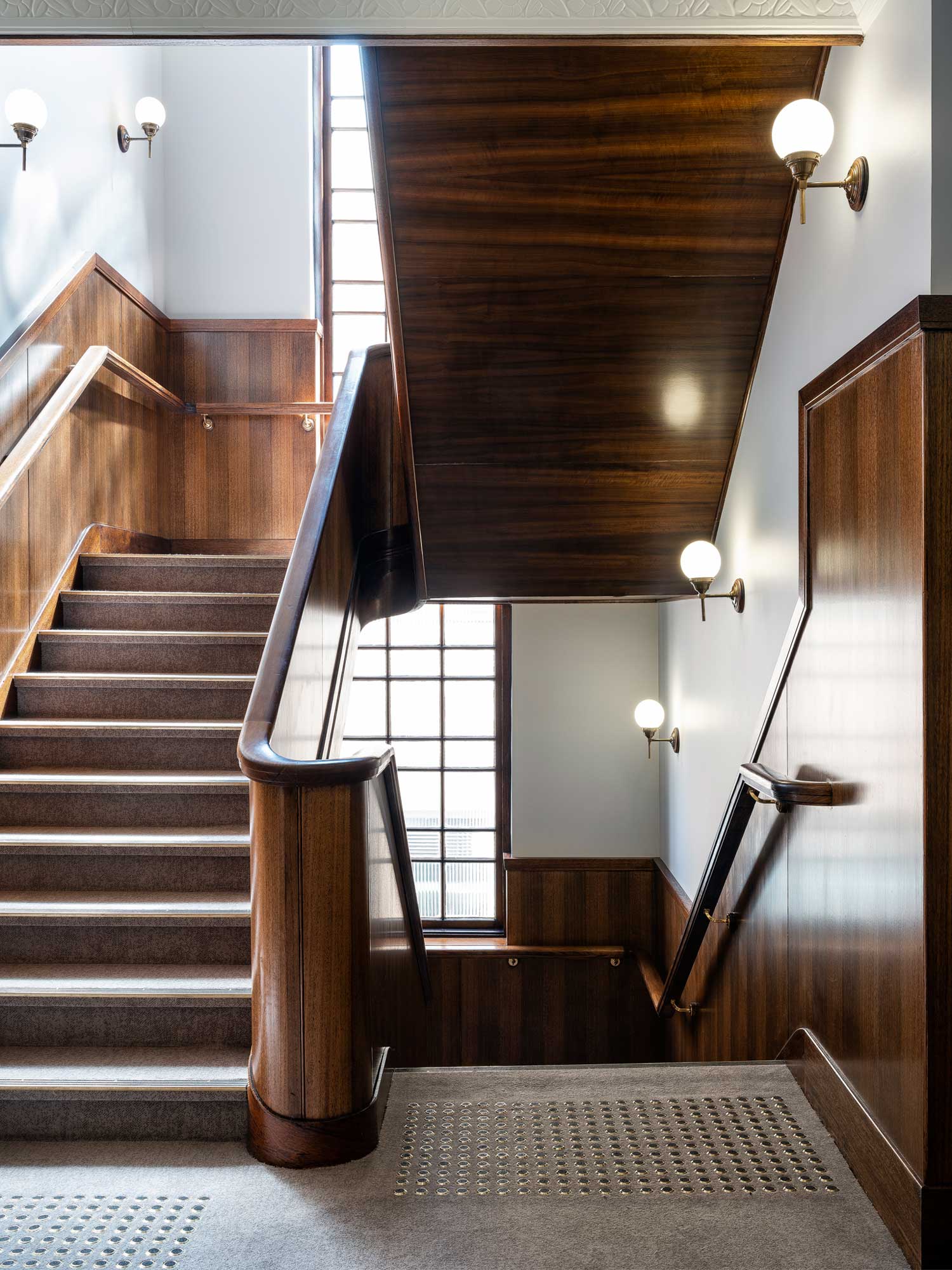
Look beyond the polished surfaces and the original building keeps revealing itself. A substantial timber-lined staircase was restored during the renovation, along with pressed-metal ceilings and a glass skylight. These surviving elements are important. They prevent Tattersalls from feeling like a contemporary hotel dressed up in period references. The history is real. Luchetti Krelle simply gave it back its swagger.
25 Rooms Upstairs
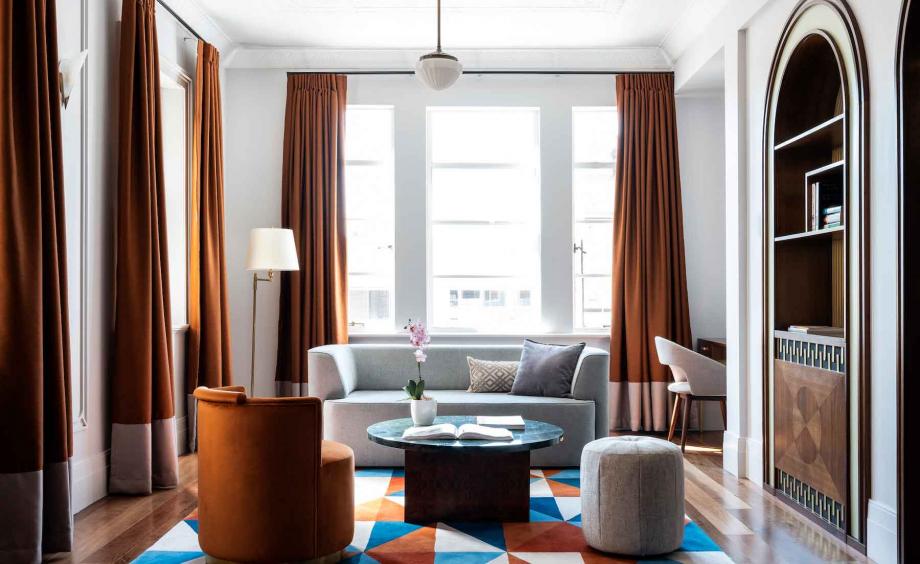
The drama softens upstairs. Tattersalls has just 25 rooms and suites, where the strong jewel tones of the public spaces give way to gentler pastels, tactile fabrics and more abstract interpretations of the building’s Art Deco language. Curved upholstered bedheads wrap around the beds. Arched parquetry shelving creates small architectural cocoons. Pressed-metal ceilings bring the historical detailing overhead, while contemporary furniture keeps everything firmly in the present. It’s noticeably calmer than downstairs. As it should be.
Bathrooms Worth Lingering In
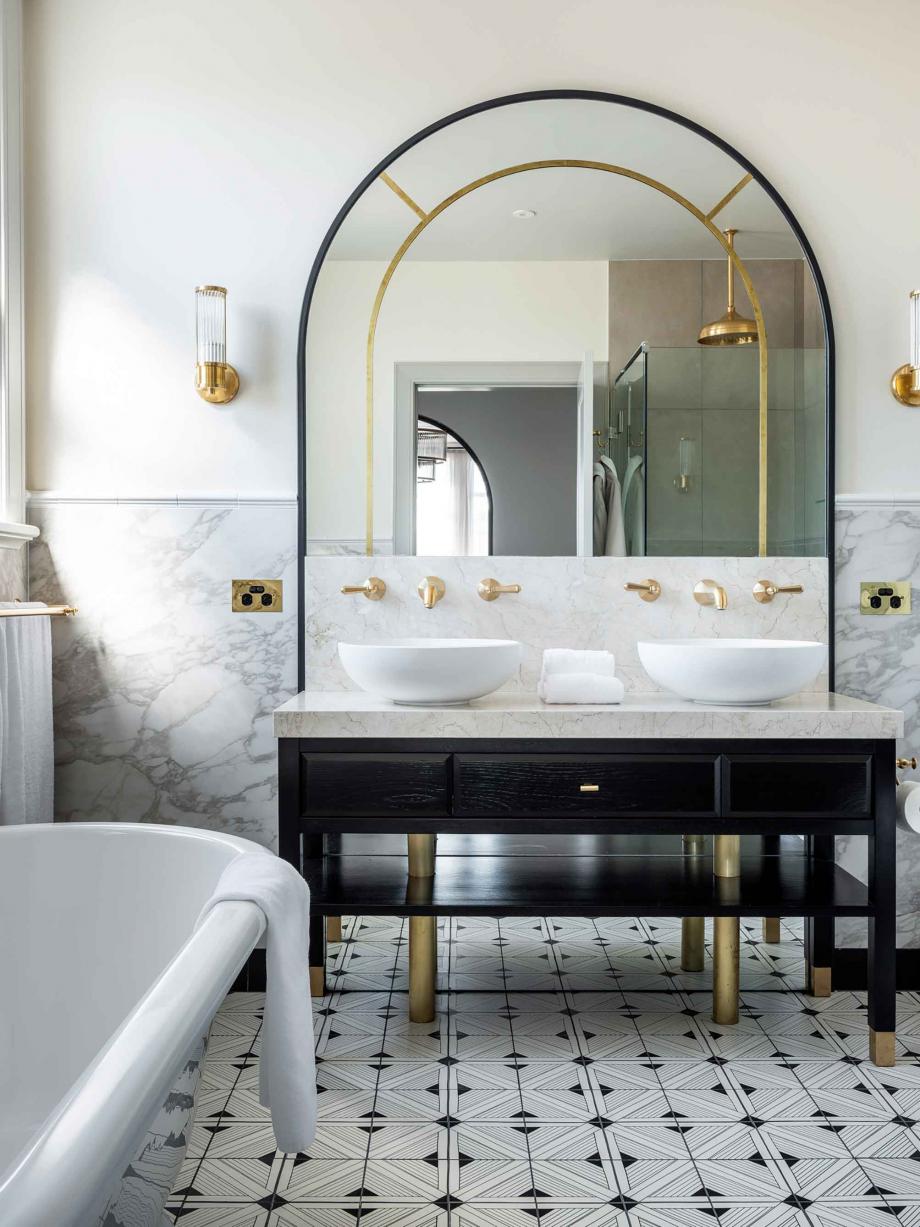
Then there are the bathrooms. Generous marble surfaces bring some of the grandeur back, creating spaces made for considerably more than a hurried morning shower. They’re glossy, indulgent and satisfyingly grown-up. Tattersalls understands something many heritage hotels don’t: historic character doesn’t require historic levels of comfort.
The Hotel as Living Room
Some of our favourite spaces aren’t bedrooms at all. Small private lounges dotted around the upper levels provide somewhere to read, talk or simply disappear for an hour. With their pressed-metal ceilings, curved shelving and upholstered furniture, they feel almost residential. And they reinforce what Tattersalls does particularly well. This isn’t simply a collection of rooms sitting above a restaurant. It still behaves like a proper hotel — a place with different spaces in which to spend the day.
Dinner Downstairs
Eventually, everything leads back downstairs. The restaurant is integral to the atmosphere, its Art Deco curves and jewel tones making dinner feel like part of the hotel experience rather than an amenity attached to it. Start with a drink. Take your time over dinner. Find the fireplace afterwards. Tattersalls is the kind of place that makes the increasingly unfashionable ritual of dressing for dinner suddenly seem like rather a good idea.
Beyond the Front Door
And then there’s Armidale. The city sits high on the Northern Tablelands, surrounded by the dramatic landscapes of the New England region — waterfalls, forested gorges, national parks and vast Australian skies. That creates a pleasing contrast. Days can be spent outside exploring a landscape that feels immense and untamed. Then you return to velvet, marble, cocktails and soft light. Wilderness outside. Gatsby inside. Not a bad combination.
Art Deco, Without the Costume
Tattersalls could easily have gone wrong. Too much nostalgia and it becomes a period hotel. Too much contemporary intervention and the building loses the very thing that makes it interesting. Instead, Luchetti Krelle found the sweet spot. The Victorian history remains visible. The Art Deco chapter provides the visual language. Contemporary design makes it comfortable for now. And those garnet armchairs are waiting by the fire. Some hotels make you want to explore the destination. Tattersalls occasionally makes staying downstairs with another drink seem like the better plan.