The Standard, Brussels | Belgium
Brutalist Architecture Reimagined as Brussels’ New Creative Landmark
Why DNA Hotels Loves It
● A bold transformation of the former World Trade Center into one of Europe’s most exciting design hotels, led by Belgian architect Bernard Dubois and The Standard’s creative team.
● Warm, playful interiors that soften 1970s Brutalism through sculptural forms, rich materials and distinctly Belgian character.
● A genuine social destination where rooftop dining, local culture and contemporary hospitality bring new life to Brussels’ Northern Quarter.
A New Landmark for Brussels
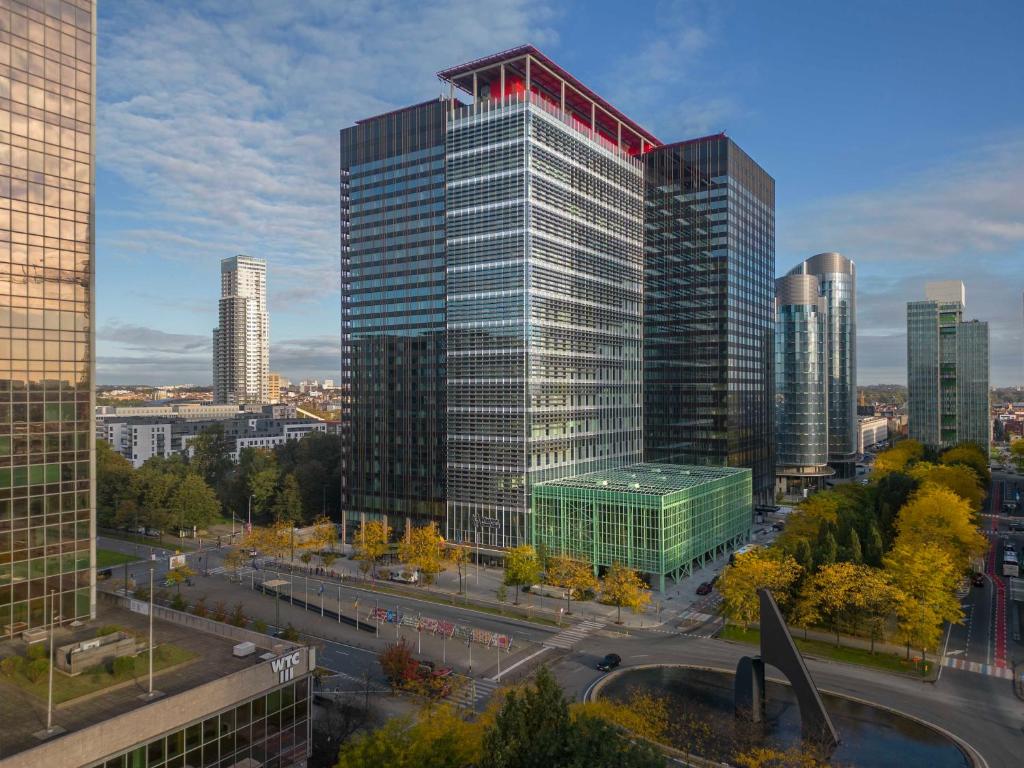
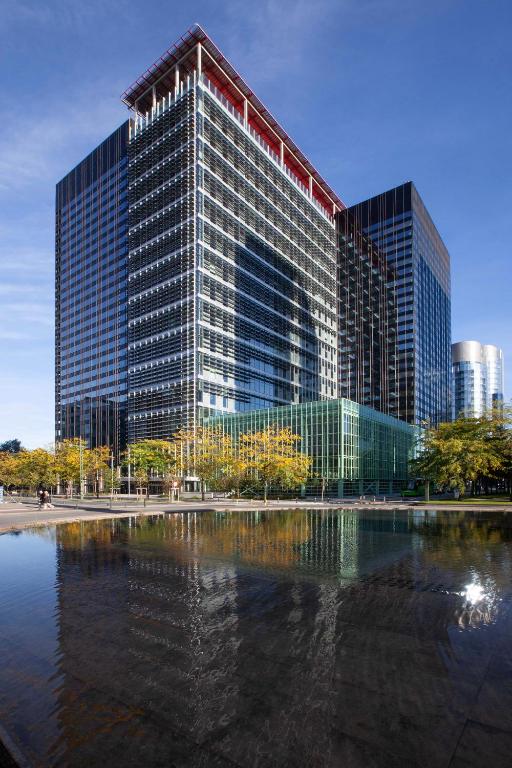
Few hotels have reshaped a neighbourhood as dramatically as The Standard Brussels. Occupying the former World Trade Center within the ambitious ZIN redevelopment, the hotel has transformed what was once an office district into one of Brussels’ newest cultural destinations. Rising 28 floors above the Northern Quarter, it brings together architecture, hospitality, restaurants and public spaces in a project that feels designed as much for locals as for travellers. Rather than hiding the building’s modernist origins, The Standard embraces them, giving one of Brussels’ most recognisable towers an entirely new personality.
Brutalism, Softened
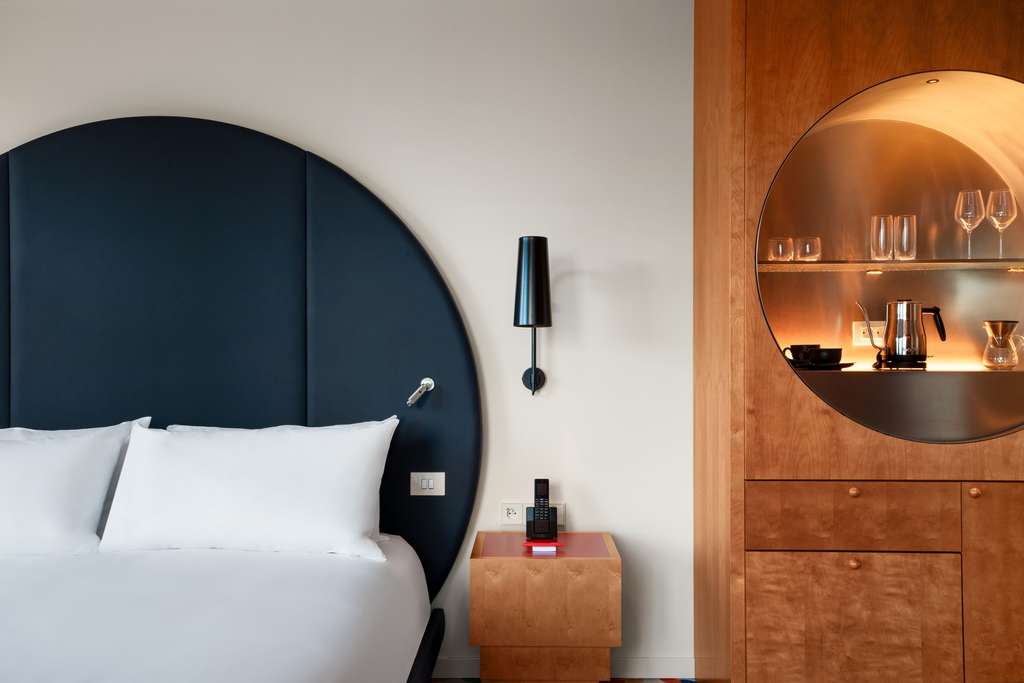
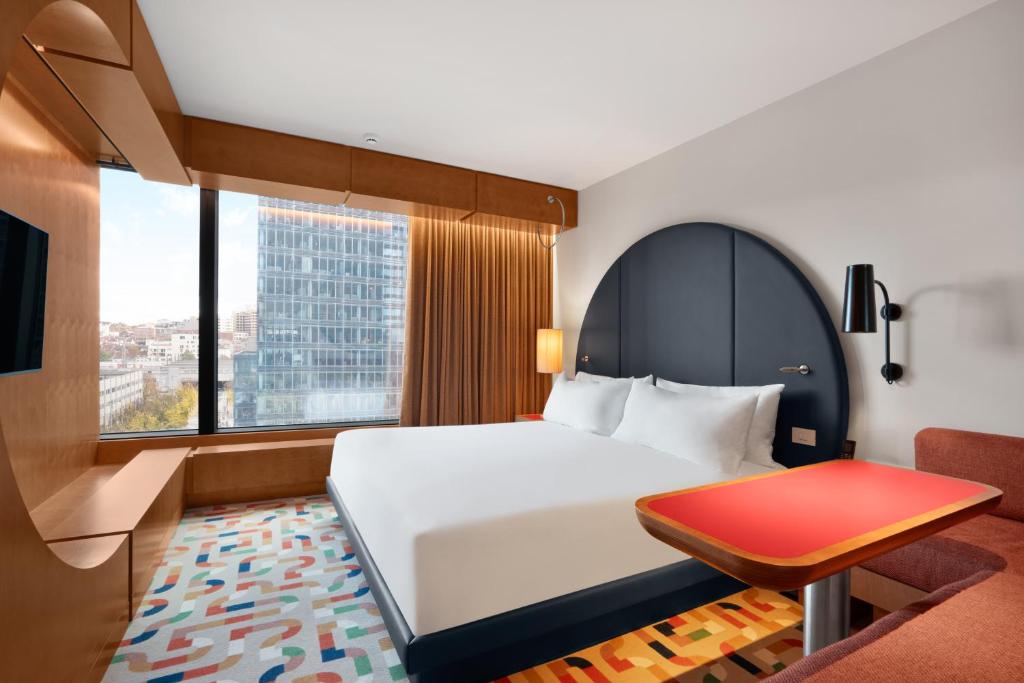
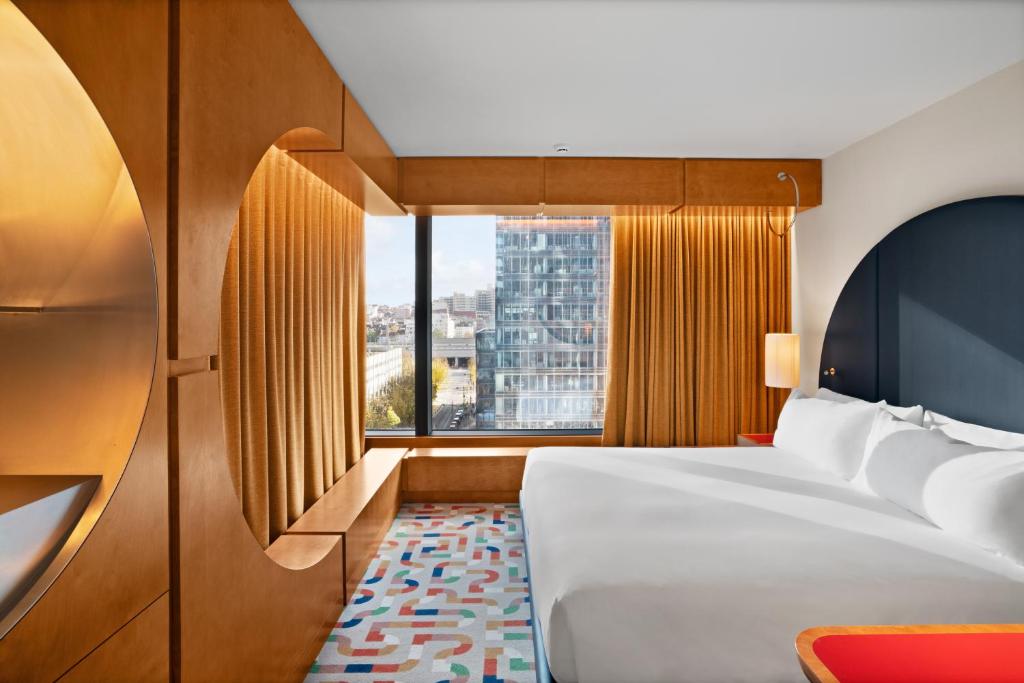
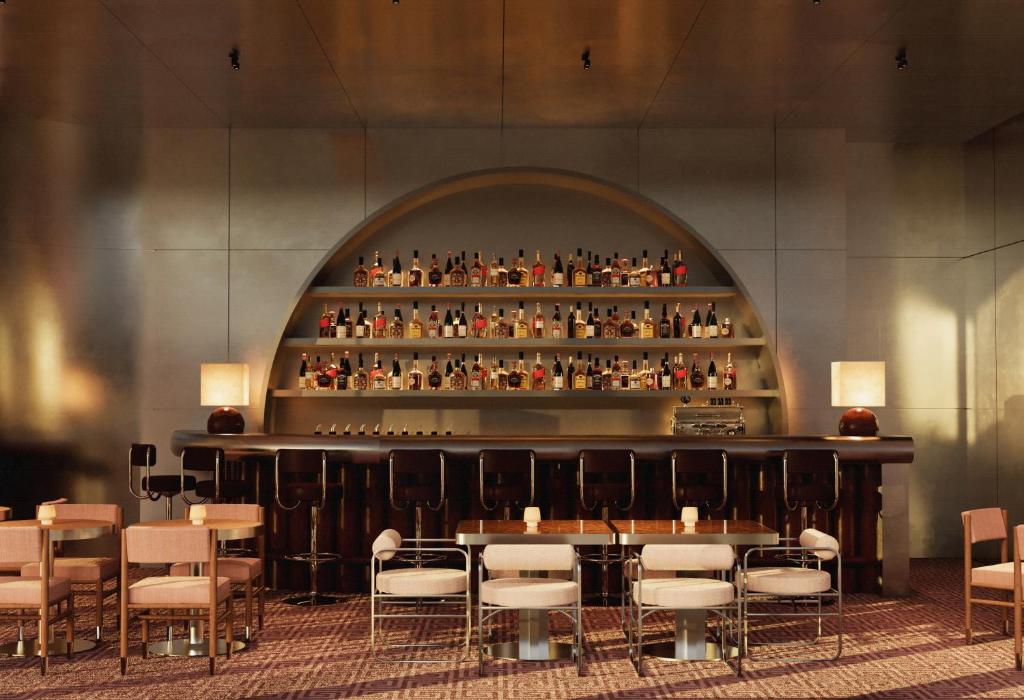
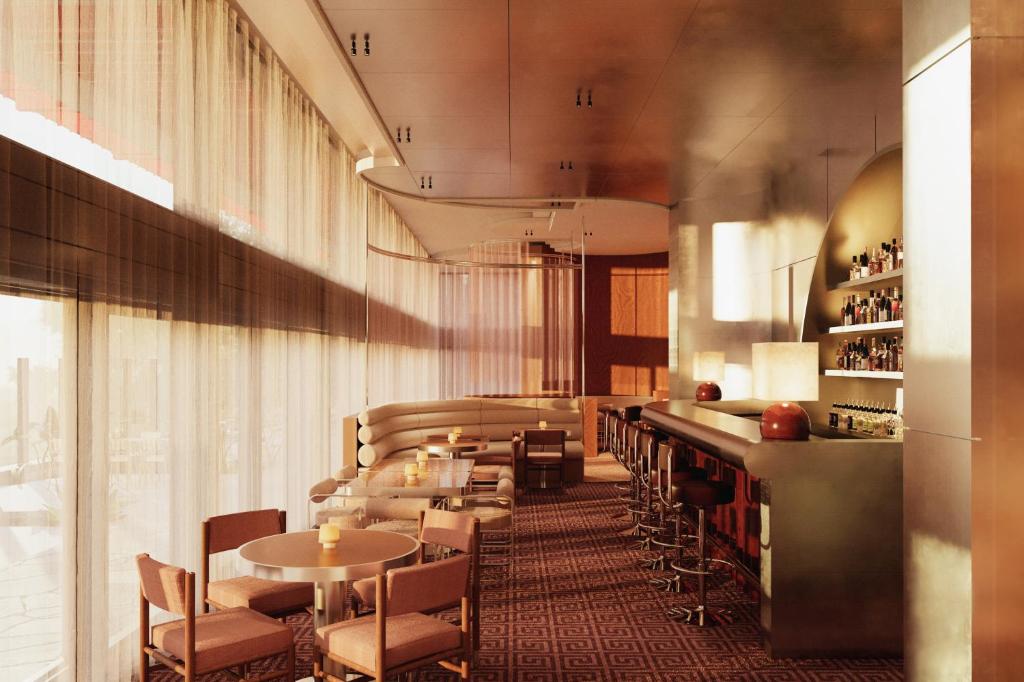
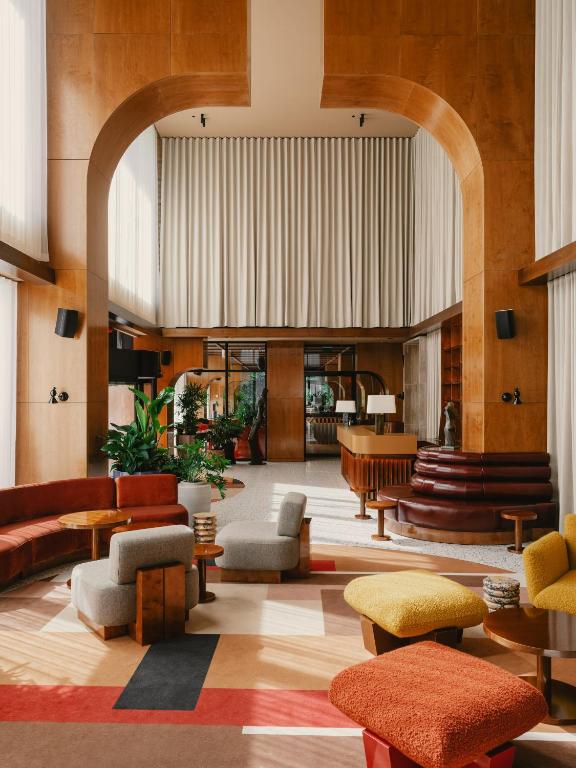
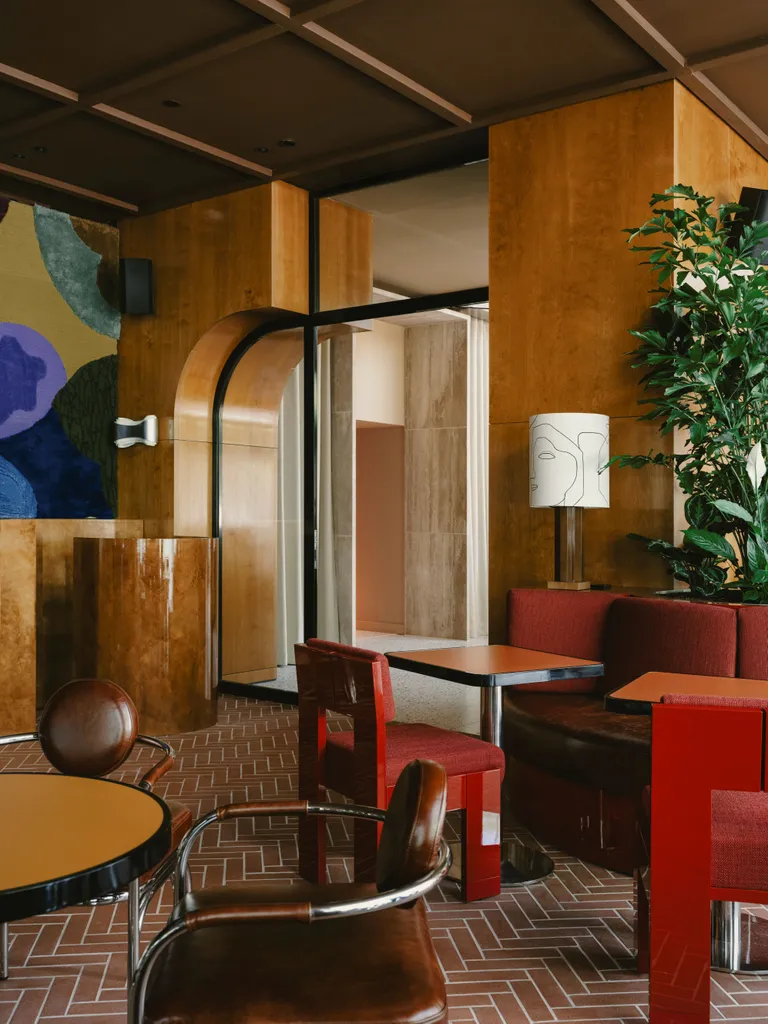
The architecture makes an immediate impression. The original concrete tower remains unmistakably Brutalist, but inside, Belgian designer Bernard Dubois, working alongside Verena Haller and The Standard’s creative team, has created interiors that feel unexpectedly warm, playful and inviting. Sweeping arches, curved timber walls, sculptural furniture and rich wood finishes soften the building’s monumental scale. Thick curtains, circular motifs, lacquered tables and custom carpets inspired by colourful European car interiors from the 1980s introduce layers of humour and nostalgia without becoming retro. Throughout the hotel, rigorous architecture is balanced by moments of surprise.
Rooms Above the City
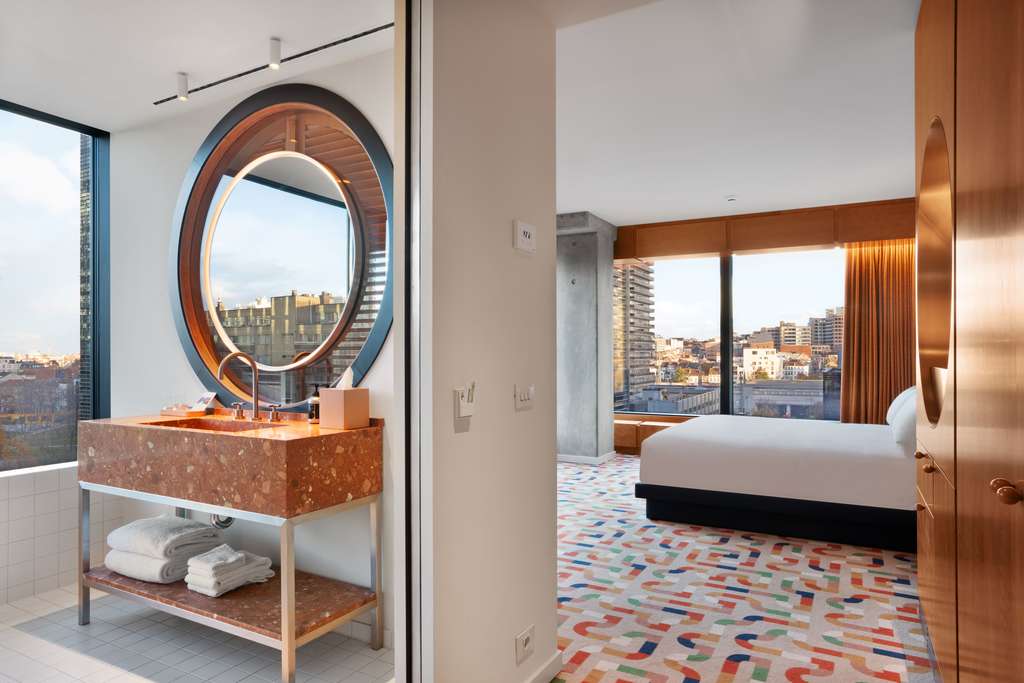
All 200 guestrooms begin on the sixth floor, ensuring uninterrupted views across Brussels. The interiors continue the hotel’s architectural language with rounded forms, bespoke furniture, rich timber panelling and carefully considered proportions. Large windows turn the city itself into the main attraction, while muted palettes allow the architecture and changing light to take centre stage. Corner Junior Suites are among the highlights, offering panoramic views across the rooftops of Brussels towards the Grand Place. The beautifully tiled bathrooms continue the sense of understated luxury, while some rooms deliberately minimise technology, encouraging guests to engage with the city rather than a television screen. For longer stays, spacious residential-style suites on the upper floors add kitchenettes and living areas, making The Standard equally appealing for creative professionals and extended city visits.
A Hotel That Lives Beyond Check-in
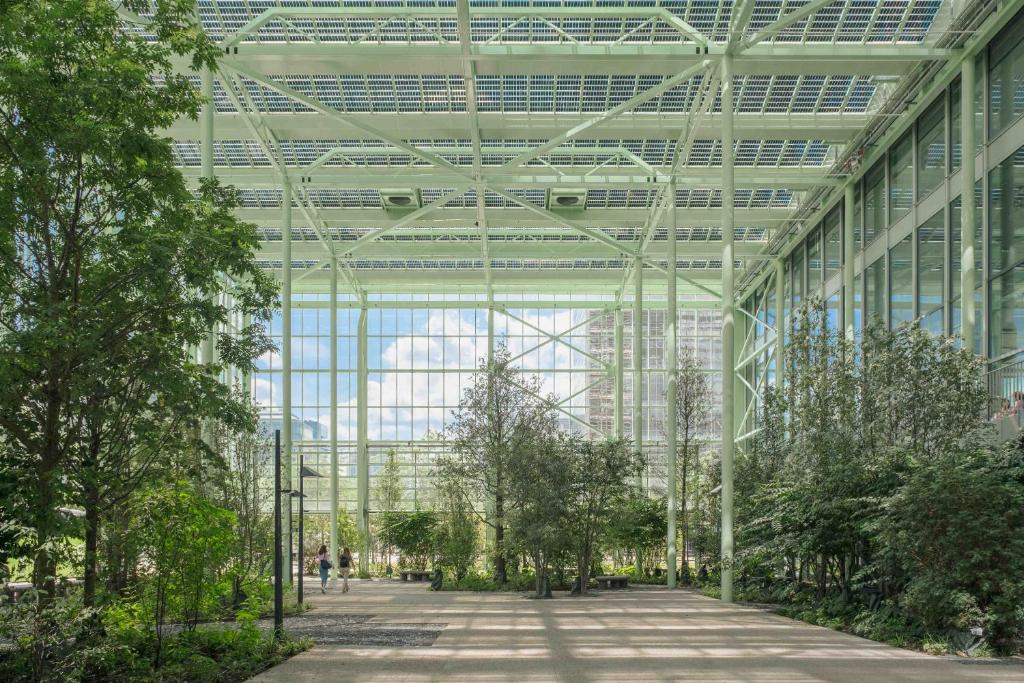
Like every Standard hotel, the public spaces are as important as the guestrooms. Double Standard combines Belgian classics with American comfort food in a lively all-day brasserie, while the adjacent greenhouse garden introduces greenery into the dense urban surroundings. Throughout the day the space shifts naturally from café to workspace, from lunch destination to evening bar. On the 29th floor, Lila29 offers one of Brussels’ finest rooftop experiences. Inspired by Iberian cuisine, the restaurant pairs panoramic 360-degree city views with intimate dining spaces, curved banquettes and softly filtered light behind translucent salmon-coloured curtains. It feels glamorous without trying too hard.
Bringing New Energy to the Northern Quarter
The Standard is helping redefine one of Brussels’ most overlooked districts. The Northern Quarter, once characterised by office towers that emptied after business hours, is rapidly evolving into a mixed neighbourhood of culture, restaurants and creative businesses. Tour & Taxis, Botanique and the Canal District all sit within easy reach, while the historic city centre remains comfortably walkable. The hotel acts as both destination and catalyst, attracting locals alongside international guests and ensuring the building remains active long after the office day ends.
Why It Works
The Standard Brussels succeeds because it never treats Brutalism as something to soften or apologise for. Instead, it celebrates the building’s monumental architecture while introducing warmth, humour and humanity through thoughtful design. Bernard Dubois’ interiors, outstanding public spaces and genuinely social atmosphere create a hotel that feels unmistakably Belgian while remaining true to The Standard’s playful identity. For travellers looking beyond the postcard version of Brussels, this is one of the city’s most exciting new places to stay.