Torel Quinta da Vacaria | Peso da Régua, Portugal
Centuries of wine-growing heritage meet contemporary design on the terraced slopes of the Douro
Why DNA Hotels Loves It
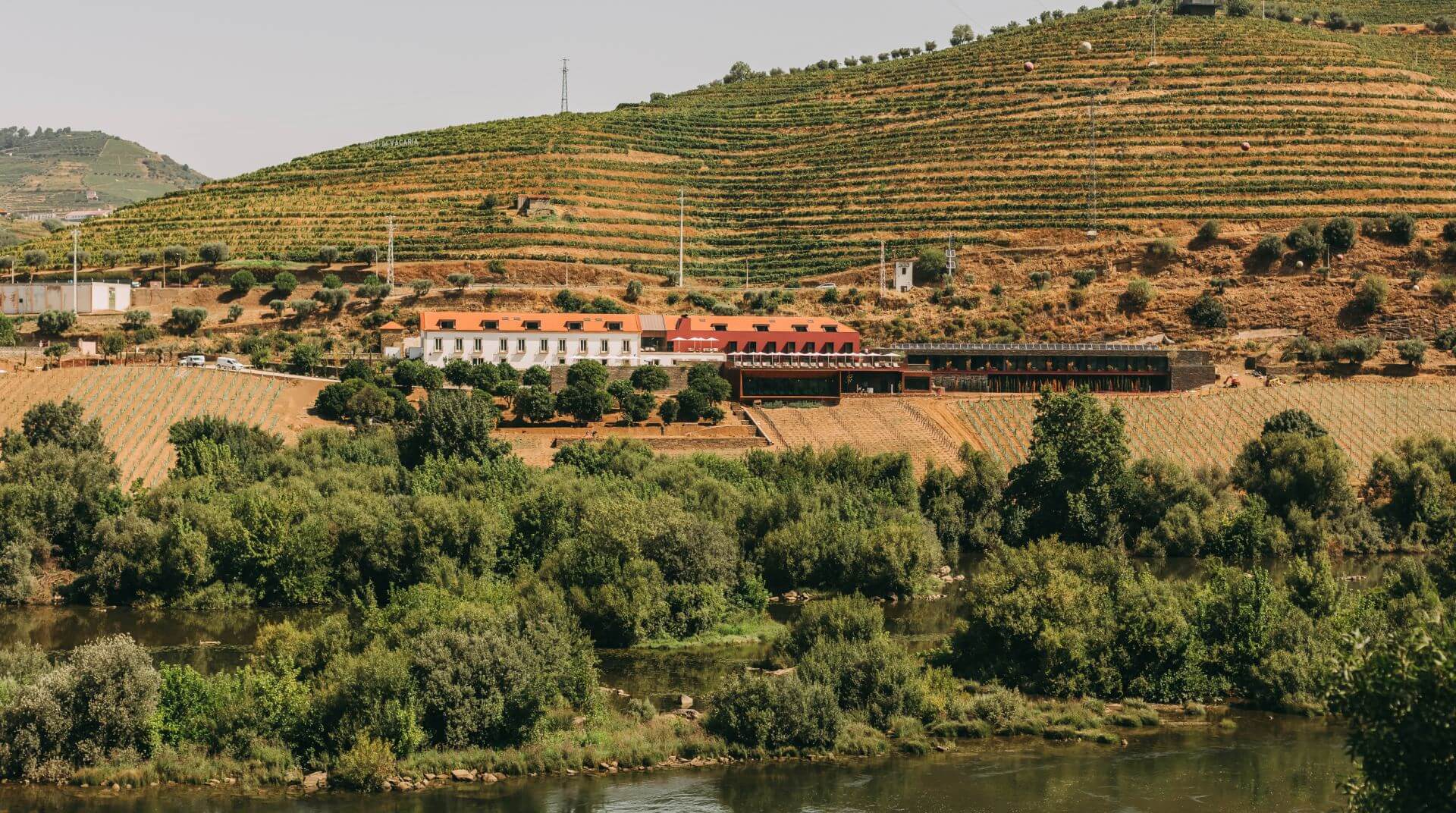
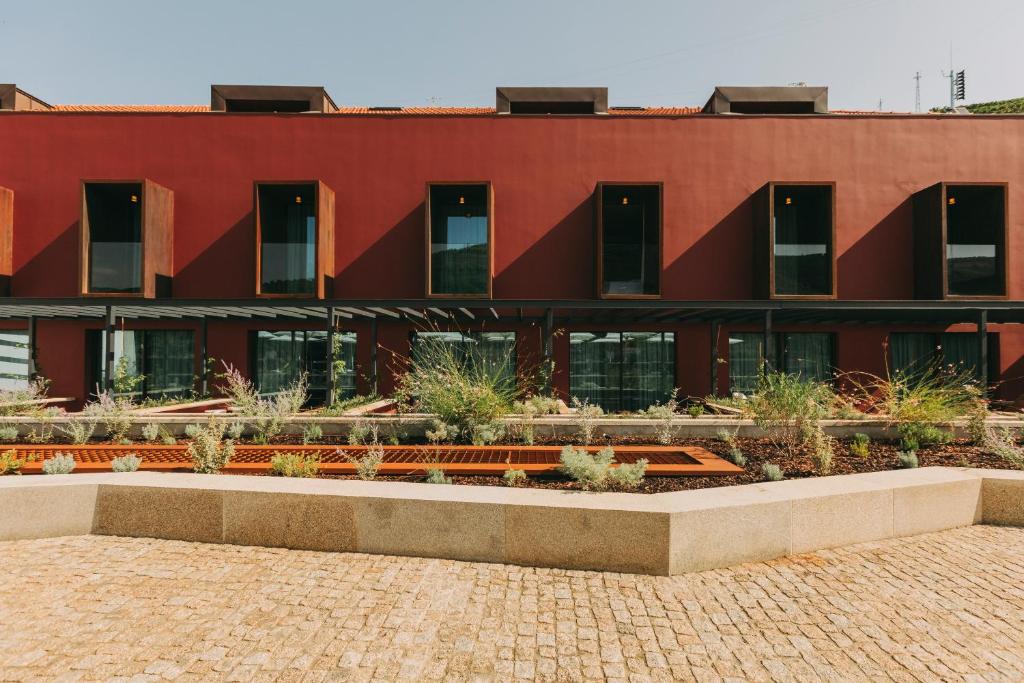
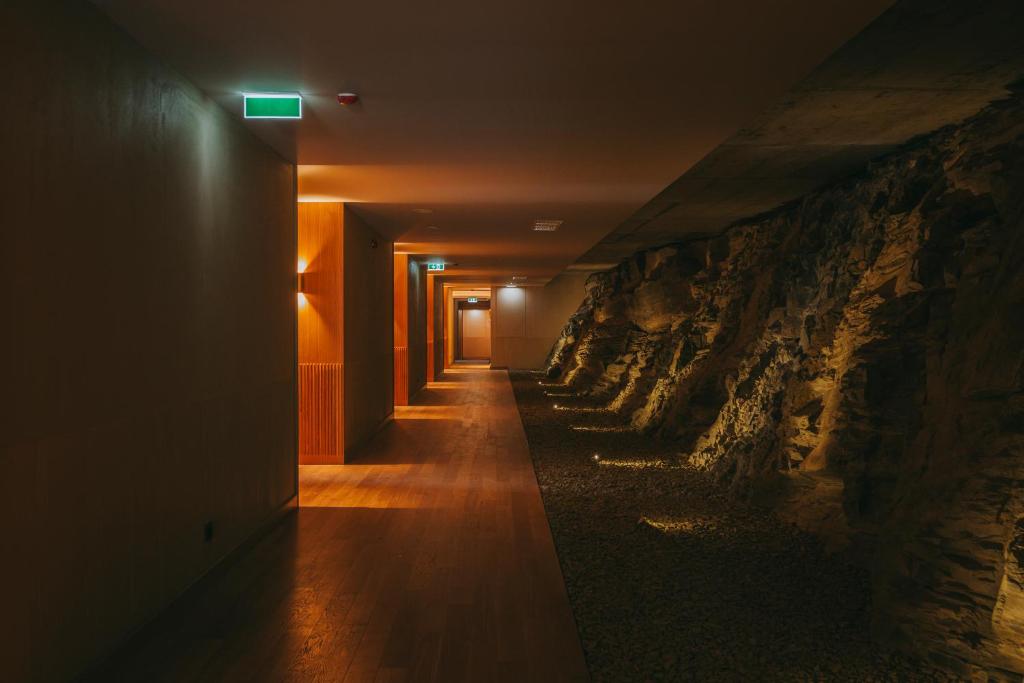
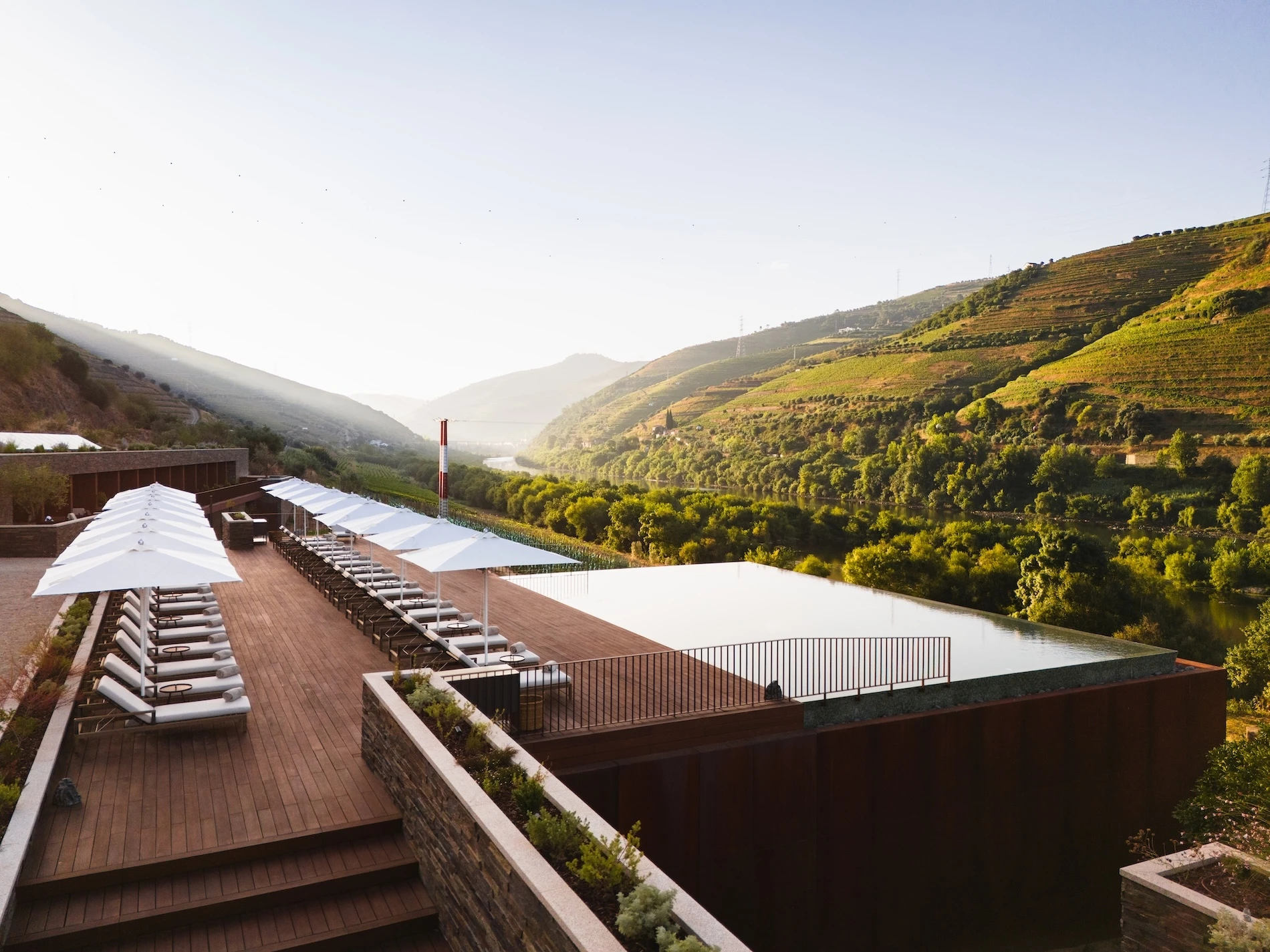
● A historic wine estate sensitively transformed by architect Luís Miguel Oliveira, with new architecture embedded into the hillside rather than competing with the Douro landscape.
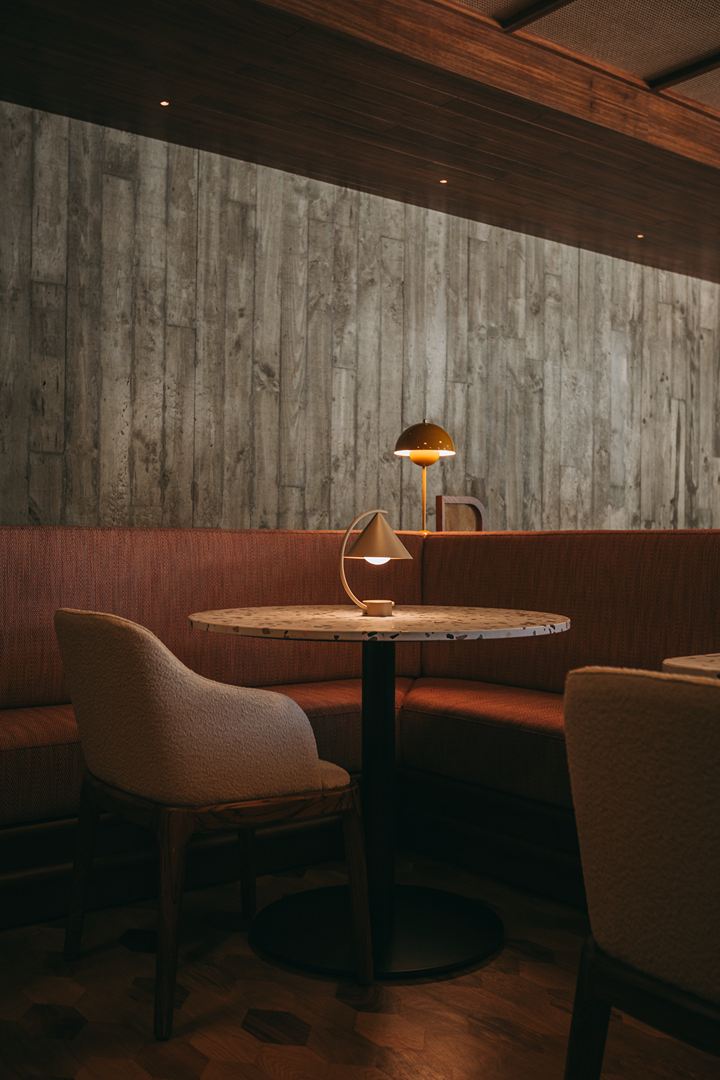
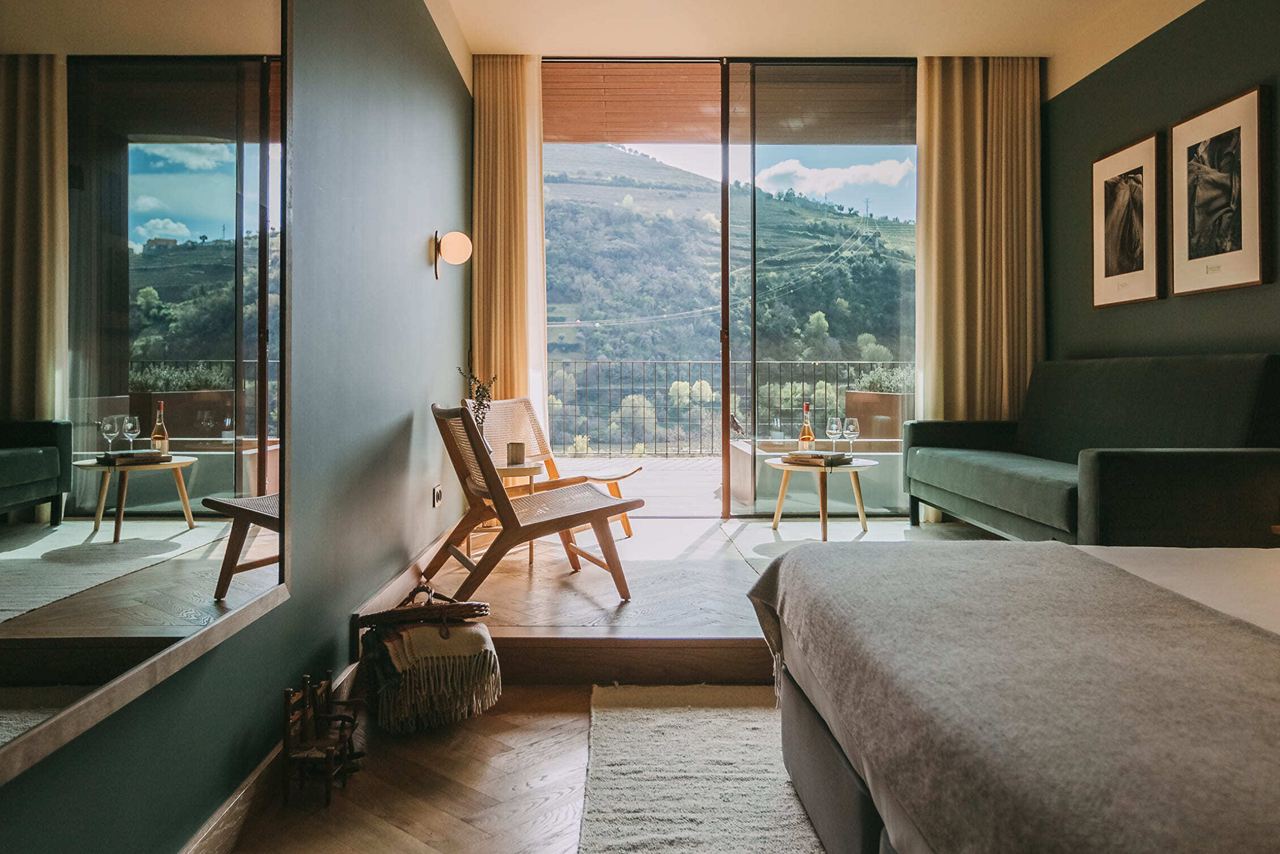
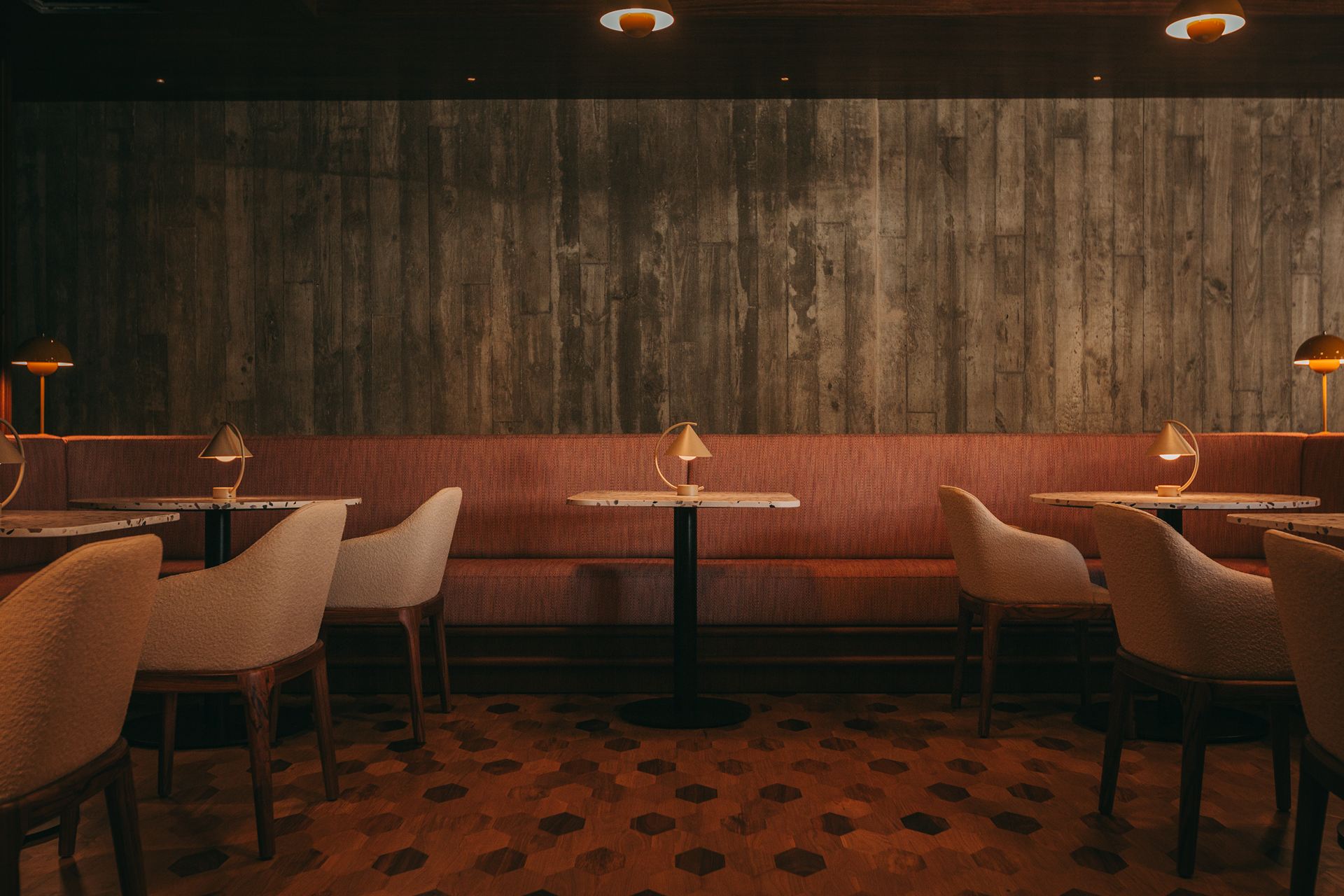
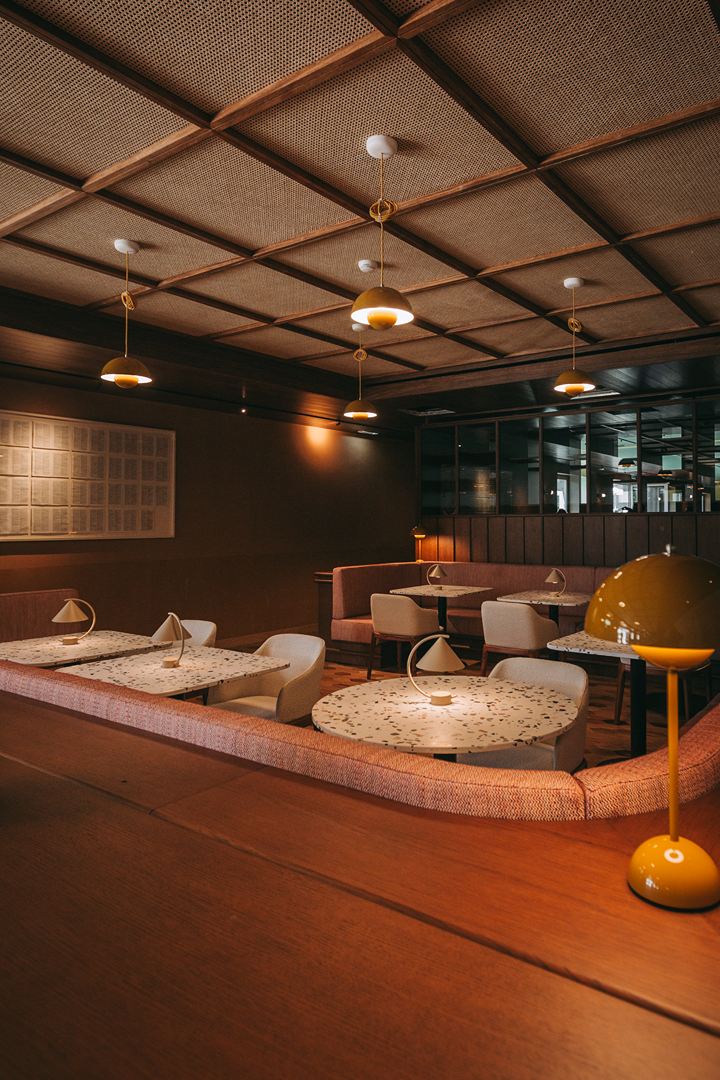
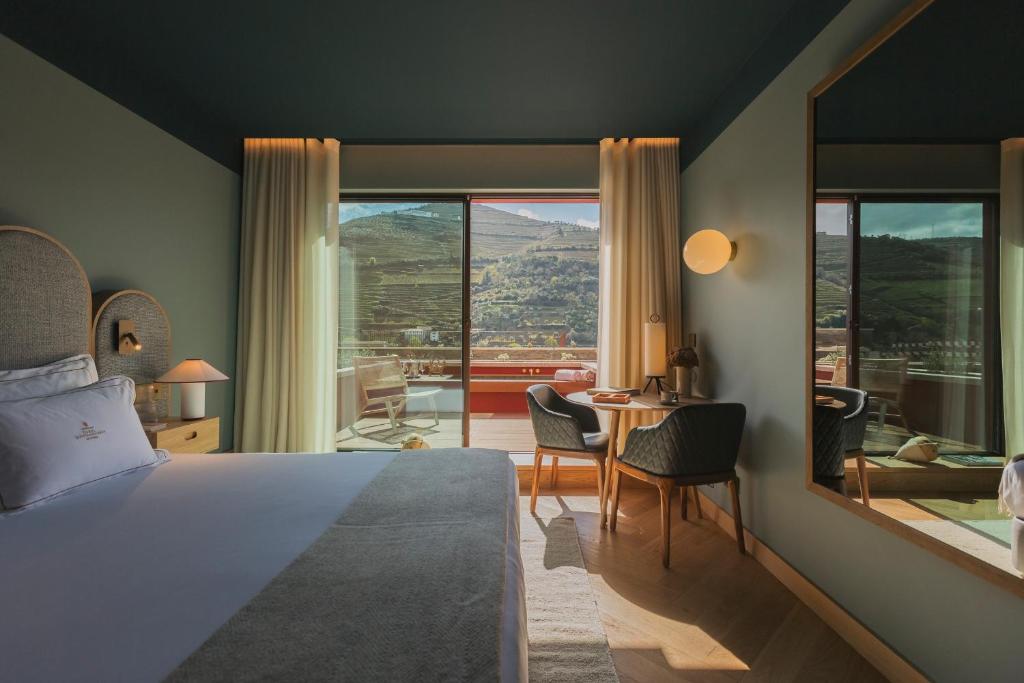
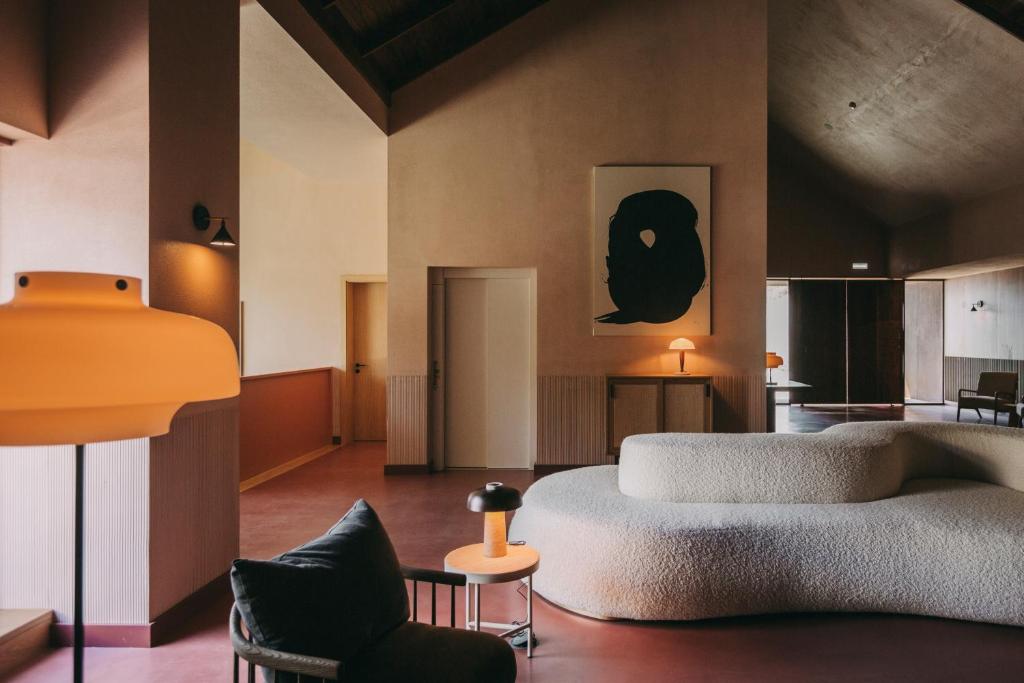
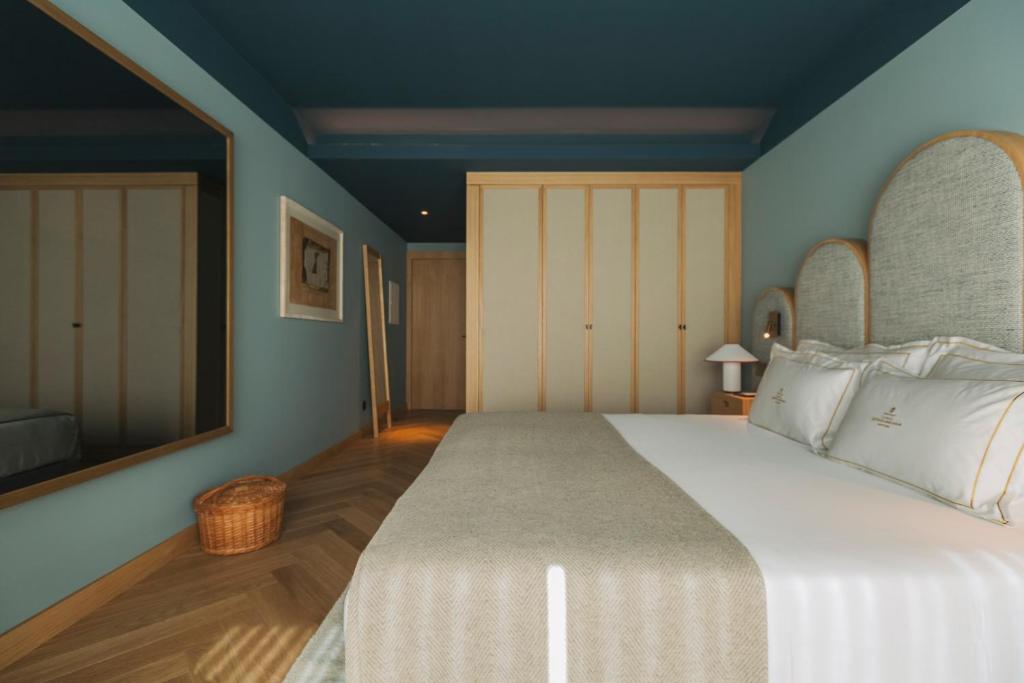
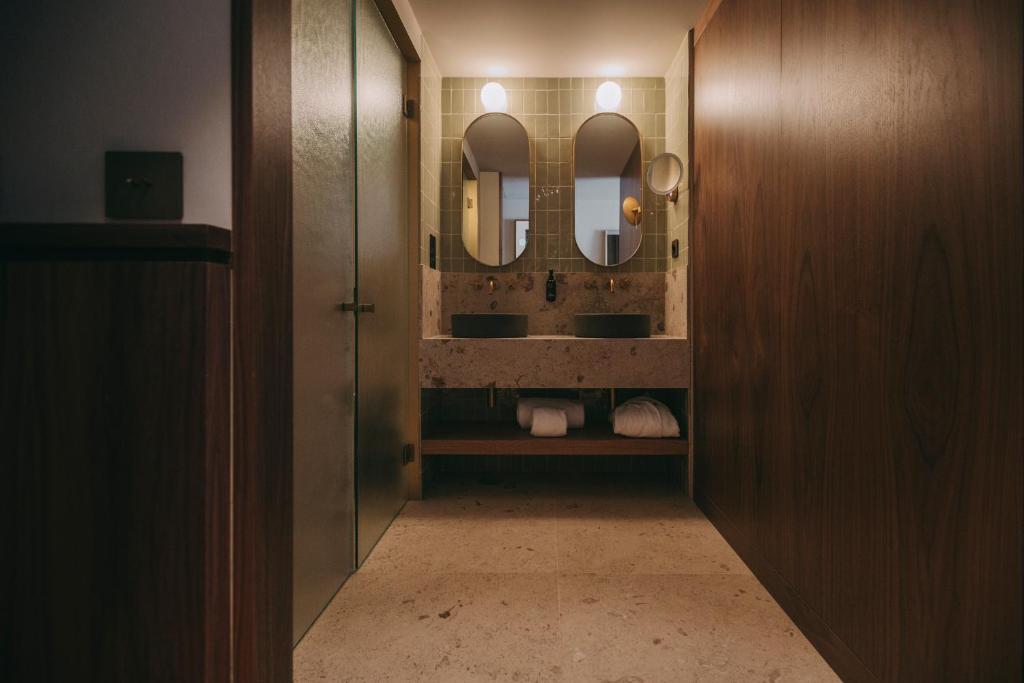
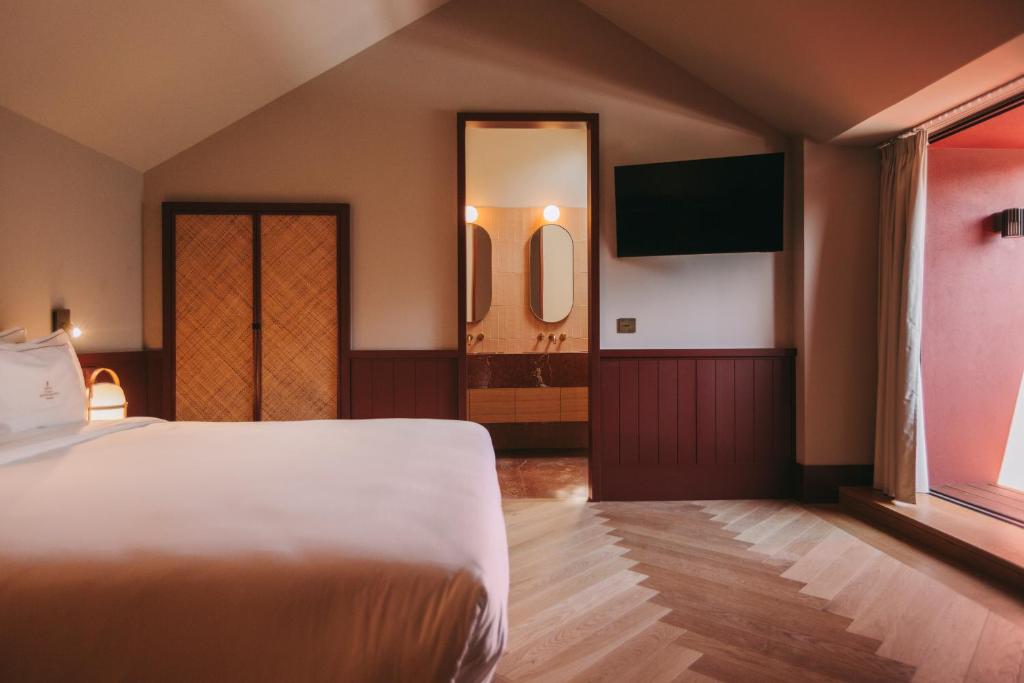
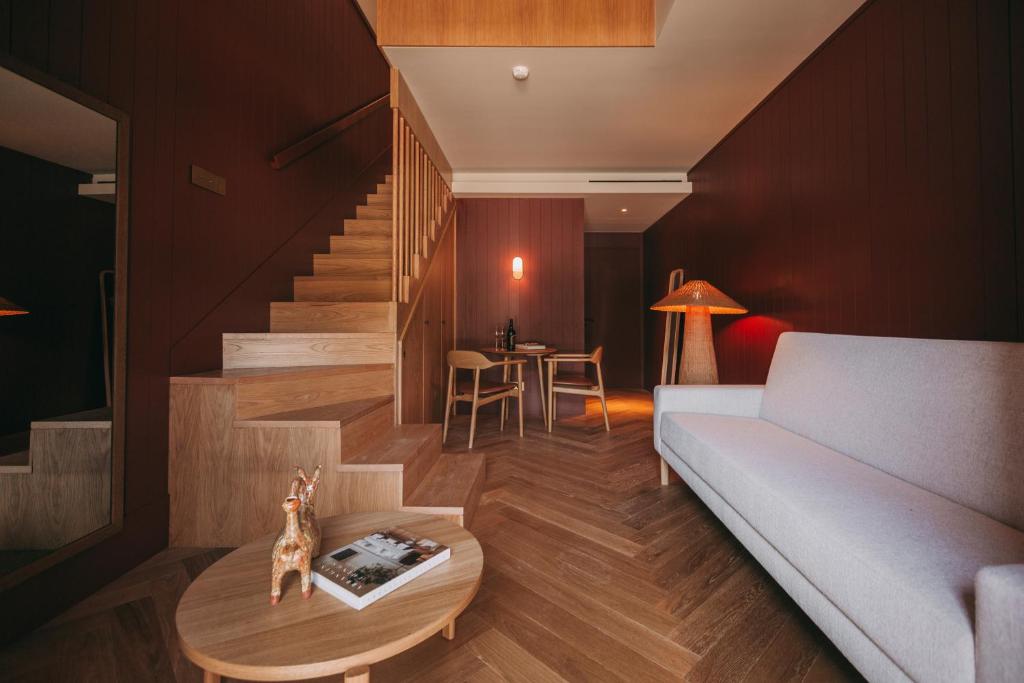
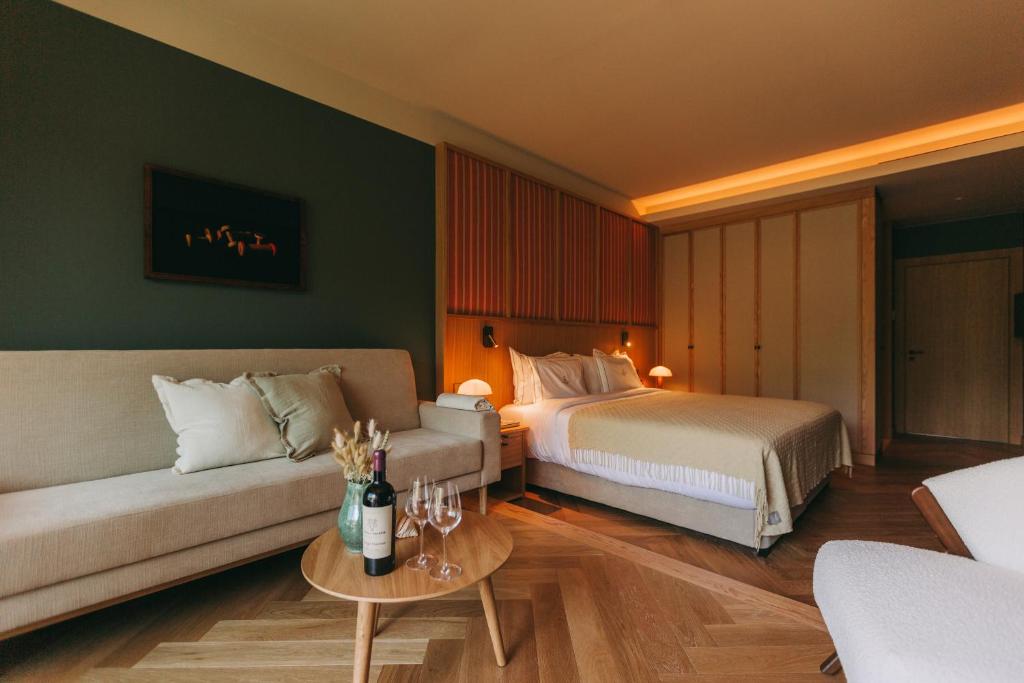
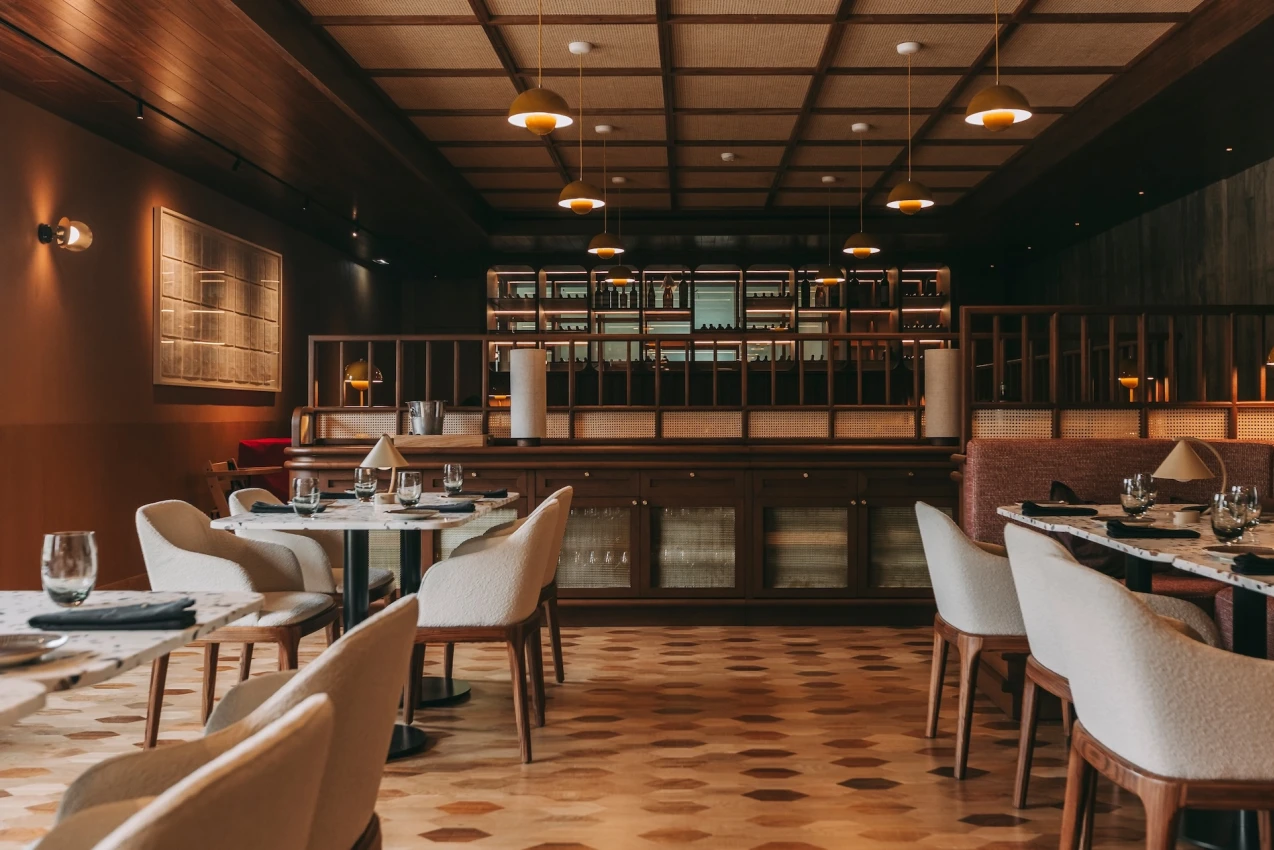
● Joana Astolfi’s interiors translate the valley through oak, walnut, woven straw, tactile fabrics, and bespoke pieces, while oversized windows keep vineyards and river firmly in focus.
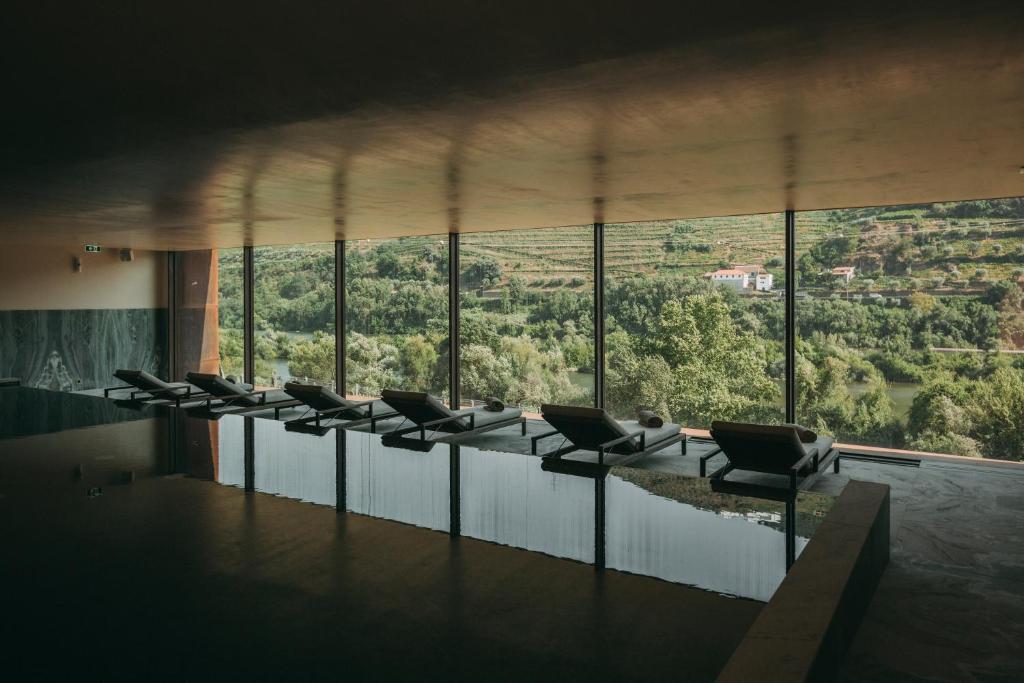
● Two restaurants, including Schistó by chef Vítor Matos, and the expansive Calla Silent Spa make this much more than a beautiful vineyard hotel.
A Quinta Reimagined
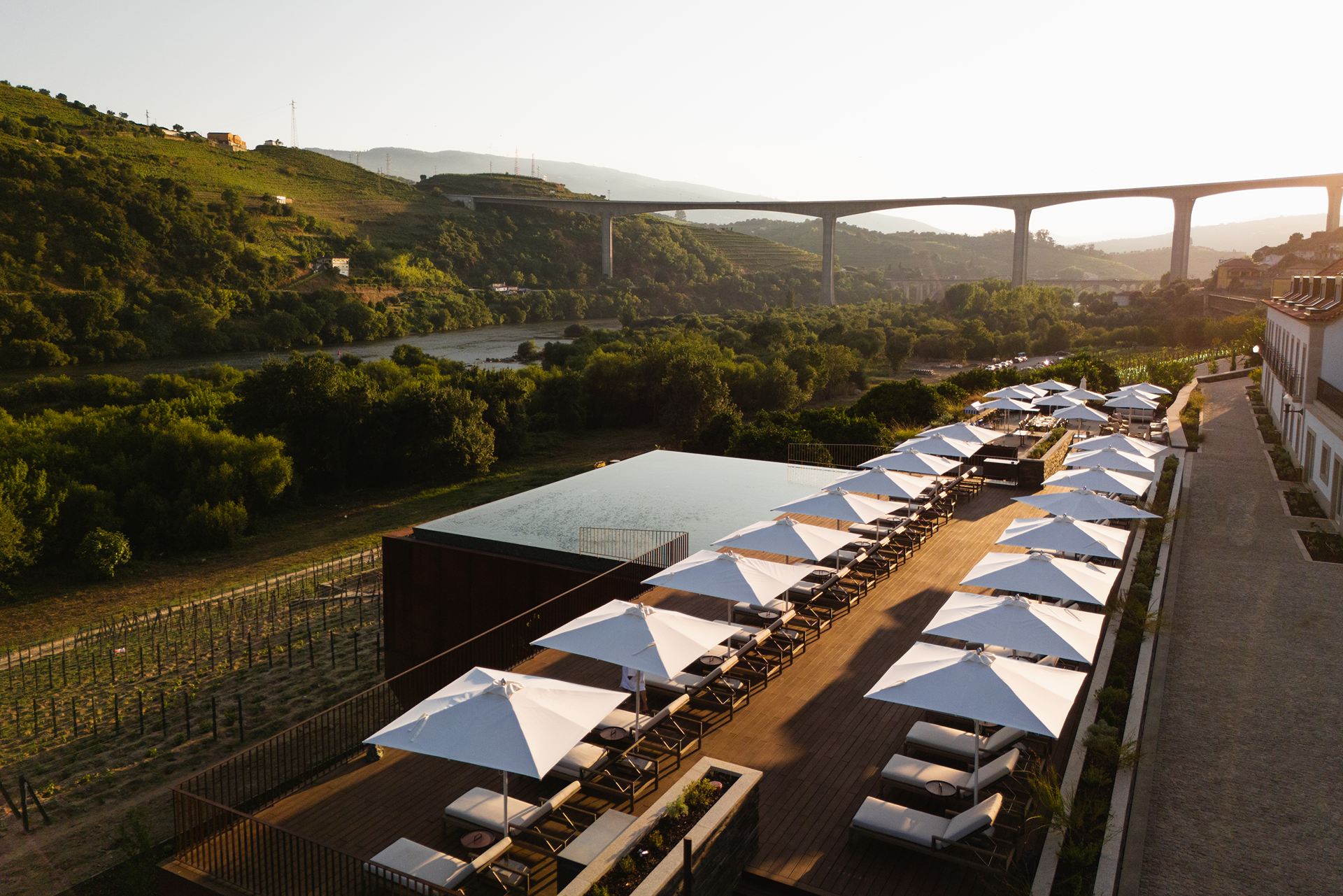
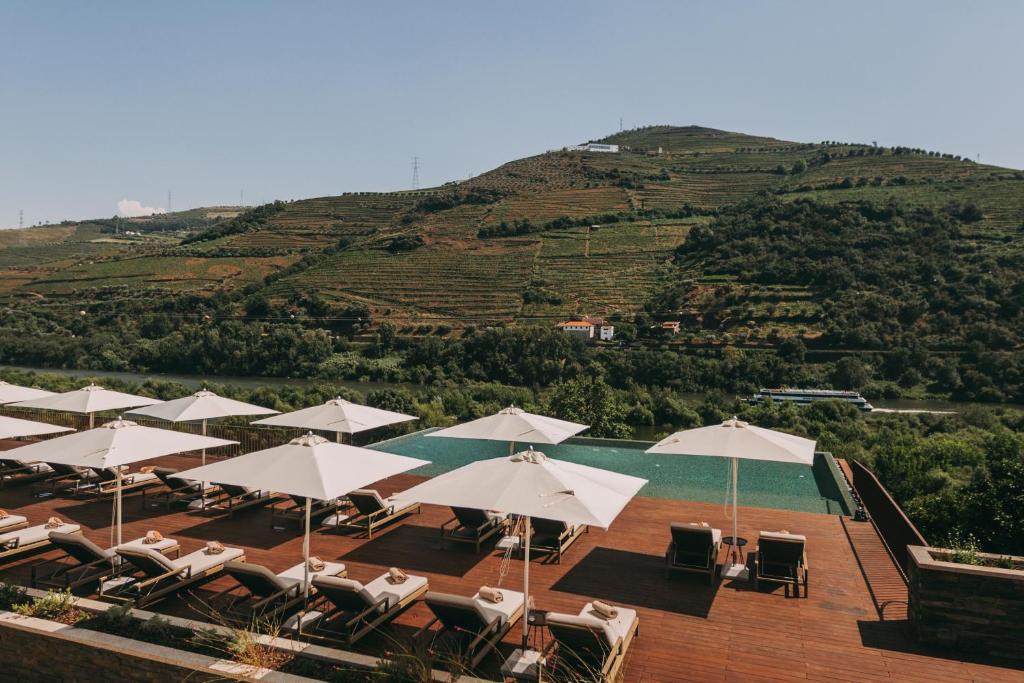
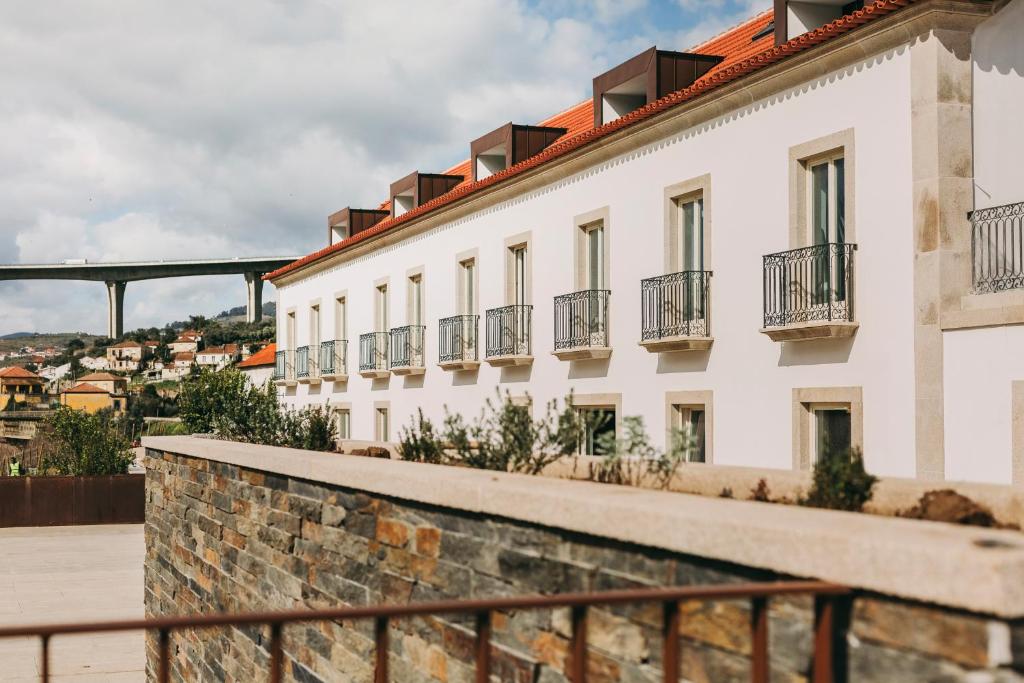
In the Douro Valley, landscape is architecture. Vineyard terraces cut precise lines into impossibly steep hillsides, old quintas cling to the slopes, and the river winds quietly through a landscape shaped by centuries of wine production. Torel Quinta da Vacaria belongs naturally to this world. Set on a historic wine estate, the hotel preserves the character of the original buildings while introducing a distinctly contemporary layer. Architect Luís Miguel Oliveira approached the transformation with restraint, allowing old stone, traditional volumes, and the surrounding vineyards to remain dominant. The most significant new intervention is partially buried within the hillside. Rather than interrupting the historic silhouette, it disappears into the terrain.
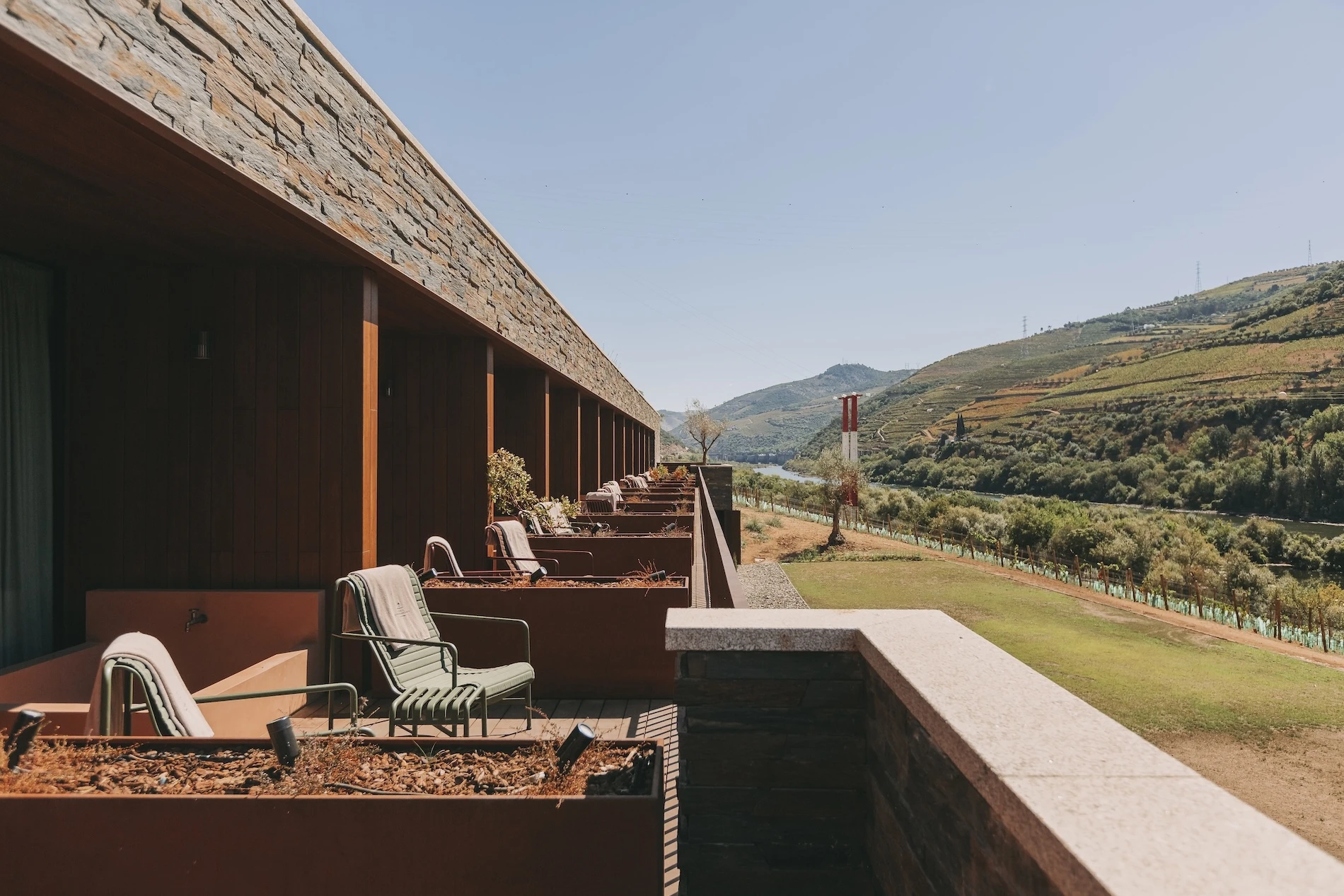
Schist, Steel, Glass
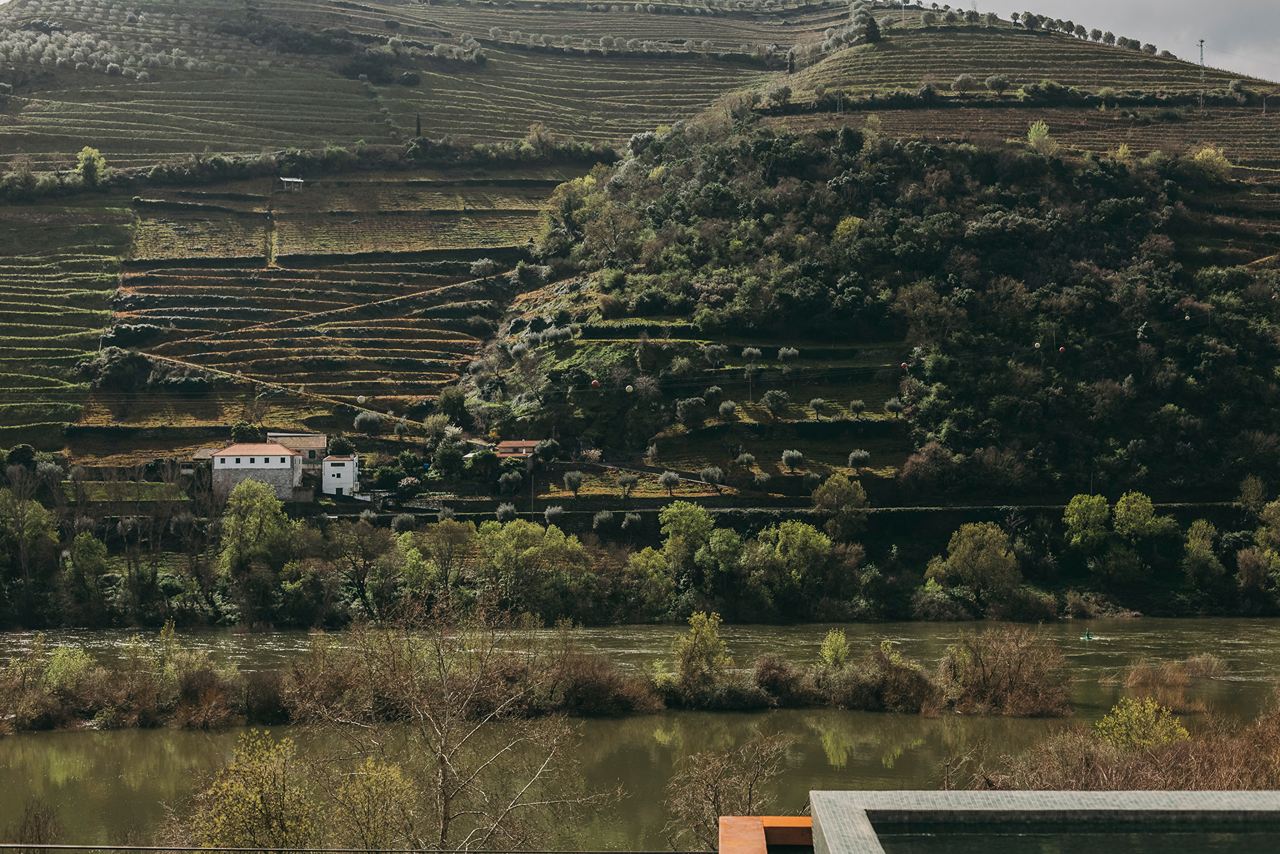
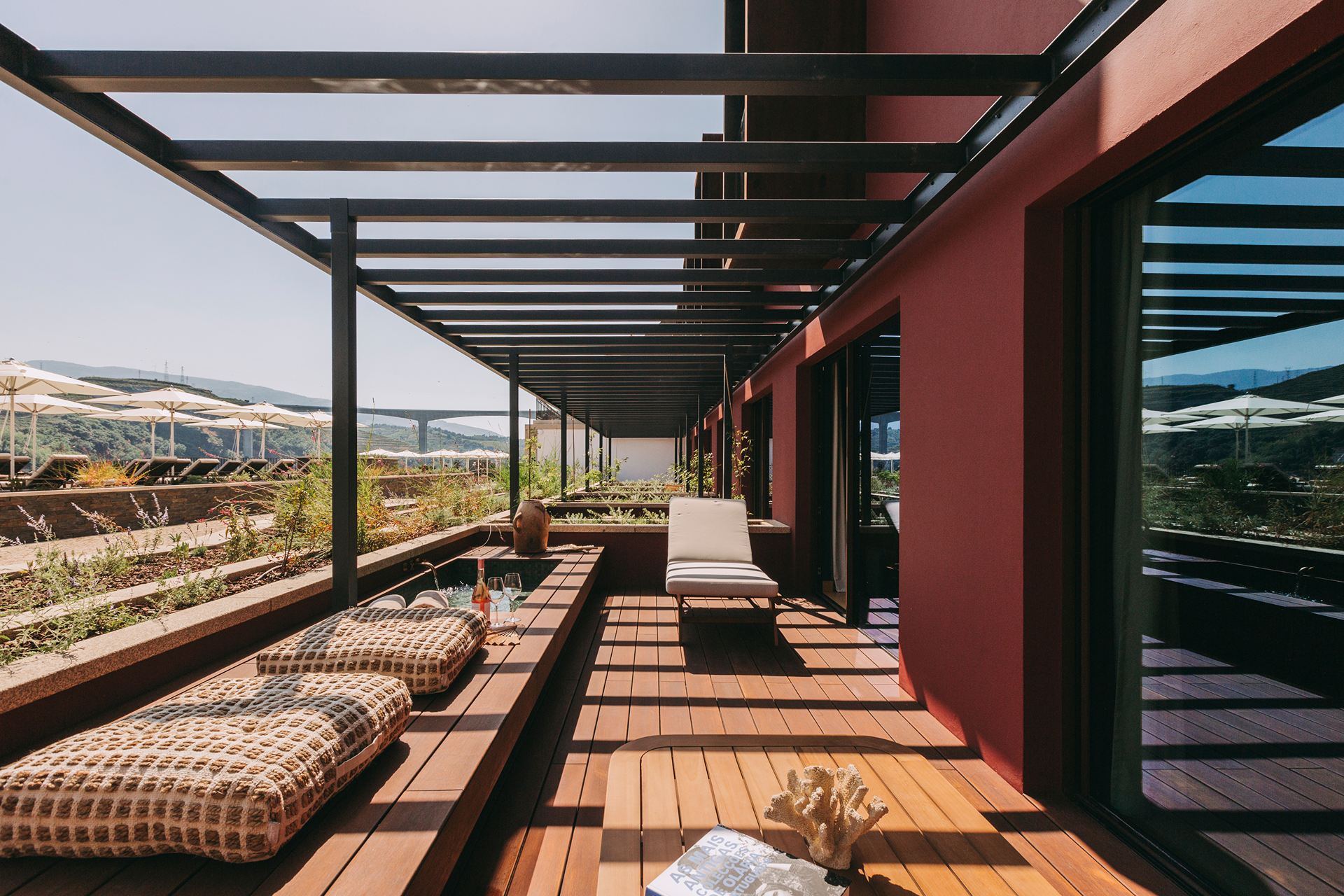
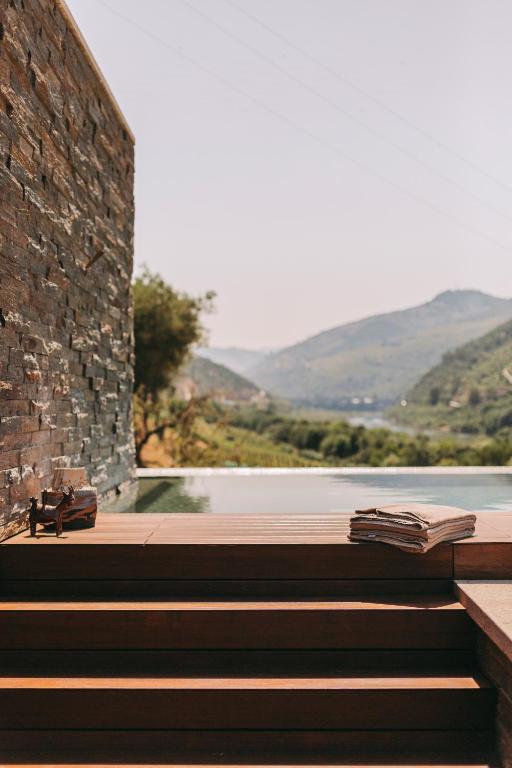
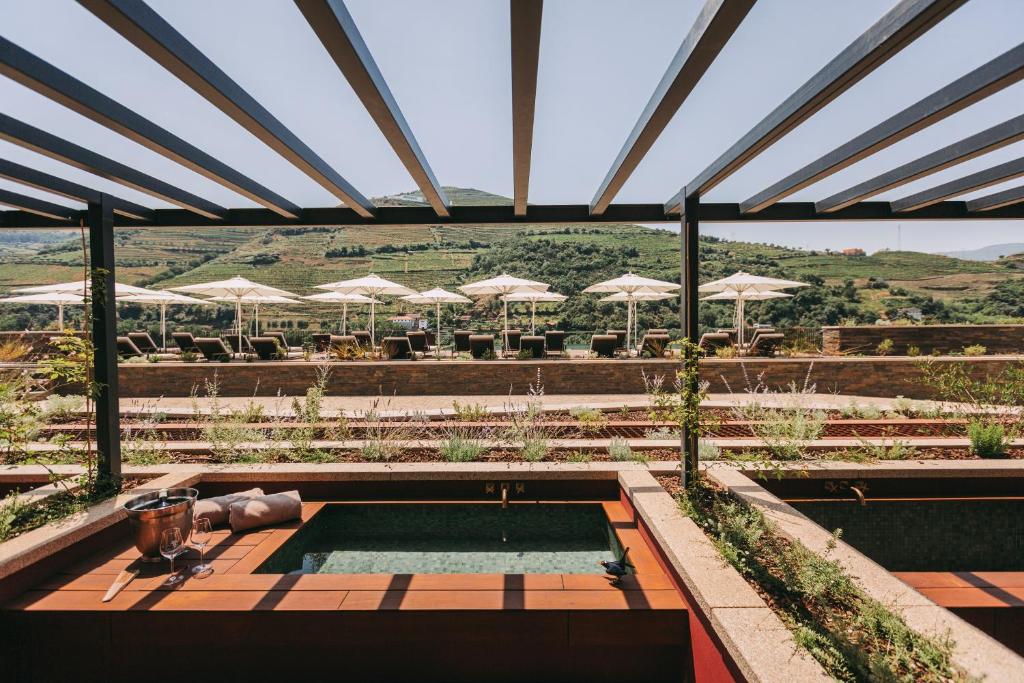
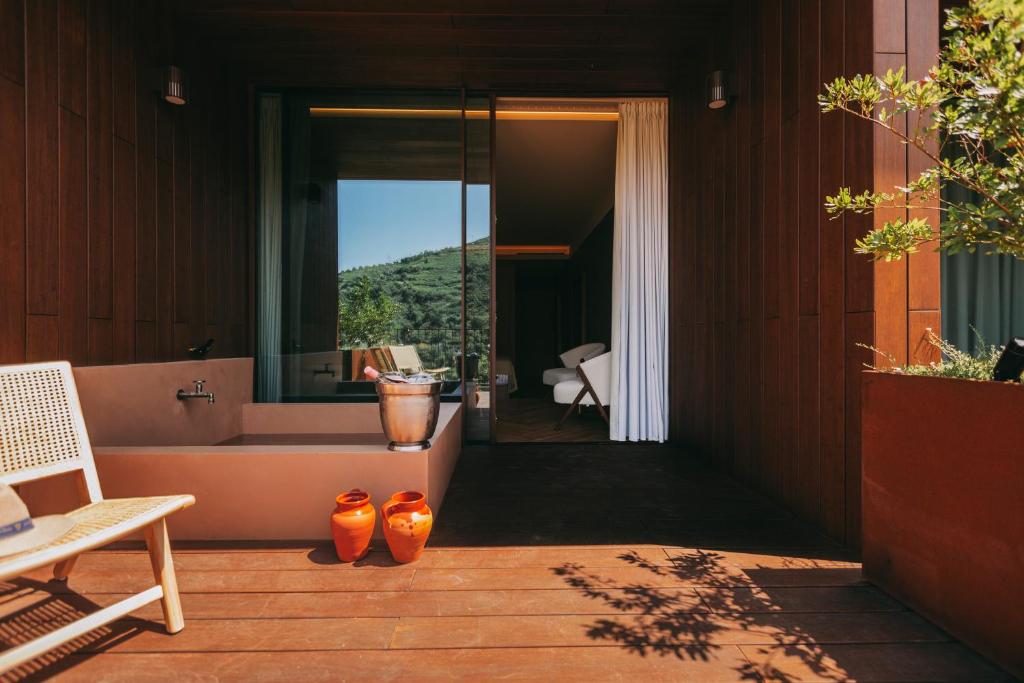
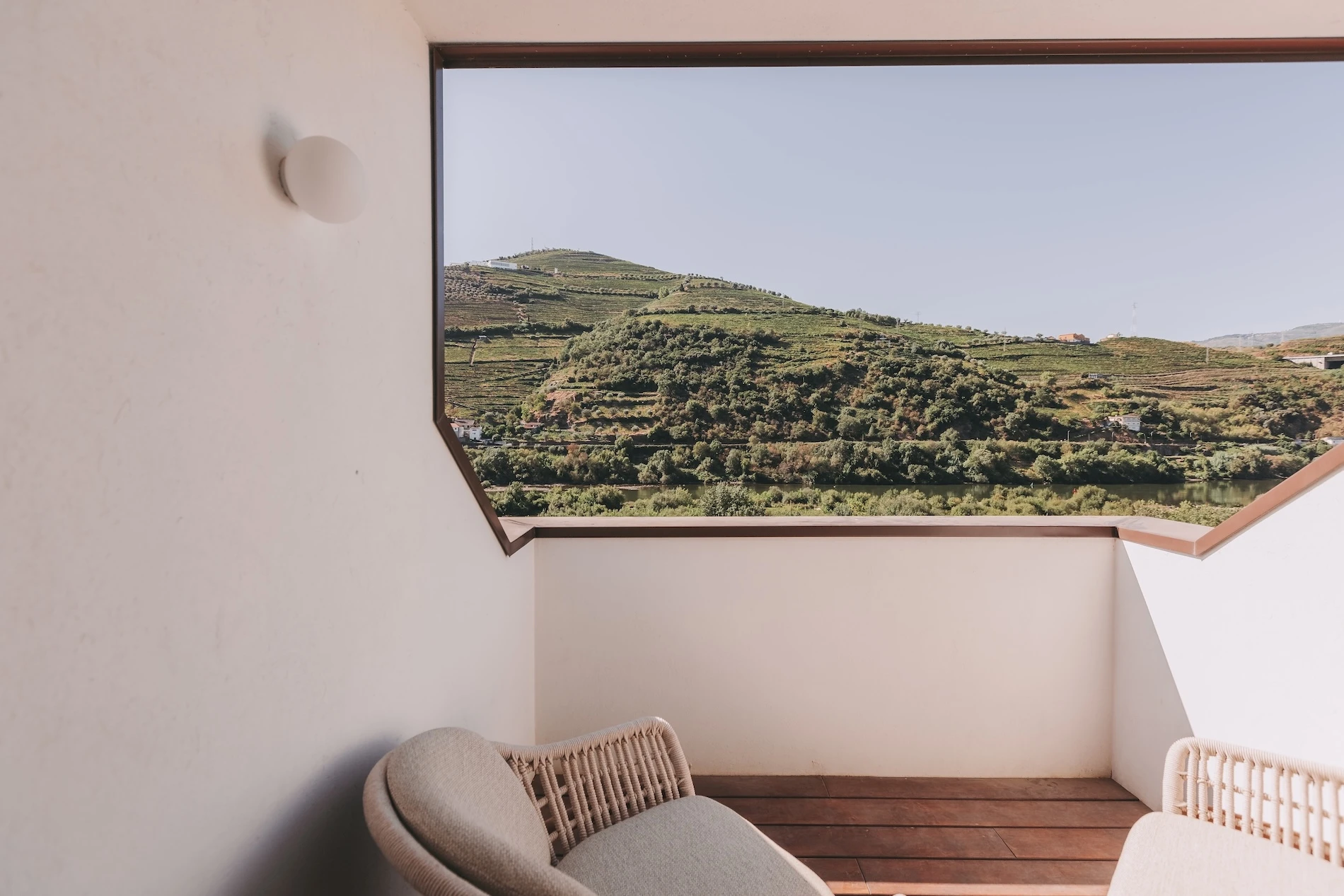
The architecture draws directly from the Douro. Existing stone walls meet corten steel, timber, and generous expanses of glass. The contrast is deliberately clear: old architecture remains old, while contemporary additions speak their own language. It works because neither tries to imitate the other. And everywhere, openings are positioned to frame the landscape. Terraced vineyards descend towards the Douro. Hills overlap into the distance. Light shifts constantly across the valley. The view is not decoration here. It is the central design element.
Joana Astolfi and the Art of the Interior
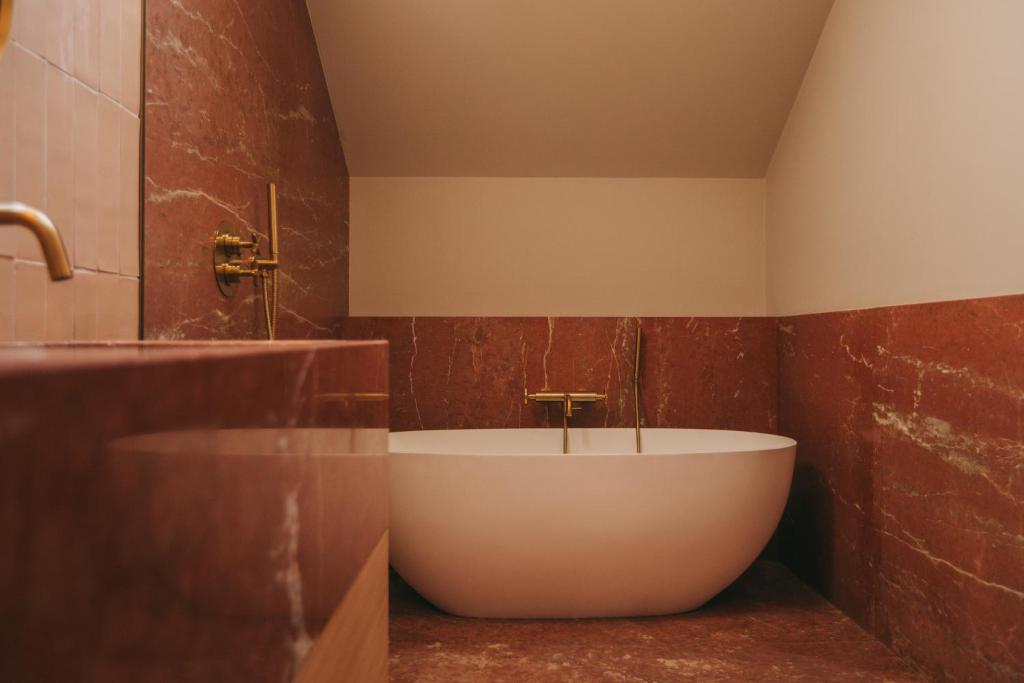
Inside, designer Joana Astolfi avoids the predictable vocabulary of the traditional wine-country hotel. Instead, the Douro is translated through materials. Oak and walnut, woven straw, tactile textiles, earthy colours, and bespoke furniture bring warmth to the restrained architecture. References to local craftsmanship appear without turning the rooms into exercises in rustic nostalgia. Across 33 rooms and suites, large windows transform the valley into an ever-changing artwork. Morning mist. Afternoon gold. Vineyards disappearing into darkness. The interiors know when to get out of the way.
Two Ways to Taste the Douro
Food gives the estate another way to tell its story. 16Legoas is the more informal expression, drawing on regional ingredients and familiar Portuguese flavours in a relaxed setting. Schistó takes things considerably further. Led by chef Vítor Matos, the restaurant uses the Douro as the starting point for a more ambitious gastronomic experience, interpreting the region through its produce, traditions, landscape, and seasons. Wine, inevitably, runs through both. In one of the world’s great wine landscapes, anything else would feel strange.
Calla Silent Spa
Part of the contemporary hillside intervention houses the Calla Silent Spa. At more than 1,000 square metres, it is unusually substantial for an intimate hotel of this scale, with an indoor heated pool, sauna, hammam, treatment rooms, and spaces designed around genuine quiet. Vinotherapy provides the obvious connection with the estate, but the strongest element is architectural. Being partially embedded in the landscape gives the spa a cocoon-like quality: protected from the world outside while still connected to the rhythms of the valley.
Beyond the Quinta
The Douro is not a landscape to admire exclusively through glass. Wine and olive-oil tastings reveal the agricultural culture behind the scenery, while walking and cycling routes move through the surrounding vineyards. Boat trips introduce an entirely different perspective, looking upwards from the river towards the monumental terraces. Season brings its own rhythm. Most evocative is harvest time, when the landscape stops being merely beautiful and becomes visibly productive again.
Why It Works
Torel Quinta da Vacaria understands that the Douro already provides the drama. Luís Miguel Oliveira’s architecture therefore settles into the hillside rather than announcing itself, while Joana Astolfi’s interiors use craftsmanship and materiality to create a contemporary sense of place without resorting to wine-country clichés. Add Vítor Matos’ ambitious cooking, an exceptional spa, and one of Portugal’s most powerful landscapes, and this historic quinta becomes something much more interesting than another luxury vineyard retreat: a modern way of experiencing the Douro without losing sight of what made it extraordinary in the first place.