Ultimate Provence, La Garde-Freinet, France
An urban-minded wine estate where Humbert & Poyet bring polished modernism to the Provençal vineyard
Why DNA Hotels Loves It
● Humbert & Poyet deliberately rejected the usual rustic-winery formula, pairing raw concrete with aged oak, marble, brass and leather.
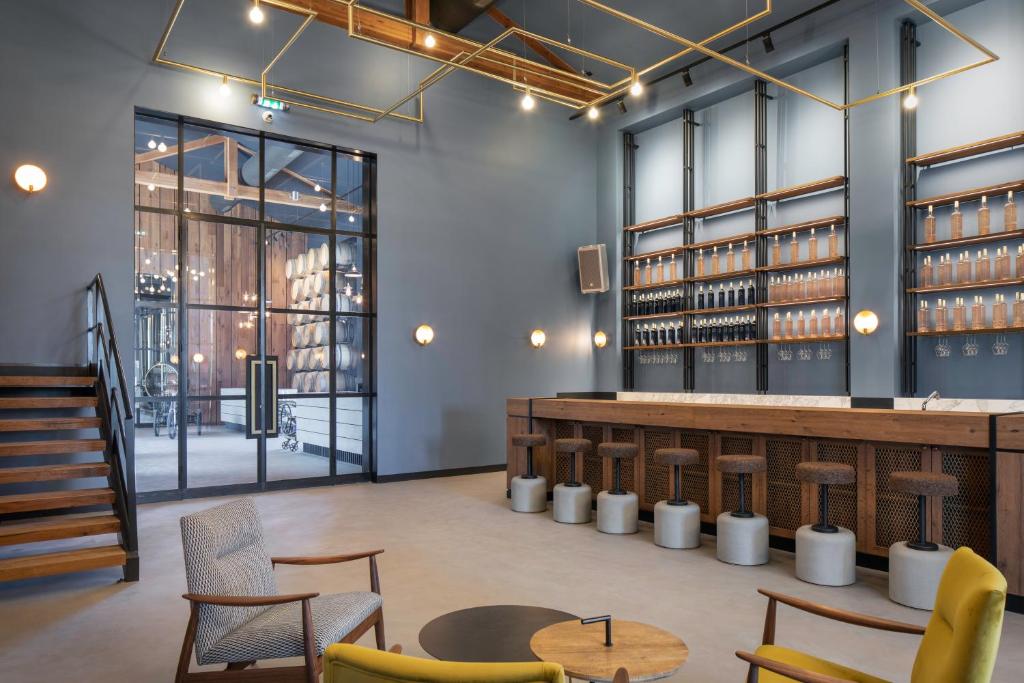
● The architecture and interiors keep wine production visible, using glazing and open sightlines to connect cellar, tasting room, restaurant and social spaces.
● Set within an organic vineyard estate, the hotel combines strong design identity with a genuine working relationship to Provence’s wine culture.
The Anti-Rustic Wine Estate
Ultimate Provence begins with a simple refusal. No faux farmhouse nostalgia. No distressed shutters. No attempt to romanticise vineyard life through predictable Provençal décor. Instead, Monaco-based Humbert & Poyet were asked to give the estate an urban sensibility. Their response was to work with contrast: industrial materials against refined finishes, saturated colour against agricultural landscape, cosmopolitan interiors against rows of vines. The hotel sits near La Garde-Freinet in the Var, surrounded by vineyard and countryside, yet its character is closer to a contemporary city club transported into wine country. That tension is exactly the point.
Concrete, Brass and Aegean Blue
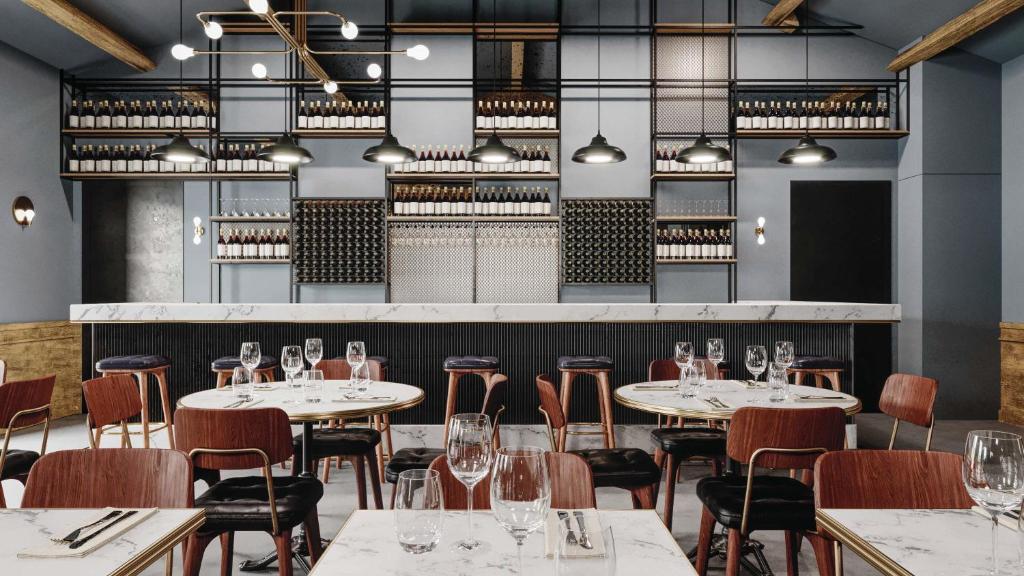
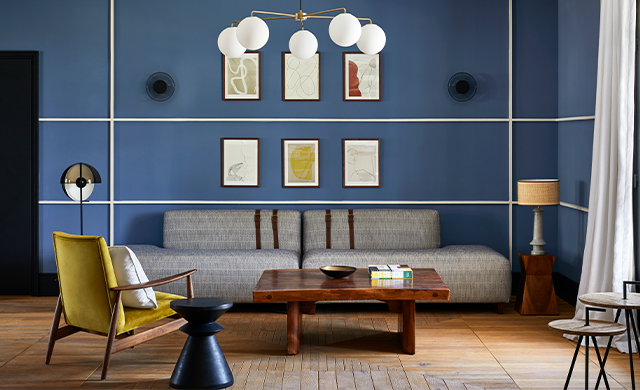
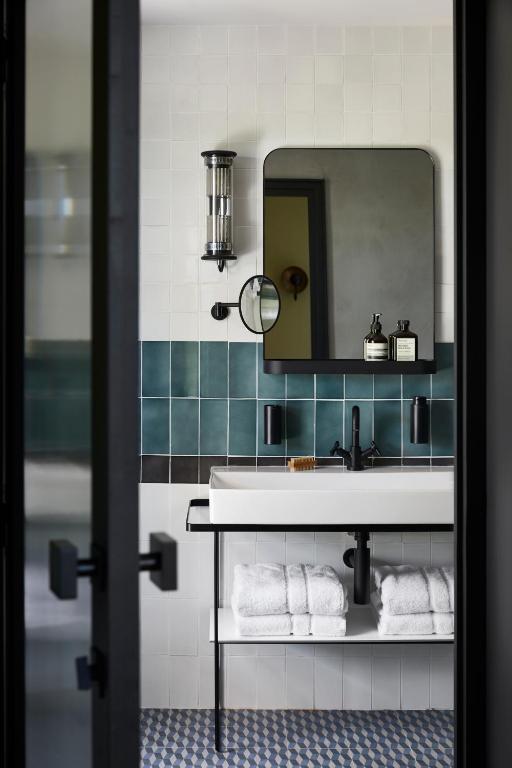
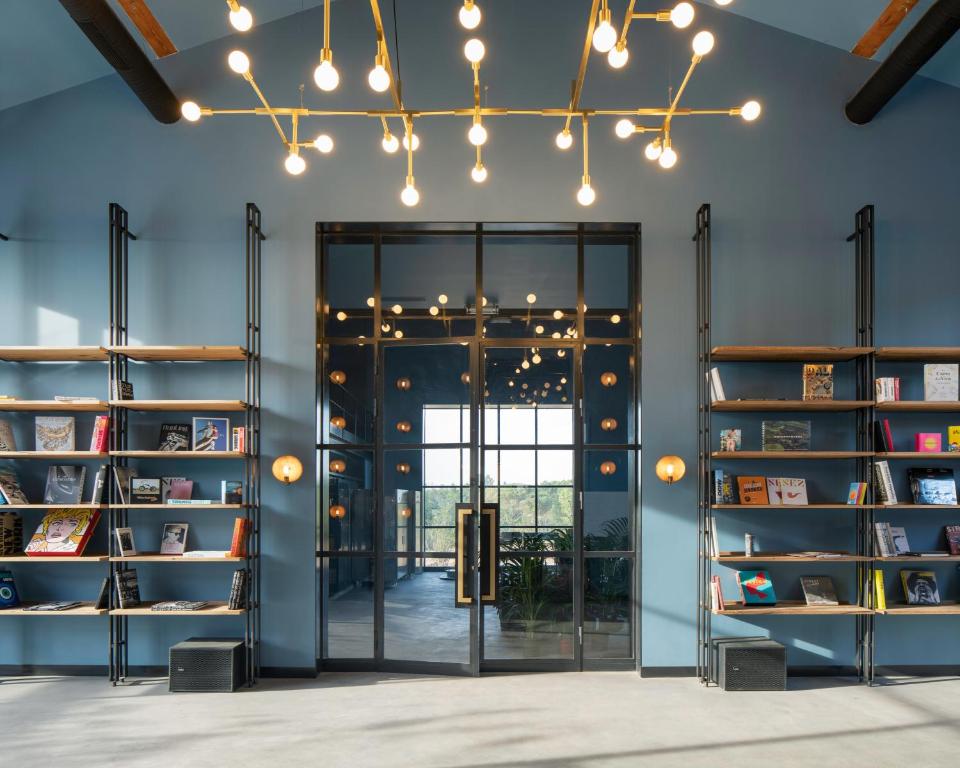
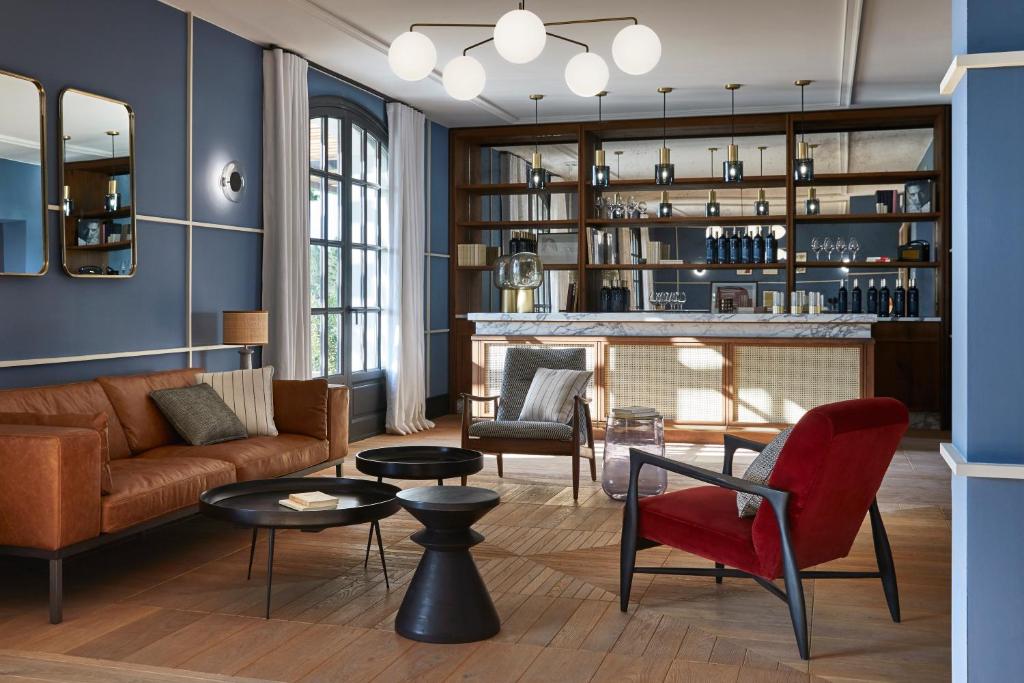
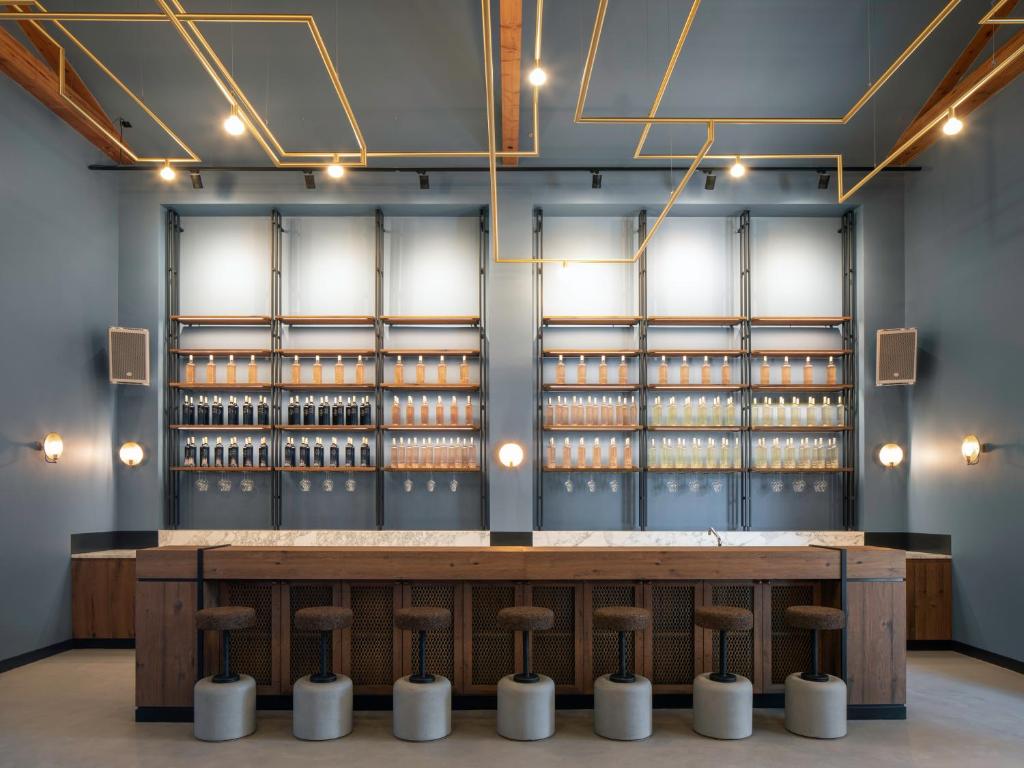
Inside, the material language is confident and unusually graphic for a Provençal estate. Concrete gives the spaces weight. Aged oak adds warmth. Marble, brass and leather sharpen the composition. Lounge and bar areas are wrapped in deep Aegean blue, illuminated by warm brass fixtures that turn what could have felt industrial into something more seductive. Metal-and-glass partitions divide the cellar, tasting spaces and restaurant without visually separating them. Wine remains constantly present. Large glazed openings reveal production areas and stainless-steel fermentation tanks, transforming the mechanics of winemaking into part of the architecture rather than something hidden behind the scenes. Light moves through the spaces. Sightlines remain open. Hospitality and production become one environment.
Rooms with a Softer Rhythm
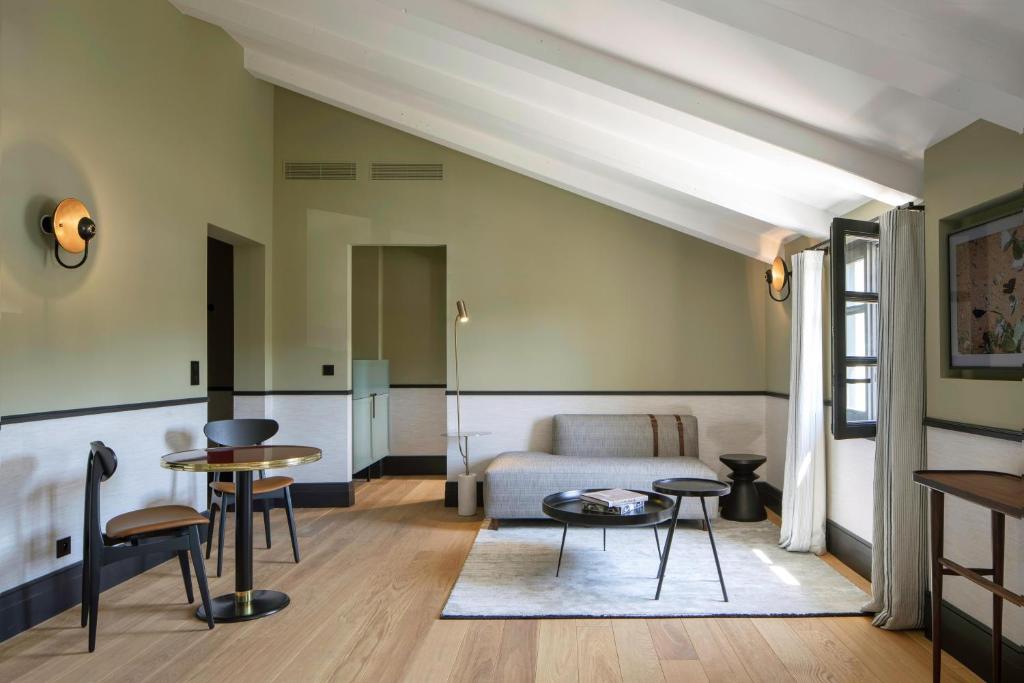
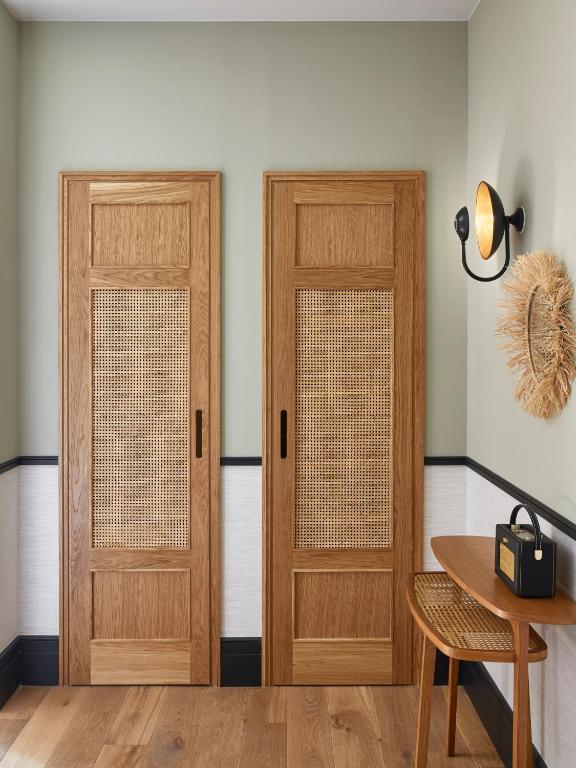
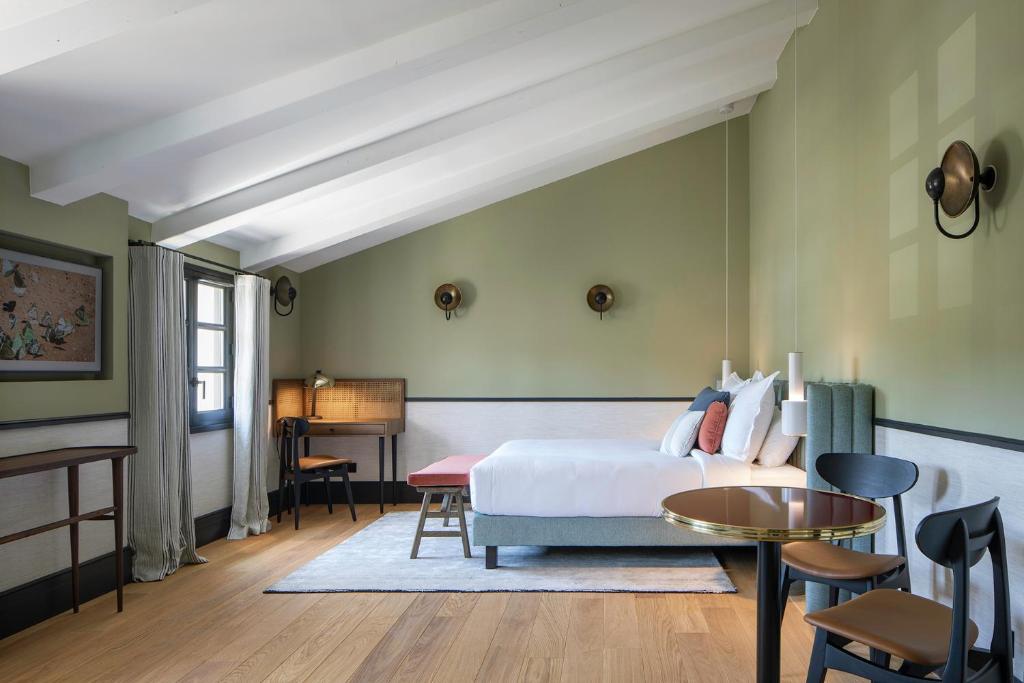
The guestrooms shift the mood. Here, the harder edges of the public spaces give way to warmer tones inspired by the surrounding terrain. Raspberry-coloured padded headboards sit against natural-fibre wall coverings, while modernist abstract prints add a more graphic layer. Mid-century-influenced furniture keeps the rooms connected to the hotel’s cosmopolitan character without overwhelming them. The result is calmer and more tactile than downstairs. Design still leads, but comfort takes over.
Wine as the Social Engine
Ultimate Provence is first and foremost a working wine estate, and that shapes the hotel’s social life. Tastings take place within spaces where the production process remains visible, while the estate’s rosé appears naturally across the bar, restaurant and terrace rather than as a branded afterthought. The restaurant builds its menu around seasonal Provençal produce, while the rooftop and pool areas shift the estate into a more relaxed register. By evening, the atmosphere becomes distinctly less château and more Mediterranean social club. Music, cocktails, vineyard views. Provence without the formality.
Landscape Without Nostalgia
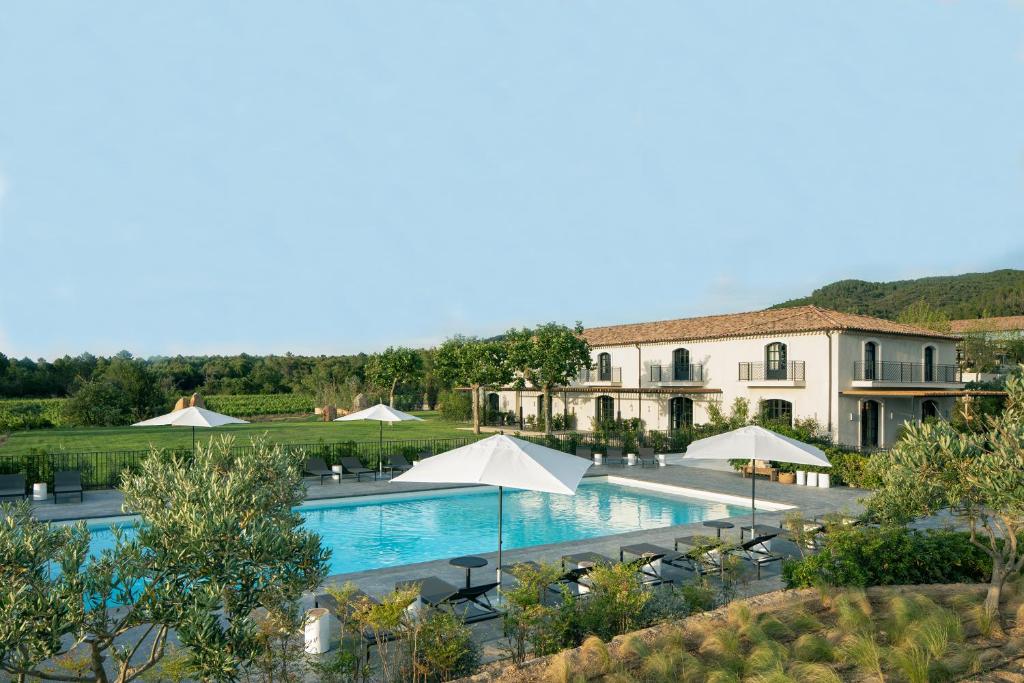
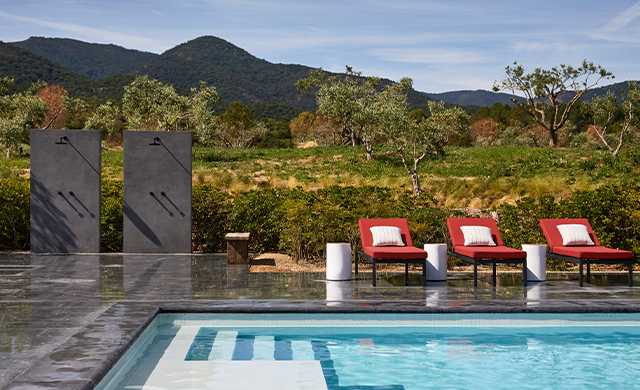
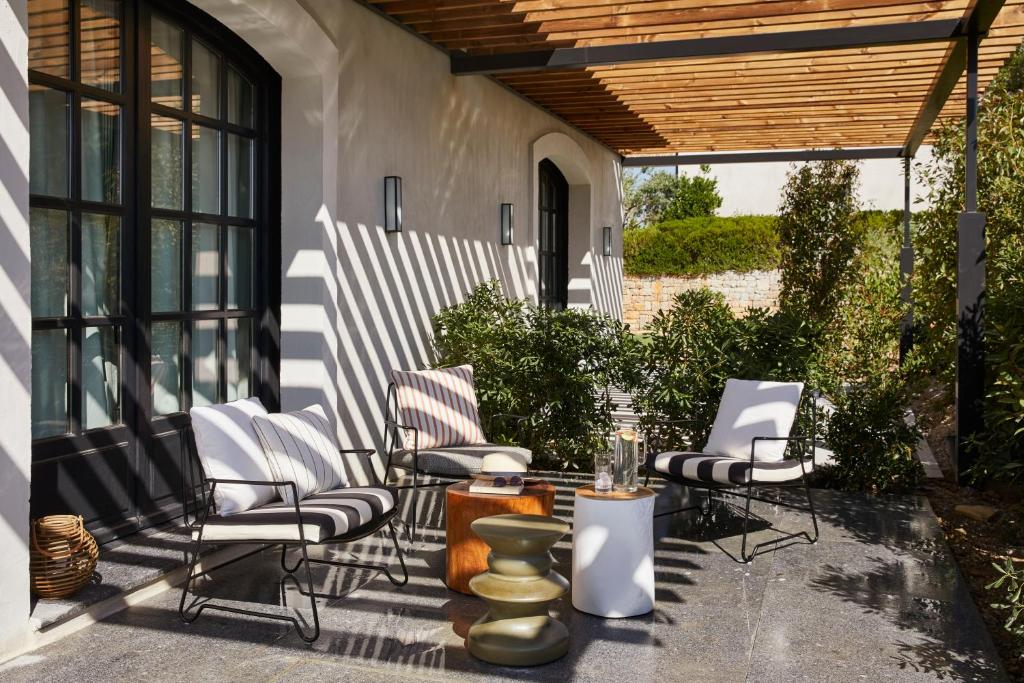
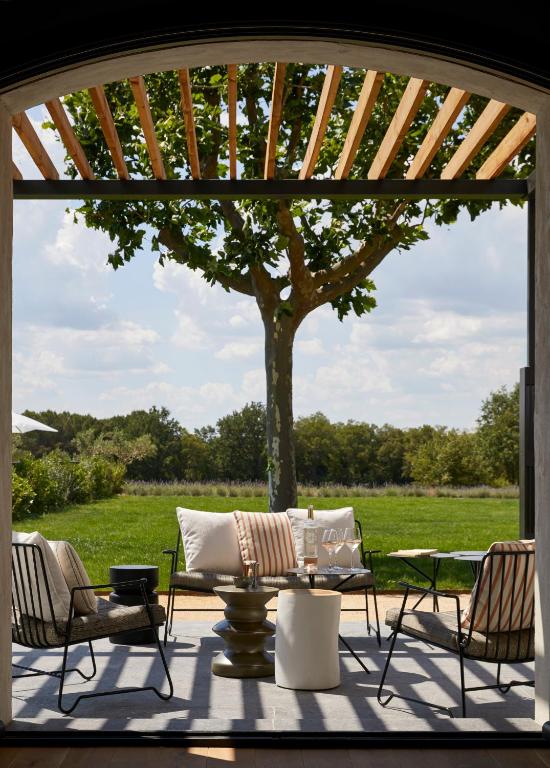
Outside, the contrast between architecture and landscape becomes more apparent. The swimming pool sits among olive trees and vines, with the surrounding countryside softening the harder materials used inside. Pergolas, terraces and outdoor seating create a gradual transition from designed space into vineyard. The hotel never tries to imitate the landscape. It frames it instead. That is what gives Ultimate Provence its identity. The surrounding rural setting remains unmistakably Provençal, while the hotel itself confidently belongs to another visual language.
Organic Wine Country
The estate’s environmental credentials are grounded in its agricultural operation. Ultimate Provence works as an organic vineyard and holds High Environmental Value certification, with biodiversity and bee-friendly practices forming part of the estate’s approach. That ecological dimension gives the hotel more substance than its polished styling might initially suggest. This is not simply a design hotel placed beside vines. The vineyard is the reason the hotel exists.
Why It Works
Ultimate Provence succeeds because it understands that contemporary wine tourism does not have to look backwards. Humbert & Poyet kept the agricultural function visible while stripping away the visual clichés traditionally associated with Provençal estates. Concrete sits beside oak. Brass meets vineyard soil. Stainless-steel tanks become part of the interior landscape. The result feels neither rustic nor aggressively futuristic. It simply feels current. For travellers who like their rosé with architecture, Ultimate Provence offers a rare combination: a working Provençal vineyard with the attitude of a modern design hotel.