United Places Botanic Gardens | Melbourne, Australia
Twelve Apartment-Like Suites Bring Radical Restraint to the Edge of Melbourne’s Royal Botanic Gardens
Why DNA Hotels Loves It
● Carr Design Group conceived both architecture and interiors as an exercise in quiet, residential luxury, with just 12 highly considered suites.
● There is no conventional lobby, spa, pool, or gym—the experience is built around privacy, space, intelligent planning, and exceptional design rather than hotel theatre.
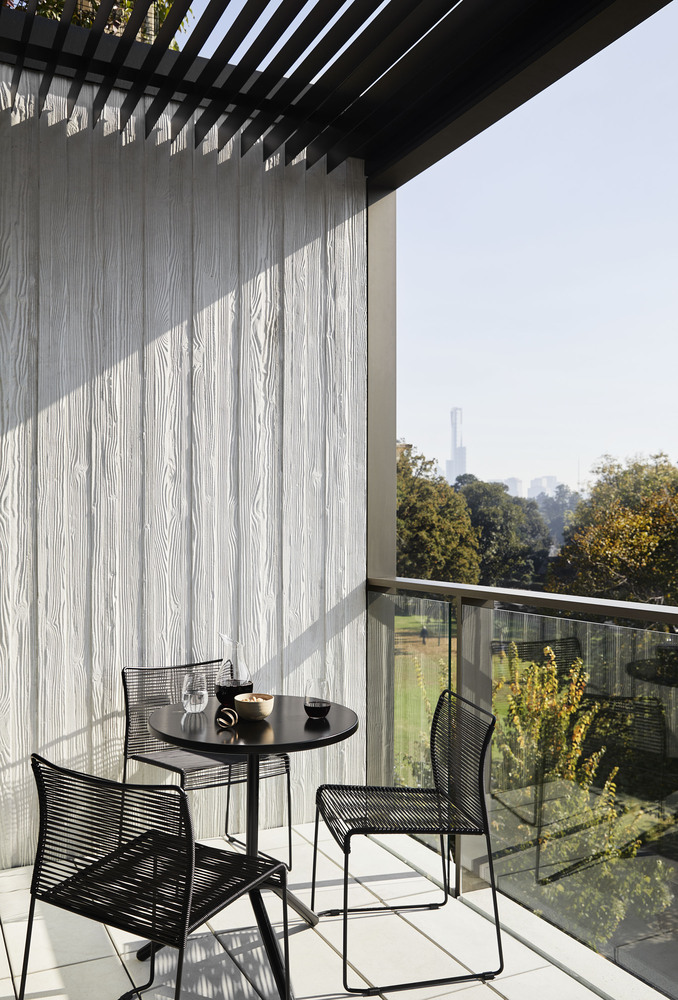
● Half the suites look directly across the Royal Botanic Gardens, while Scott Pickett’s Matilda downstairs extends the experience through fire-led Australian cooking.
Twelve Rooms and Almost No Hotel
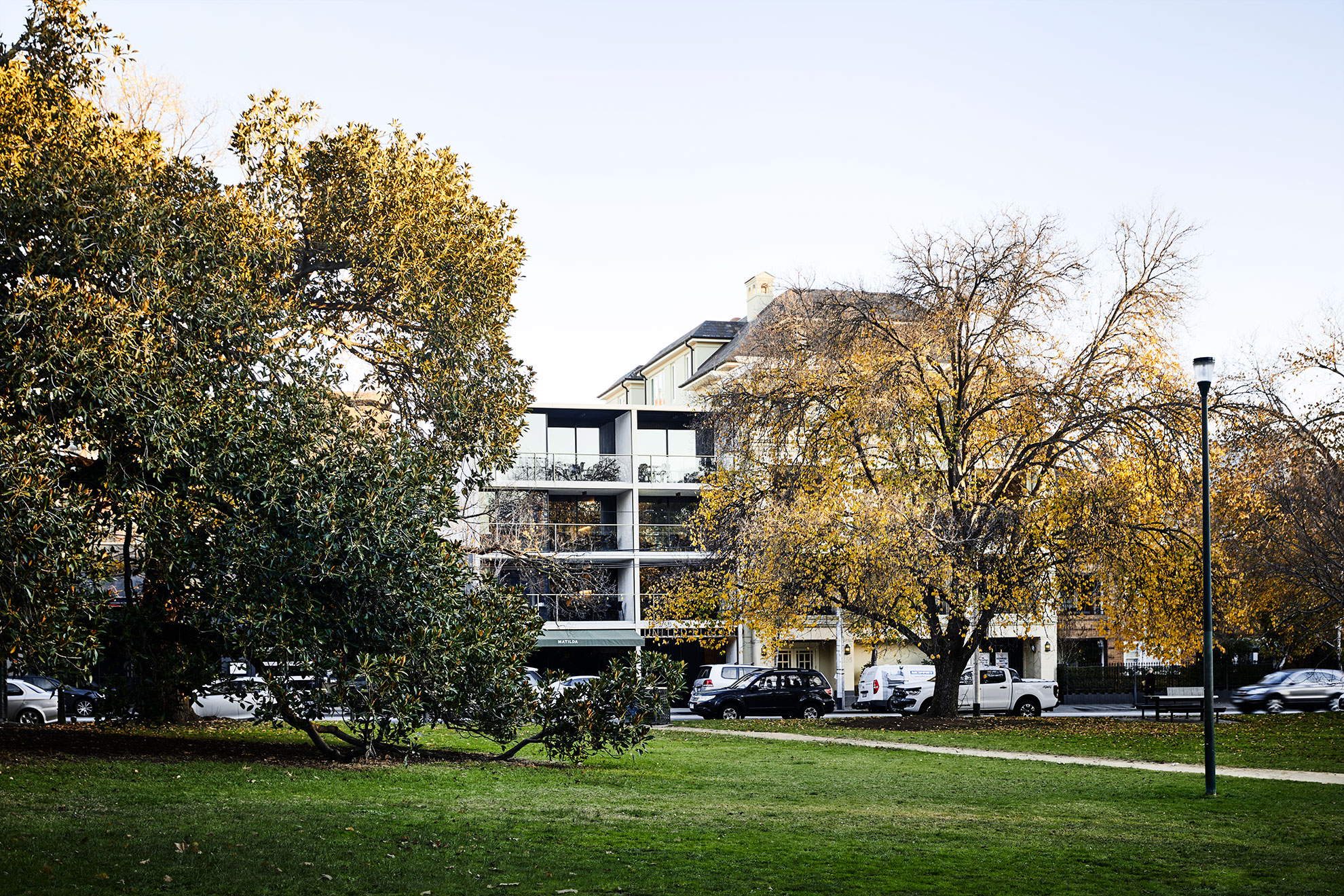
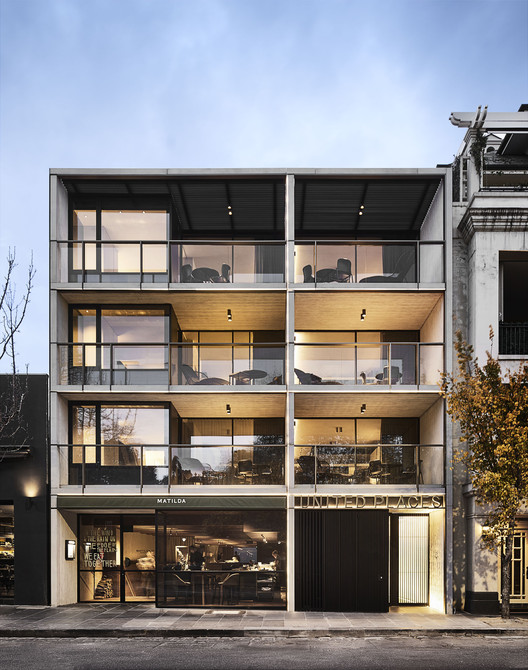
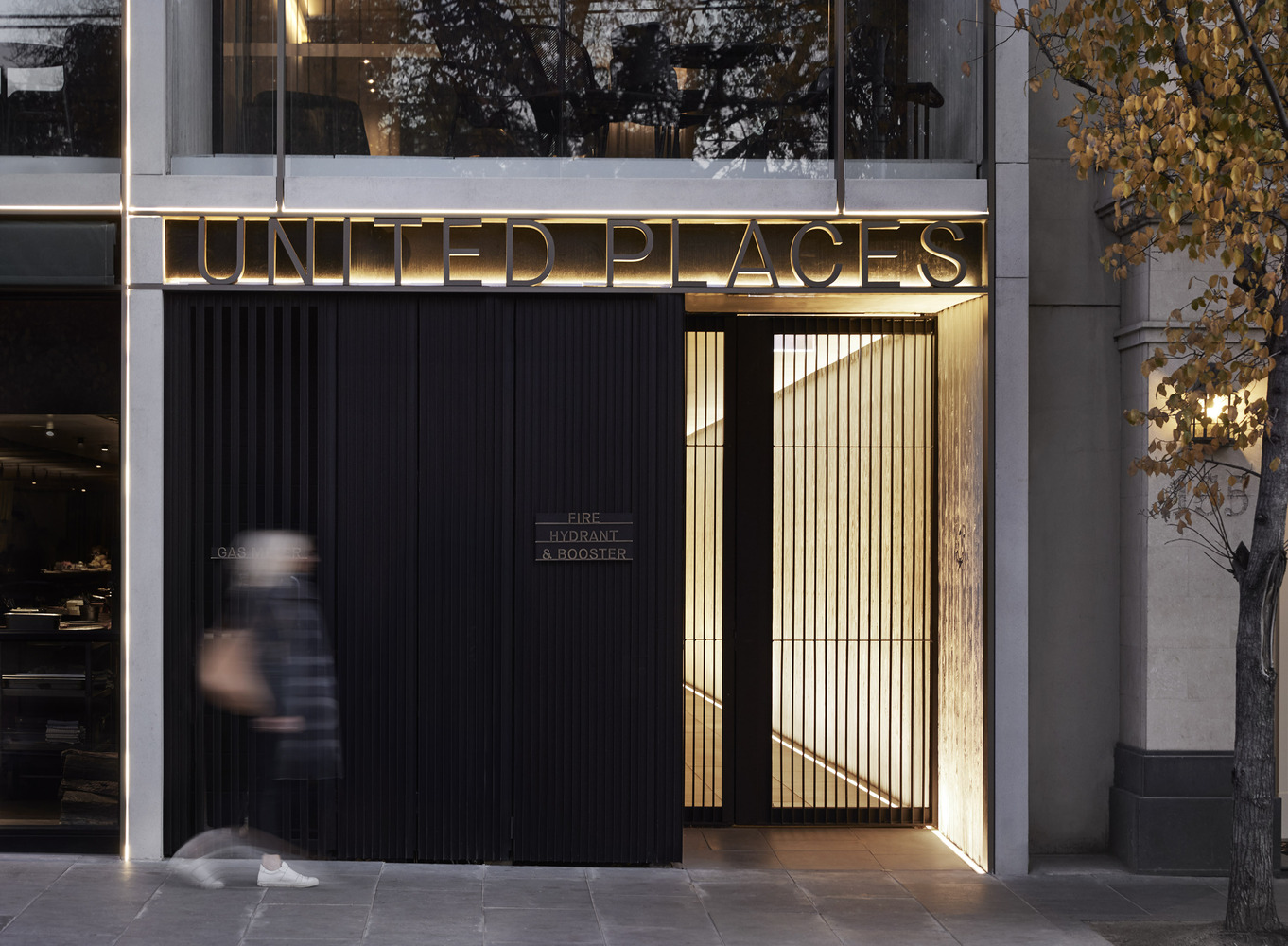
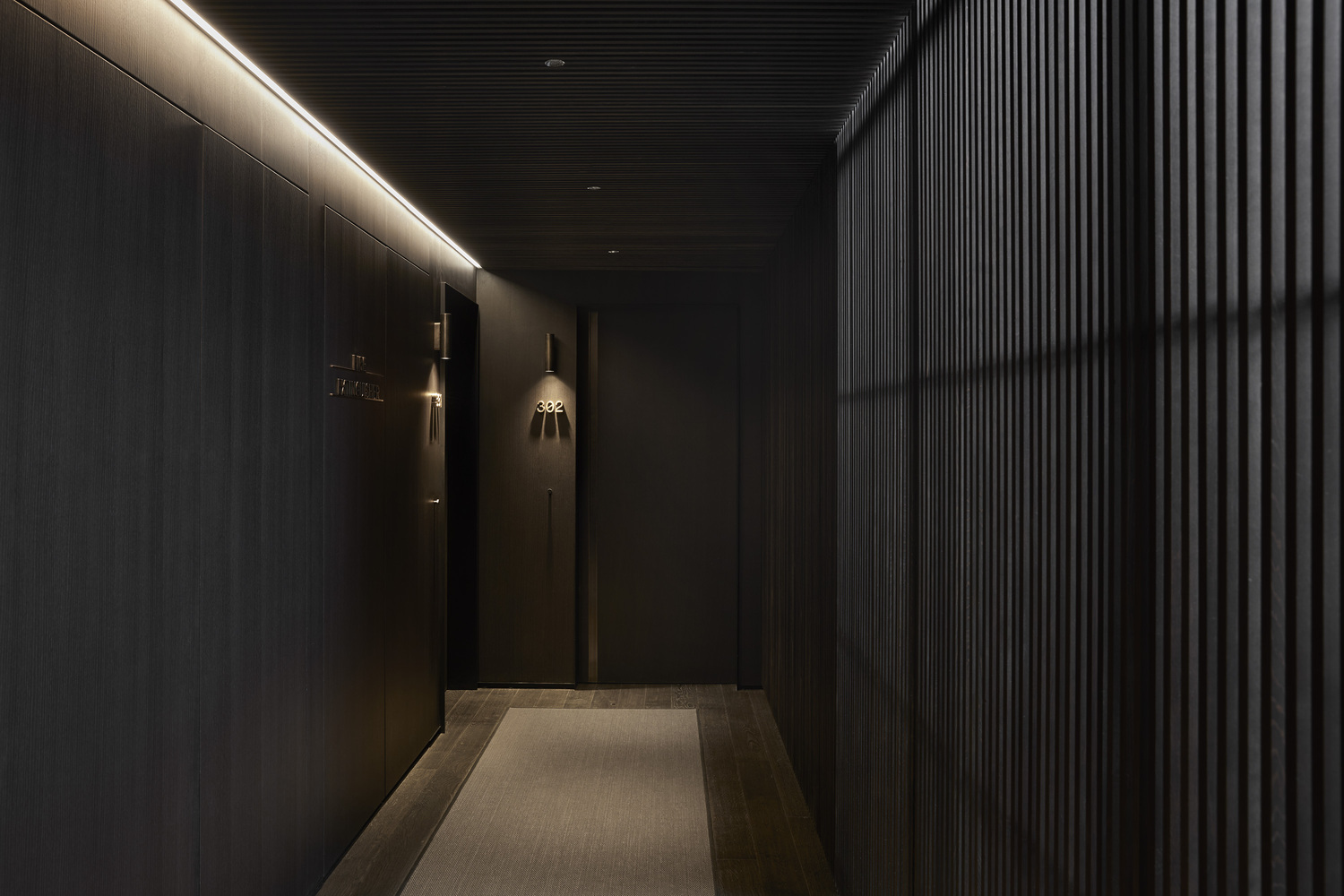
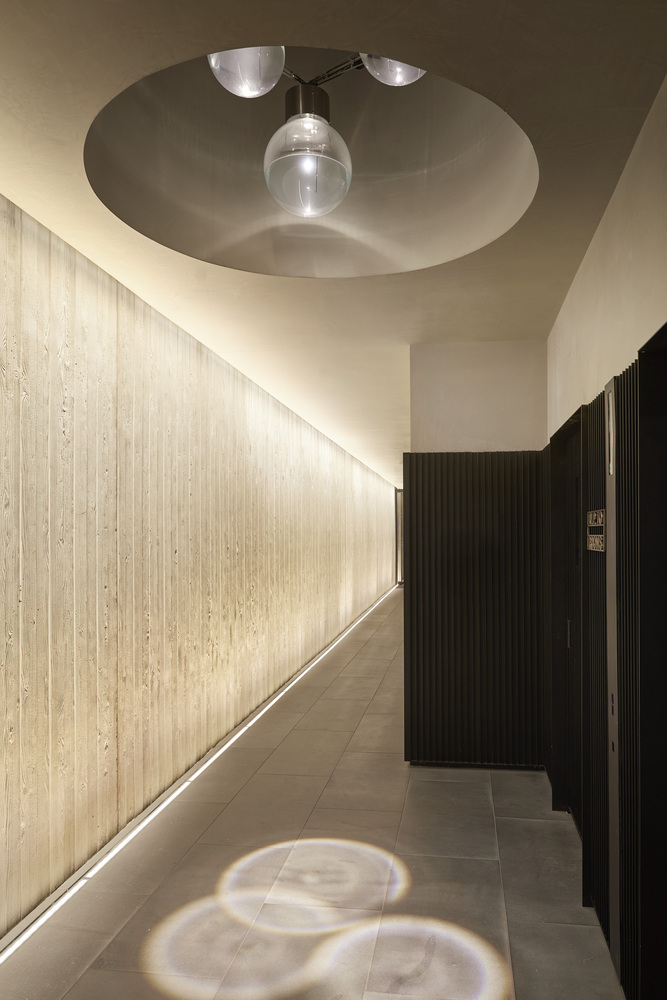
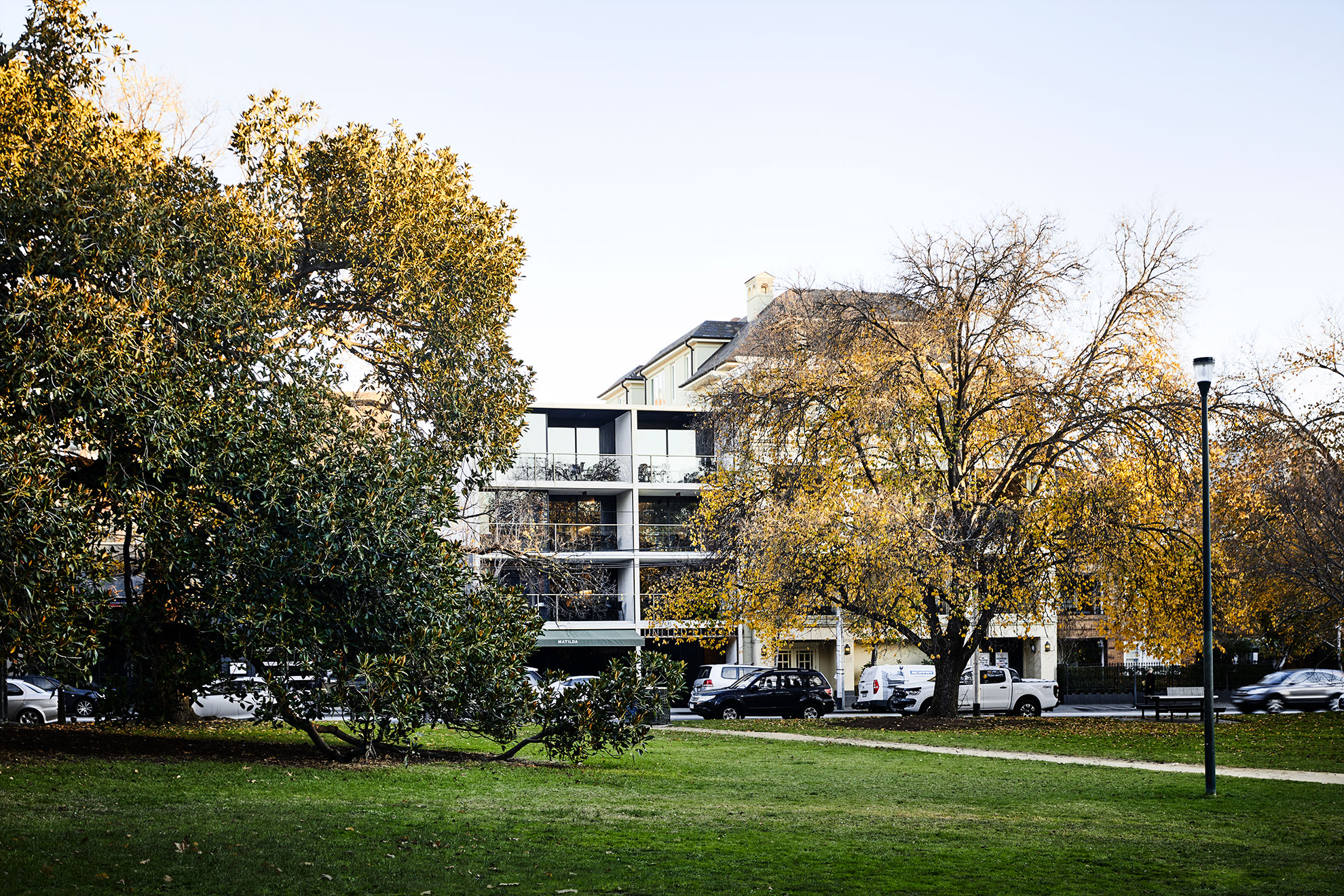
United Places Botanic Gardens makes a convincing argument for everything a luxury hotel doesn’t need. There’s no grand lobby. No ceremonial reception desk. No procession of public spaces designed to remind you how expensive everything is. Instead, an understated entrance on Domain Road leads towards a kinetic light sculpture by artist Laura Woodward and a lift to just 12 suites above. First-time hotelier Darren Rubenstein wanted to combine the privacy of a home with the service of a luxury hotel. Carr Design Group translated that idea into architecture that almost disappears around the guest. The location does the rest. Directly opposite Melbourne’s Royal Botanic Gardens, it places one of the city’s greenest landscapes outside the window while South Yarra unfolds immediately behind.
Carr Design Group and the Luxury of Restraint
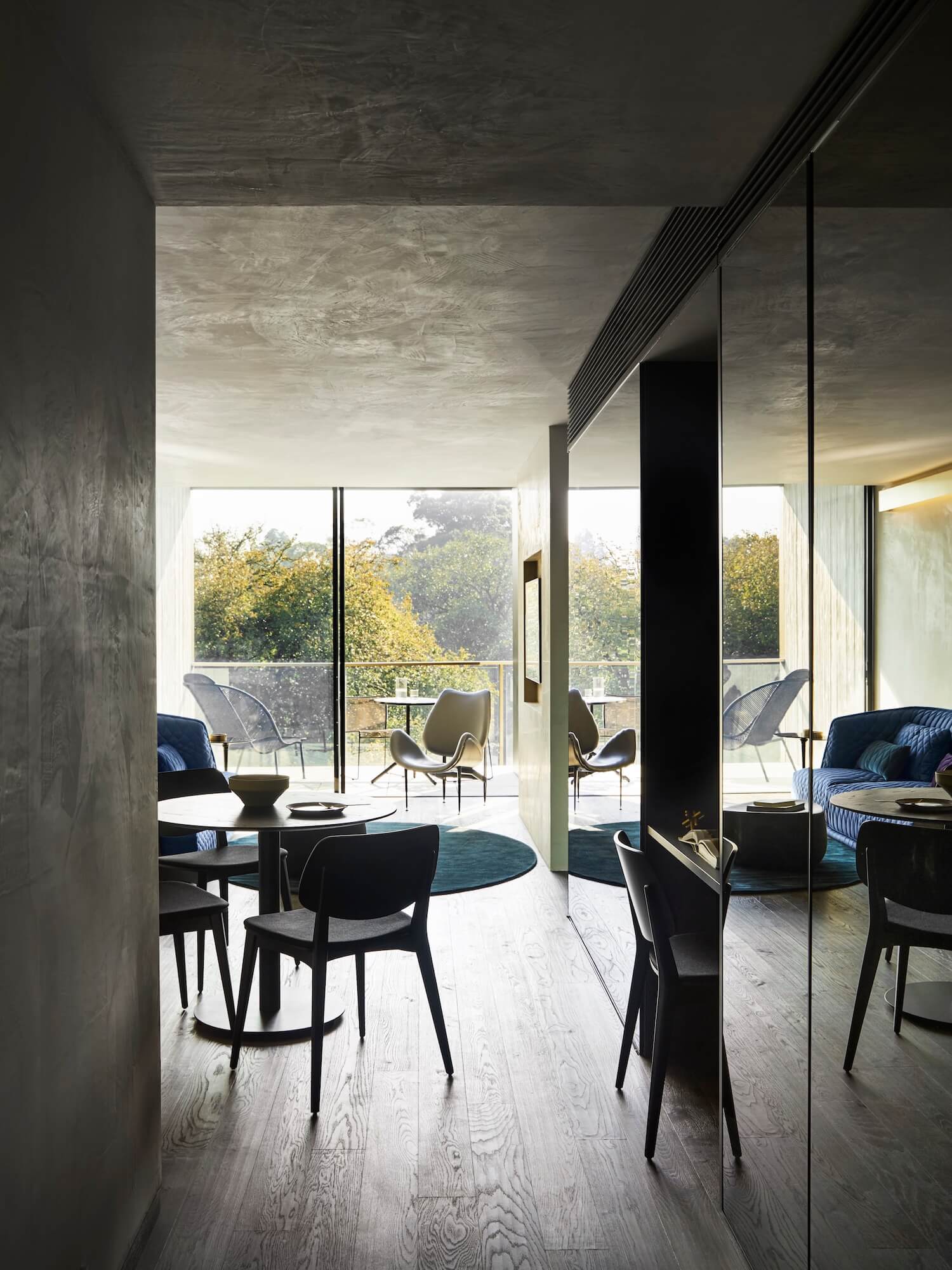
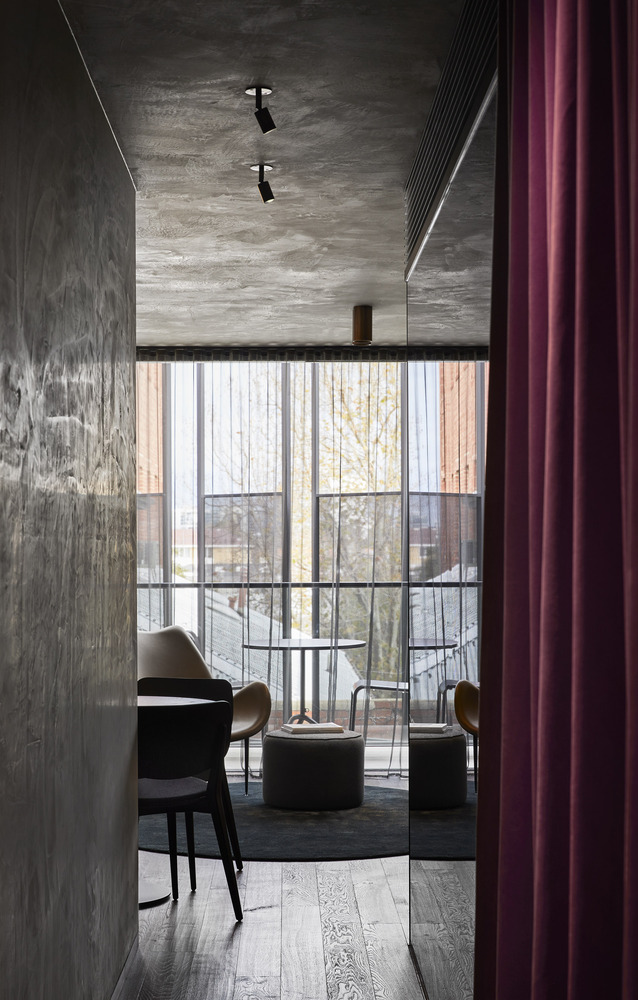
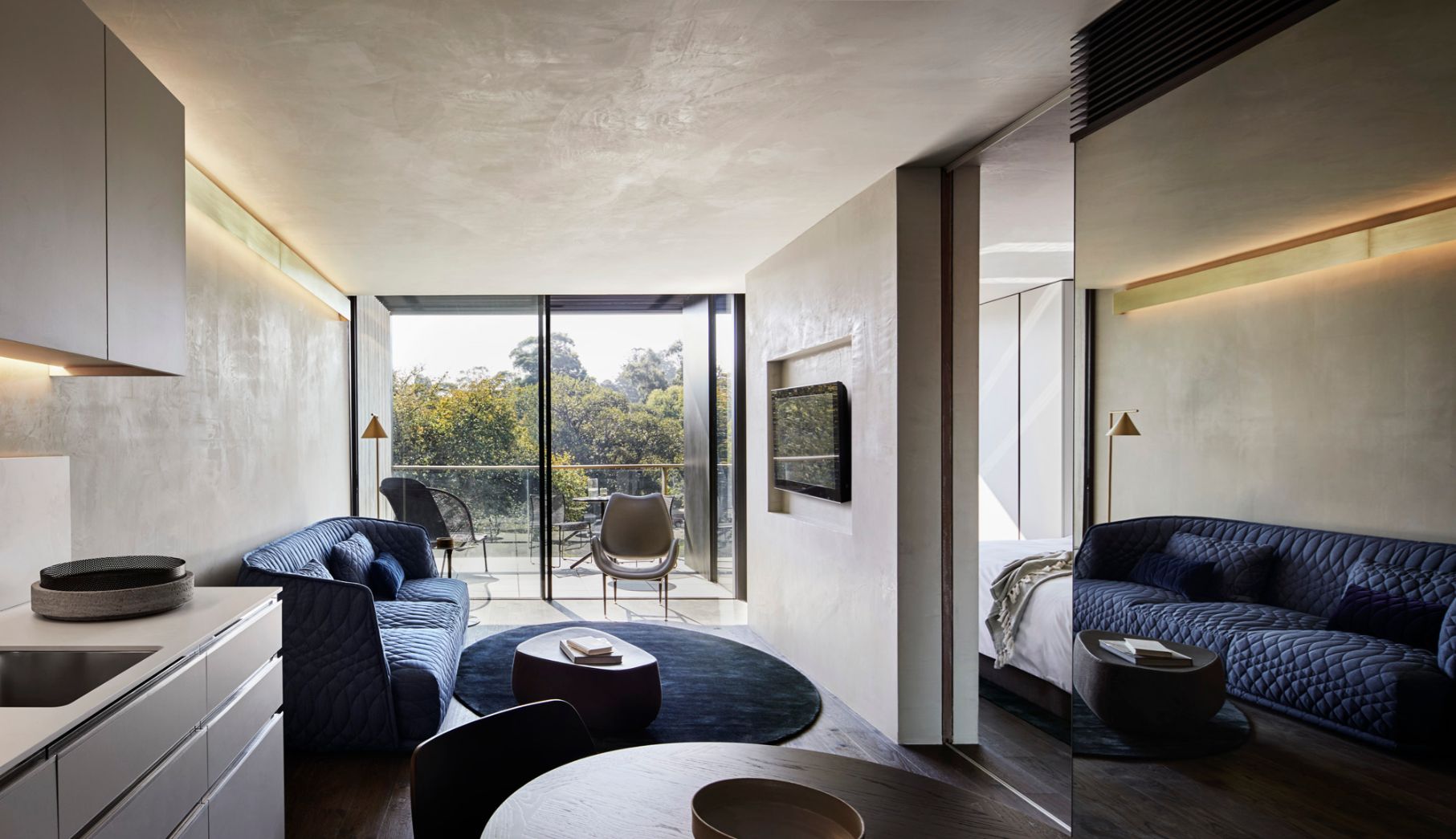
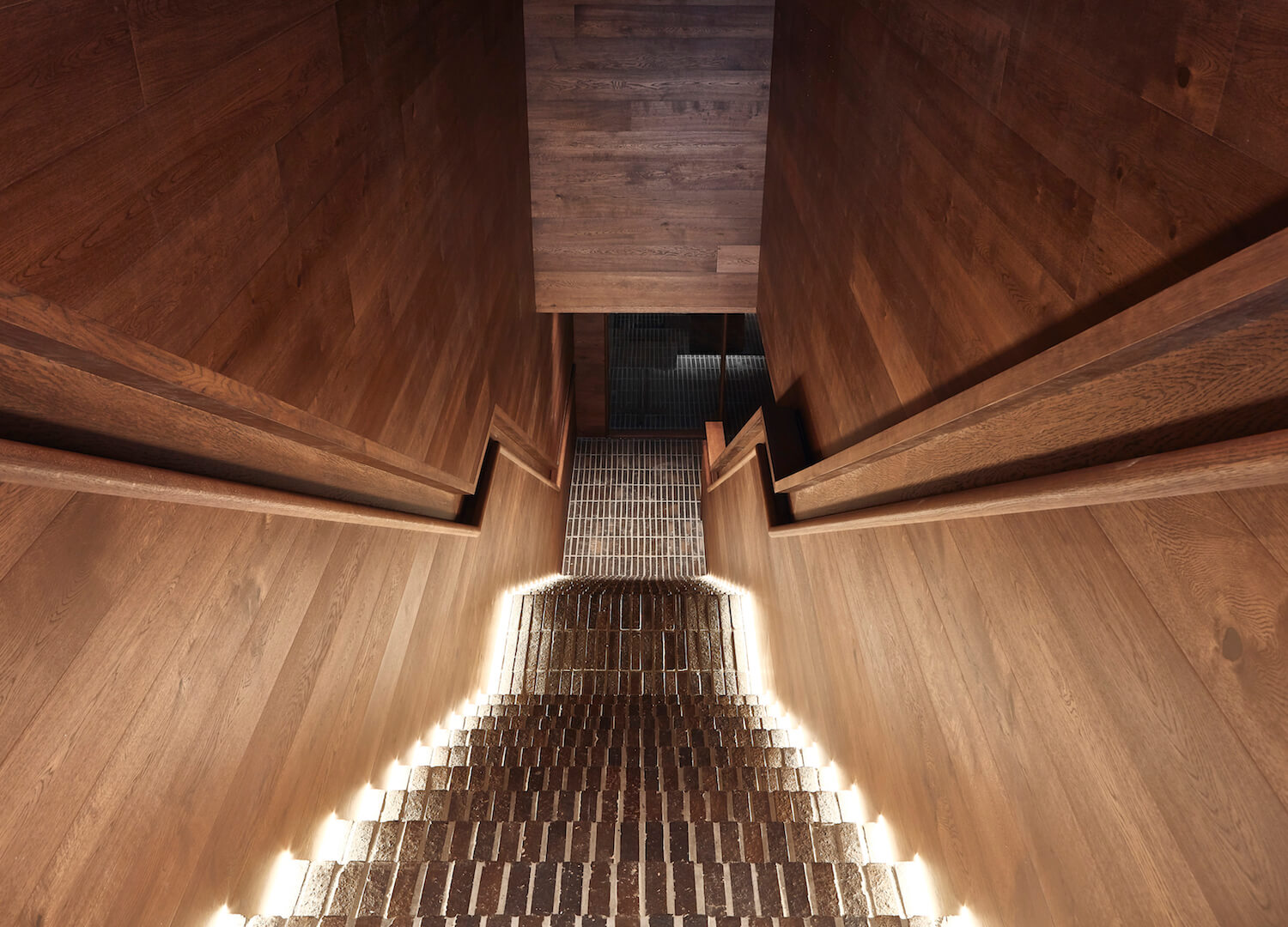
Carr handled both the architecture and interiors, using minimalism as a starting point rather than an aesthetic endgame. Concrete, timber, off-white plaster, mirrored surfaces, and Japanese-influenced screens establish the quiet architectural framework. Daylight moves through gridded panels, creating changing patterns across floors and walls, while textured surfaces prevent the restrained palette from becoming clinical. There are moments of colour, too. Patricia Urquiola’s sculptural Redondo sofas introduce rich blue, while suede curtains in forest green or dusty pink wrap around bedrooms, allowing the spaces to change character throughout the day. It’s minimalism made tactile.
Suites Designed Like Apartments
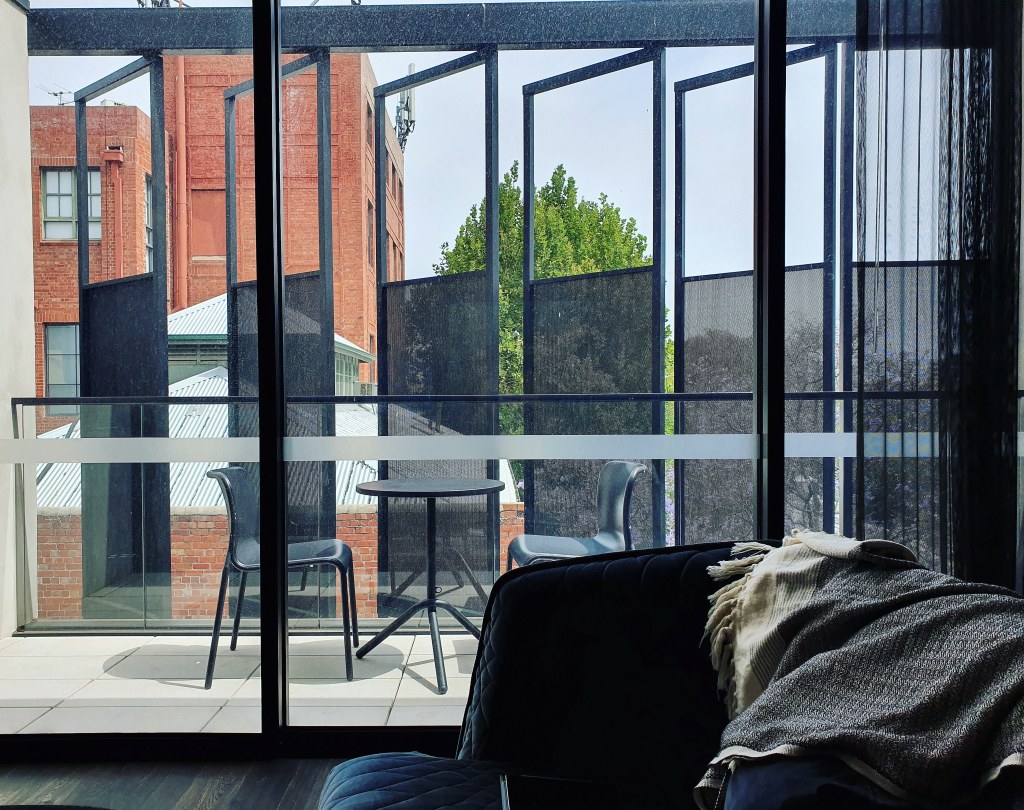
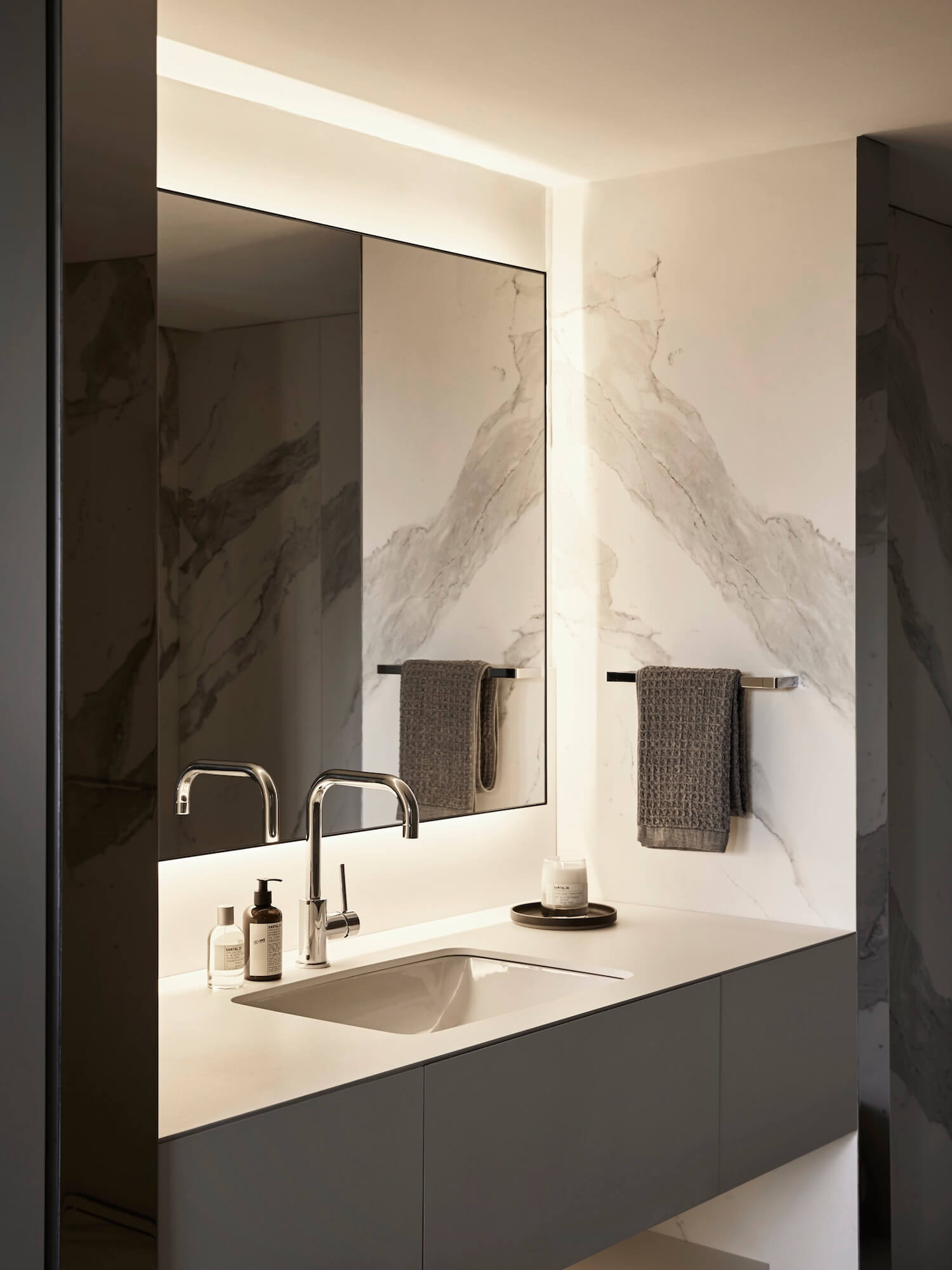
Nine suites have one bedroom; three offer two bedrooms and considerably more space. All contain proper kitchens and balconies, making them feel closer to exceptionally designed Melbourne apartments than conventional hotel rooms. Half overlook the Botanic Gardens; the remainder face the handsome mix of Victorian and contemporary architecture around South Yarra. The planning is particularly clever. Bathrooms sit within mirrored central volumes, allowing circulation to flow around them towards the living spaces and balconies. Reflective-glass showers turn views into part of the bathing experience, while automated curtains can close around the sleeping area to create a more intimate room within the room. Many suites even include a washing machine and dryer—hardly glamorous on paper, but precisely the kind of detail that makes residential luxury actually work.
Service Without the Stagecraft
United Places may remove much of the physical infrastructure of a traditional luxury hotel, but it doesn’t remove service. Staff remain discreetly available, whether arranging dinner, delivering a workout kit, preparing a picnic for the Botanic Gardens, or sending two martinis upstairs. The difference is that hospitality happens around you rather than in front of you. That distinction defines the hotel.
Breakfast Comes to You
Morning provides perhaps the best example. Rather than sending guests downstairs to queue around a buffet, freshly baked pastries appear outside the suite. Granola, coffee, tea, and juices can follow when you’re ready, served in carefully chosen Japanese-style ceramics and glassware. No breakfast room. No background music. Just breakfast at home—except considerably better.
Matilda, Downstairs
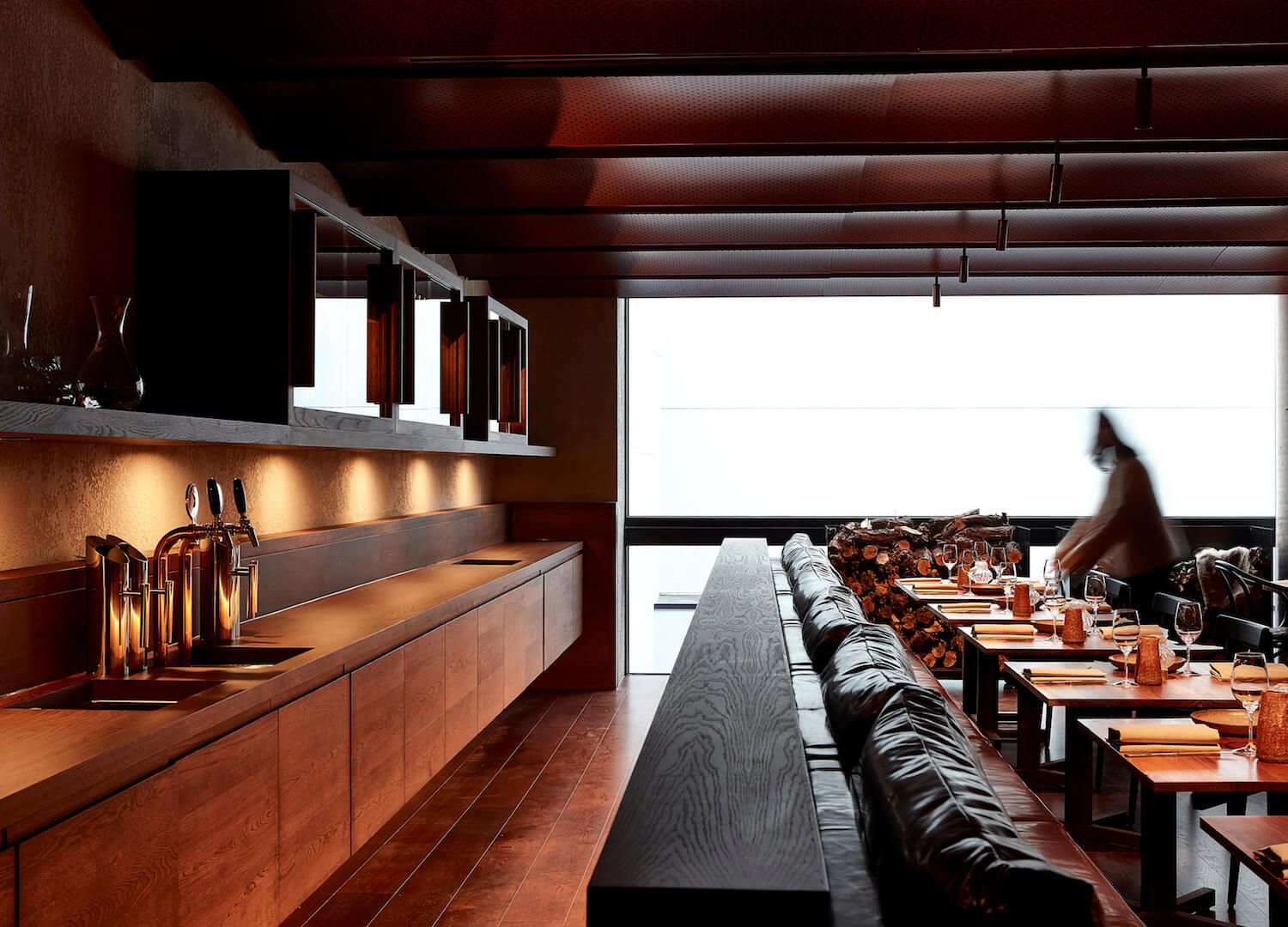
At street level, Scott Pickett’s Matilda provides the culinary counterpoint to Carr’s restraint upstairs. Fire drives the kitchen, with contemporary Australian ingredients and techniques producing dishes such as kangaroo tartare, wagyu biltong, and rare-breed pork alongside vegetable-led options. The restaurant is a destination in its own right rather than a conventional hotel dining room, and that independence suits United Places perfectly. Other neighbouring restaurants effectively extend the hotel further into Domain Road, while picnic baskets can be arranged for perhaps the most obvious dining room of all: the Botanic Gardens opposite.
Quietly Conscious
Even some of the building’s most thoughtful decisions remain largely invisible. Hot water is generated using solar thermal technology rather than fossil fuels, while the absence of enormous communal facilities naturally reduces much of the infrastructure associated with traditional luxury hotels. Again, there’s no need to turn it into a performance. It simply forms part of the architecture.
Why It Works
United Places Botanic Gardens understands that privacy can be more luxurious than spectacle. Darren Rubenstein’s original vision and Carr Design Group’s exceptionally intelligent planning reduce the hotel to 12 beautiful suites, discreet service, excellent food, and one extraordinary location opposite Melbourne’s Botanic Gardens. Nothing competes unnecessarily for attention. Nothing feels generic. It’s less about staying in a hotel than temporarily acquiring the kind of South Yarra apartment a design obsessive might dream of calling home.