Upper House Shanghai – China
Piero Lissoni’s contemporary sanctuary in Jing’an, where Italian restraint meets Shanghai’s cosmopolitan energy.
Why DNA Hotels Loves It
● Piero Lissoni’s architecture and interiors combine Italian minimalism with subtle references to Chinese materials, craftsmanship and spatial traditions.
● Part of The House Collective, the former Middle House brings the group’s residential approach to hospitality into the heart of Shanghai’s Jing’an district.
● More than a design hotel: its restaurants, art collection, courtyard spaces and Mi Xun spa create a genuine urban retreat within one of Asia’s most energetic cities.
A House in Shanghai
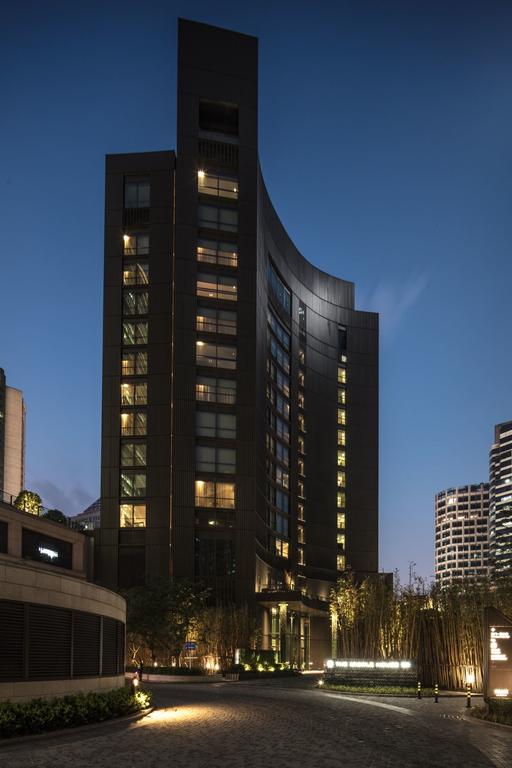
Shanghai does spectacle exceptionally well. Upper House Shanghai takes the opposite approach. Set in Jing’an, close to Nanjing Road, the hotel creates an unexpectedly intimate world within one of China’s most vertical and fast-moving cities. Originally opened as The Middle House, the property has entered a new chapter under the Upper House name, bringing it closer to the identity of its sister property in Hong Kong while retaining the architecture and interiors that made it distinctive from the beginning. At its centre is an idea that has always defined The House Collective: a hotel should feel less like an institution and more like someone’s exceptionally well-designed home.
Piero Lissoni Does Shanghai
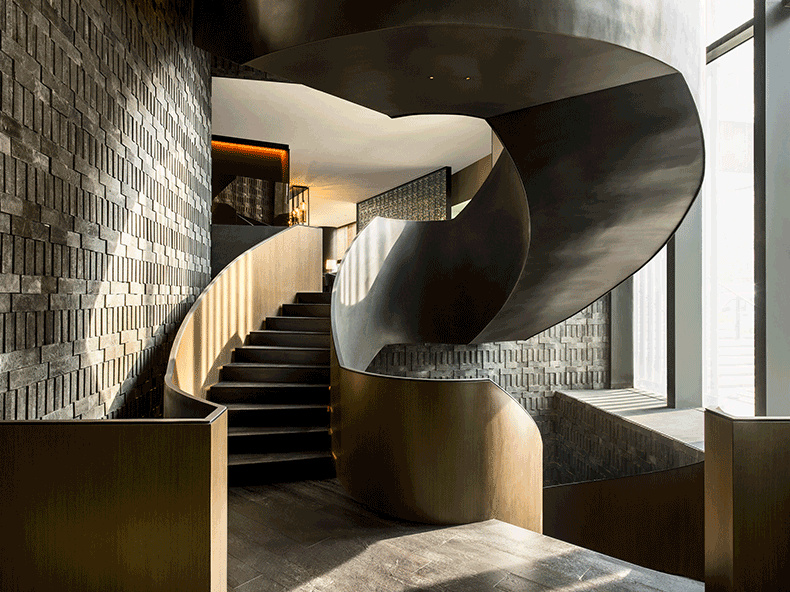
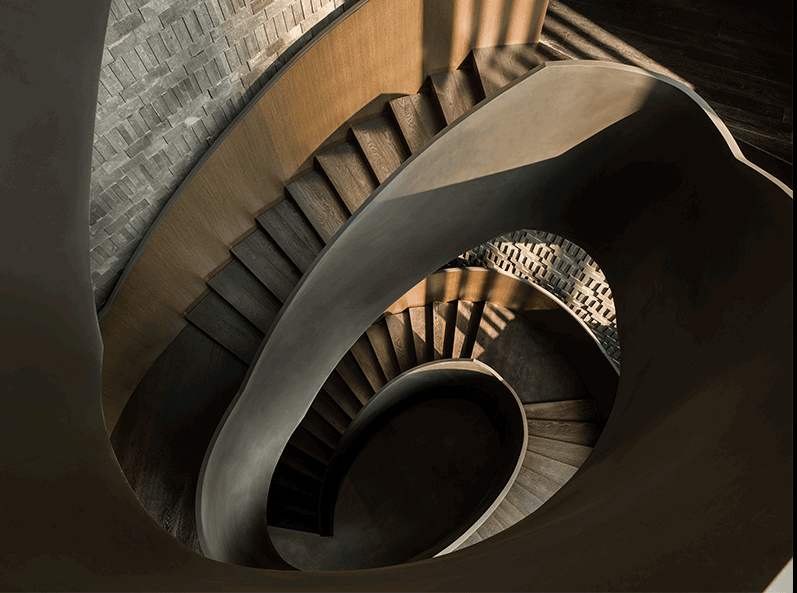
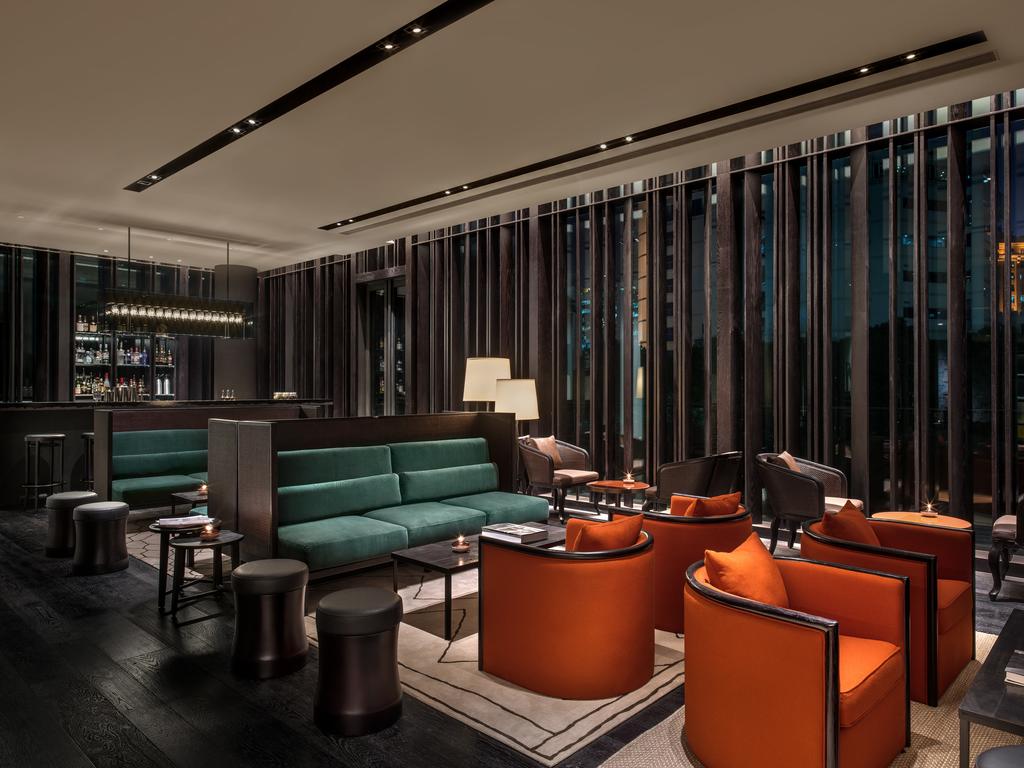
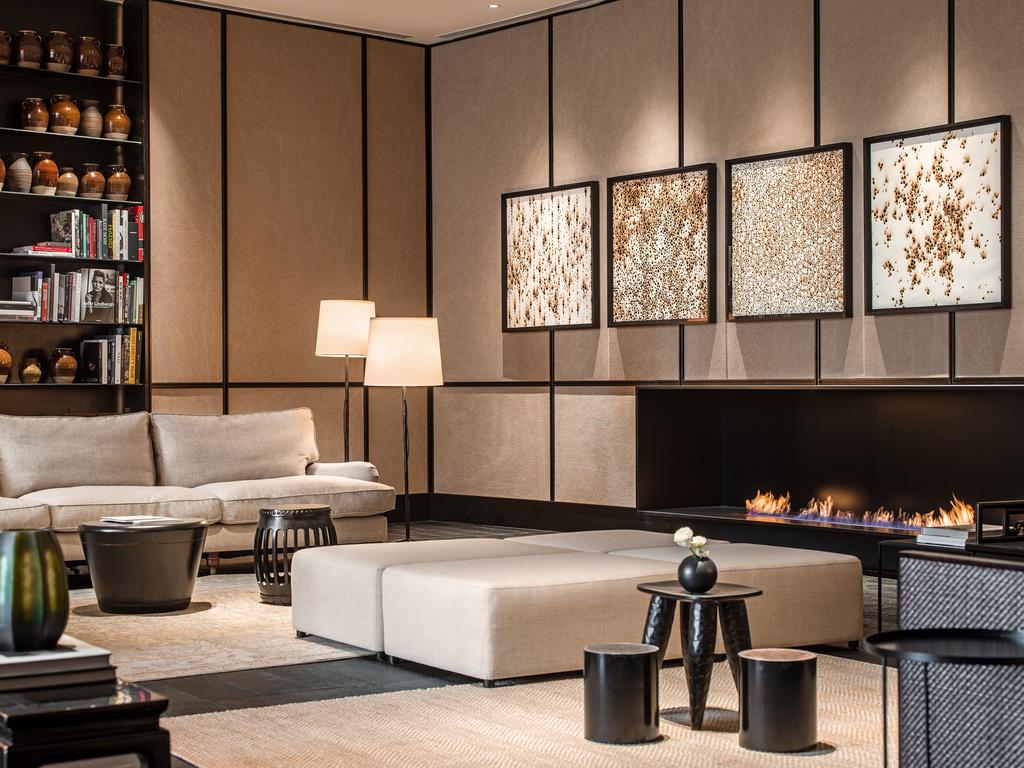
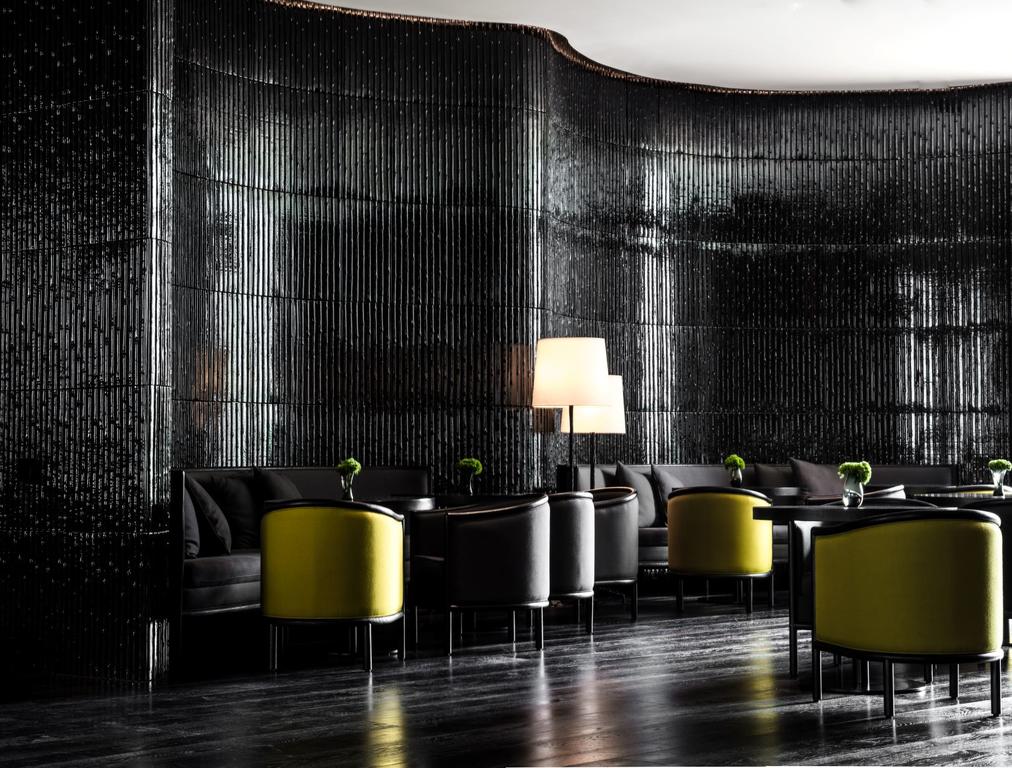
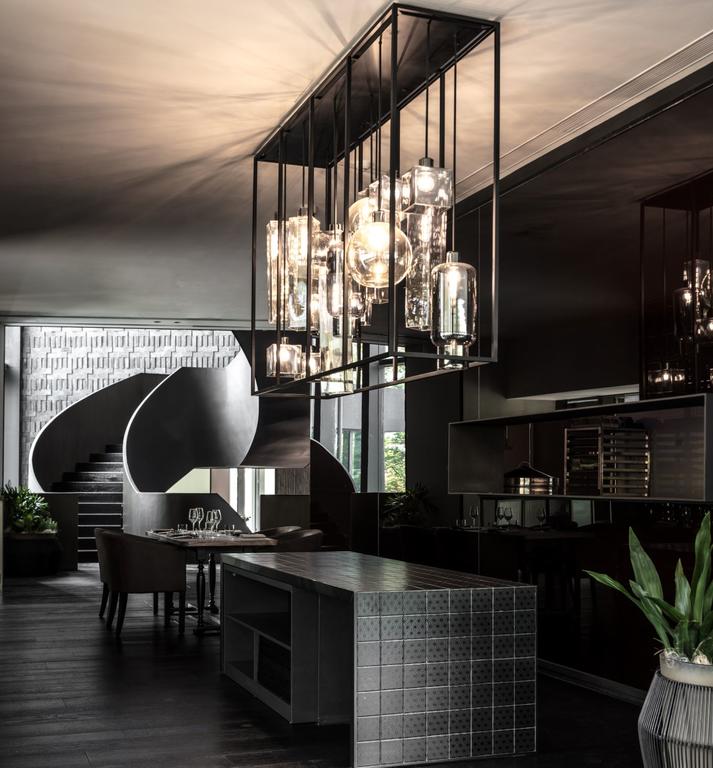
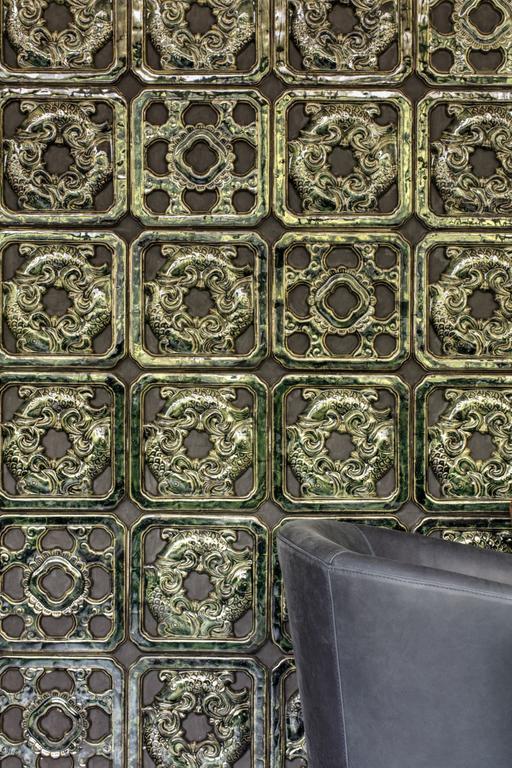
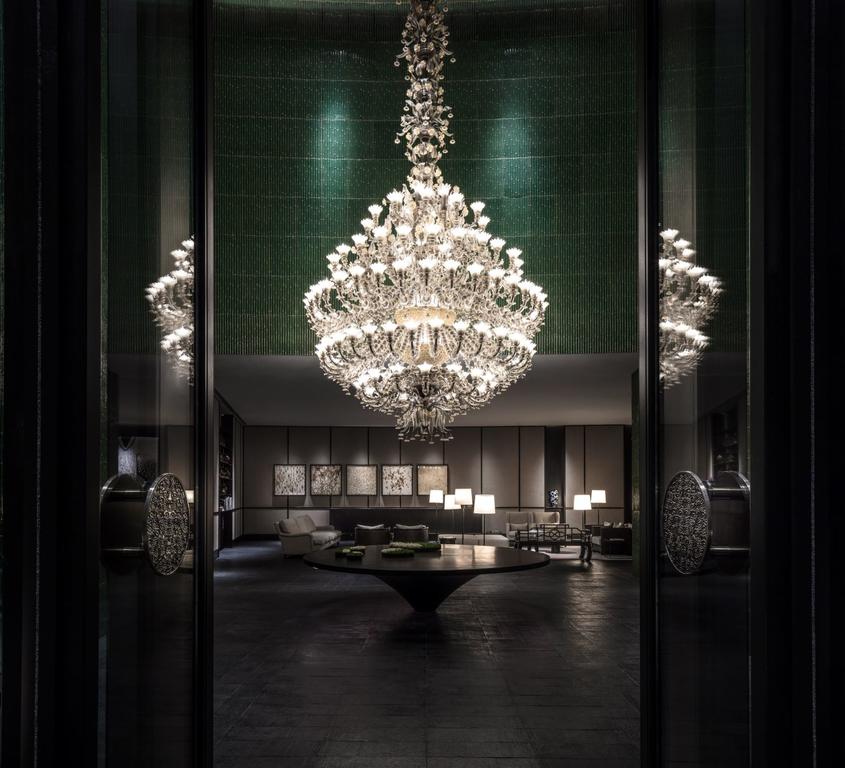
Italian architect and designer Piero Lissoni gives that idea physical form. Rather than competing with Shanghai’s visual intensity, Lissoni works through restraint. Glass, stone, metal and timber establish a disciplined architectural language, softened by greenery, filtered light and carefully framed views. Chinese references are present, but rarely literal. Screens, ceramics, dark timber and patterns inspired by traditional craftsmanship appear alongside contemporary European furniture and Lissoni’s characteristically clean lines. Courtyard-like spaces create moments of separation from the city outside, while long sightlines and carefully controlled transitions make moving through the hotel feel almost cinematic. The result is neither conventionally Chinese nor purely Italian. It belongs to Shanghai.
Modernism with a Softer Side
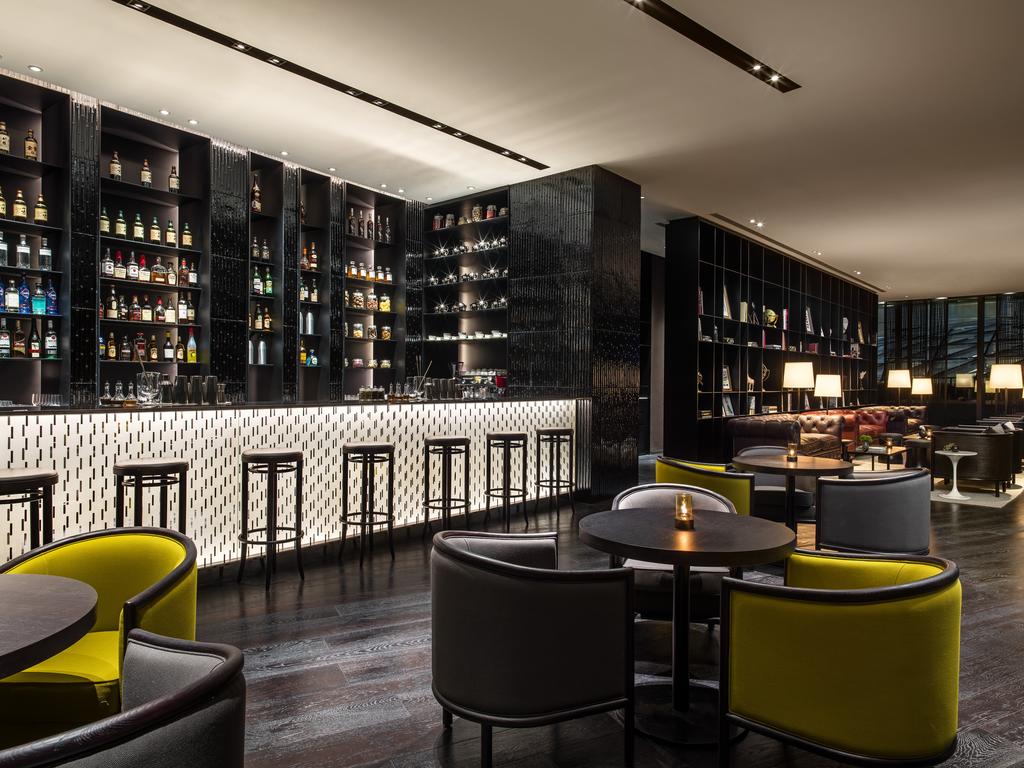
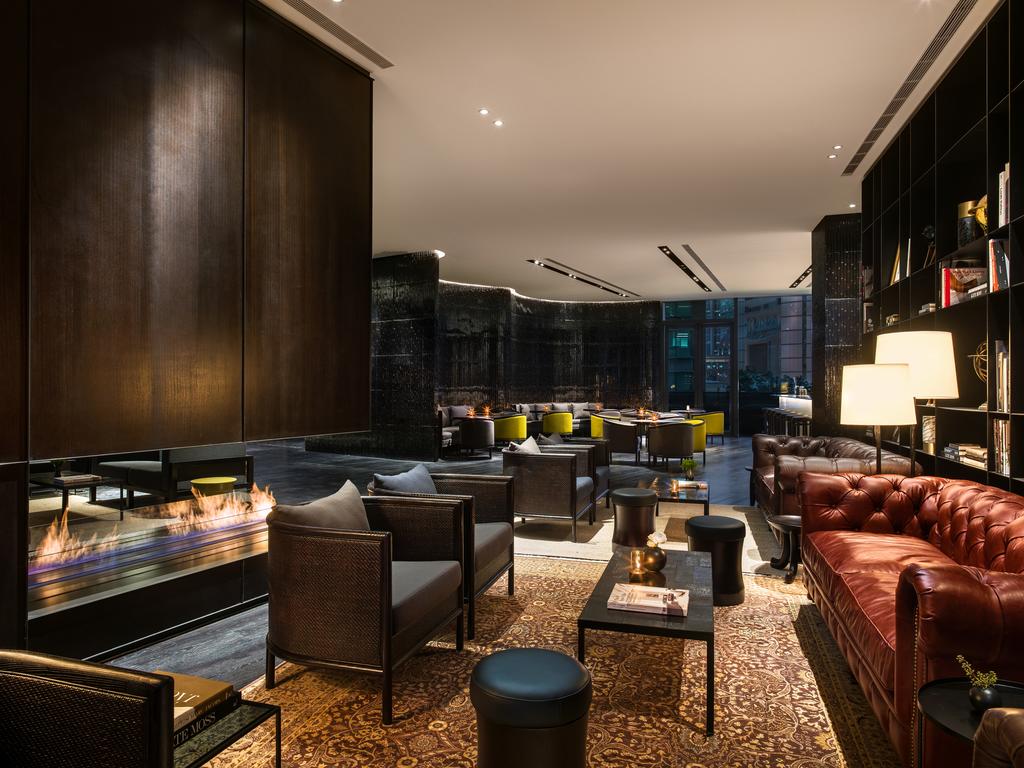
Inside, Lissoni avoids the polished anonymity that can make contemporary luxury hotels interchangeable. Grey stone, pale woods and darker architectural elements create the foundation, but texture does much of the work. Upholstery, handcrafted objects, ceramics and artworks bring warmth to spaces that could otherwise feel austere. There is also a distinctly residential quality. Furniture forms intimate groupings rather than conventional hotel-lobby arrangements. Art is integrated rather than simply hung as decoration. Lighting creates pools of atmosphere instead of illuminating everything equally. It’s sophisticated design that doesn’t need to announce itself.
Rooms Above the City
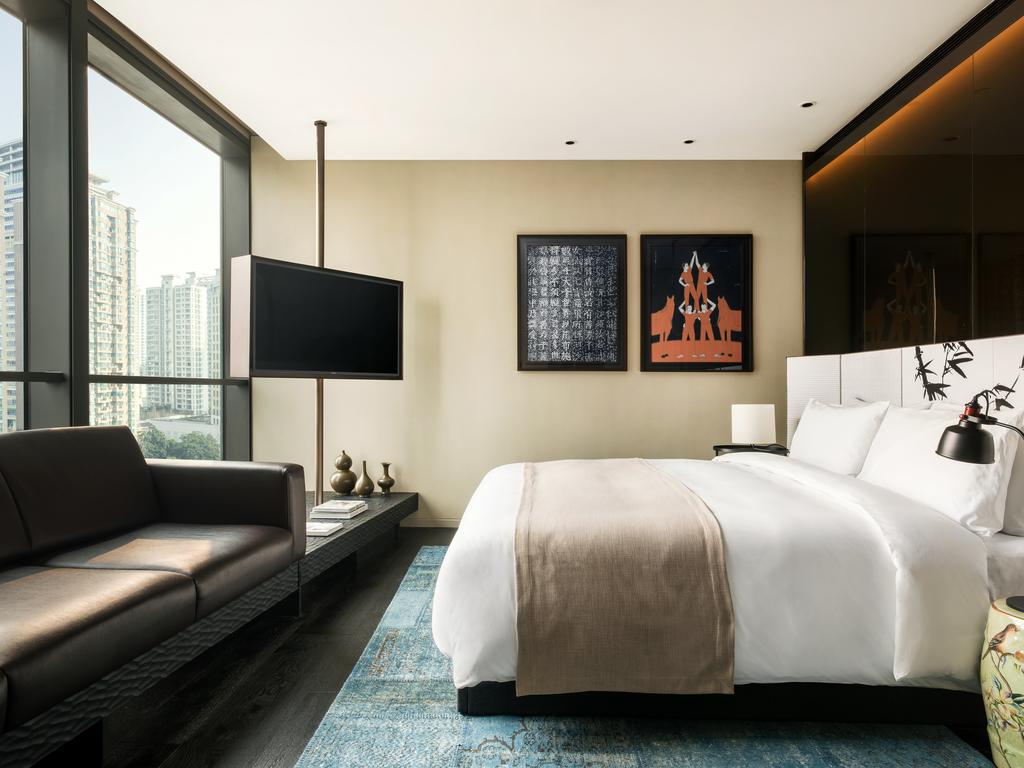
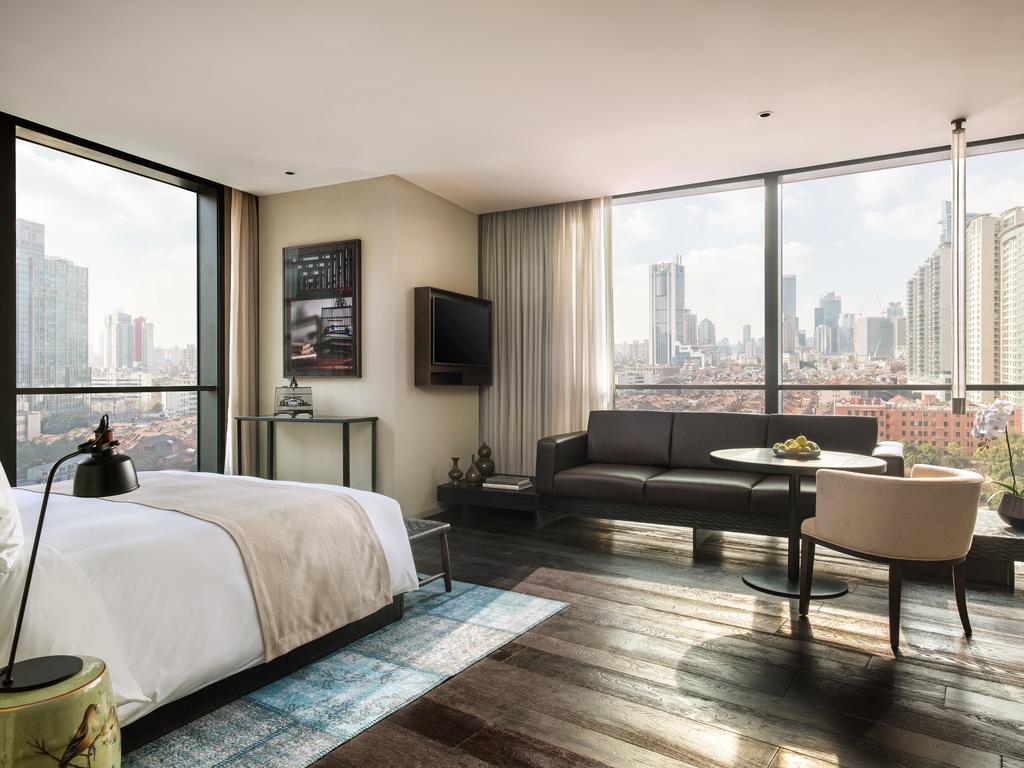
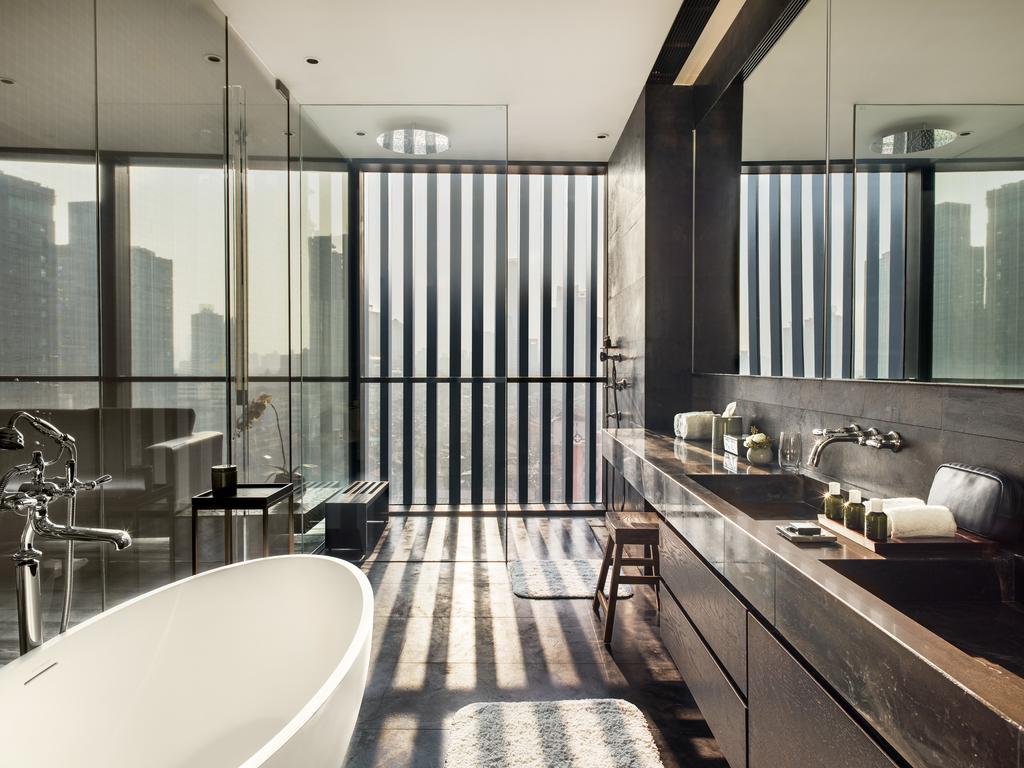
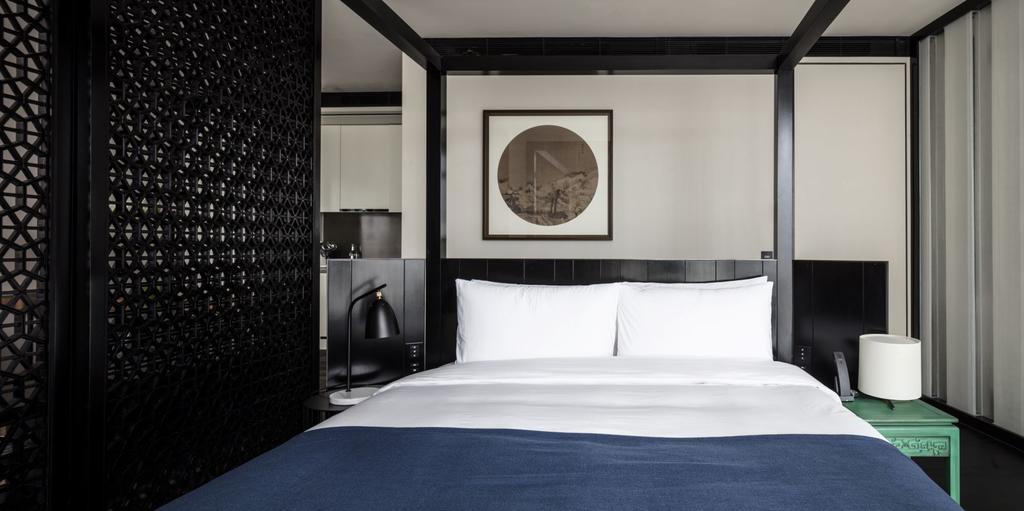
The 111 rooms and suites continue this quieter approach. Floor-to-ceiling windows make Shanghai itself one of the principal decorative elements, while generous proportions and sliding screens allow spaces to feel more like apartments than conventional hotel rooms. Stone bathrooms, freestanding bathtubs, timber details and beautifully considered furniture reinforce that residential character. There is luxury here, certainly, but not the gold-and-marble variety. The luxury is space, materials, silence and the ability to retreat from Shanghai without disconnecting from it.
Shanghai Around the Table
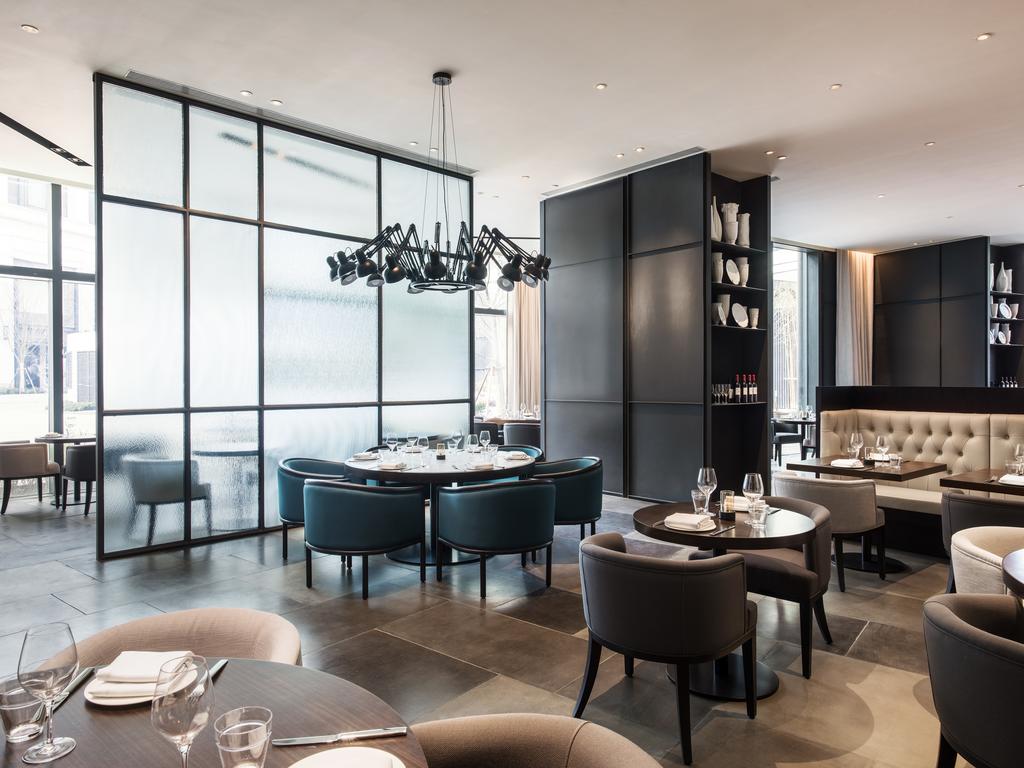
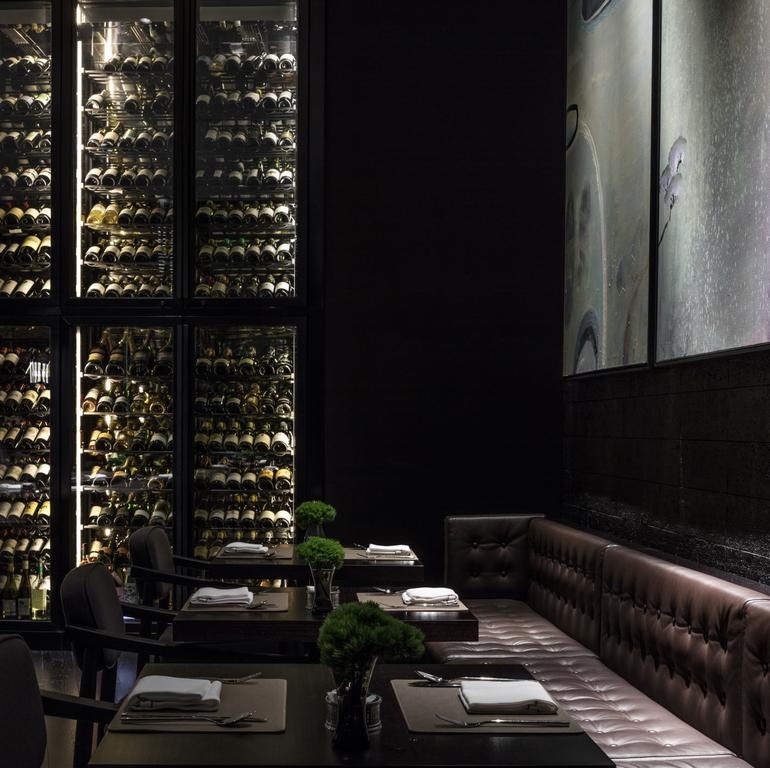
Food is an important part of the House experience. Sui Tang Li looks towards contemporary Chinese cooking, while Frasca brings a relaxed Italian sensibility to the hotel. Rather than existing as anonymous hotel restaurants, the spaces have their own identities and are designed to attract Shanghai residents as naturally as overnight guests. That distinction matters. A great city hotel should participate in its city, not simply observe it through floor-to-ceiling windows.
A Spa Hidden from Shanghai
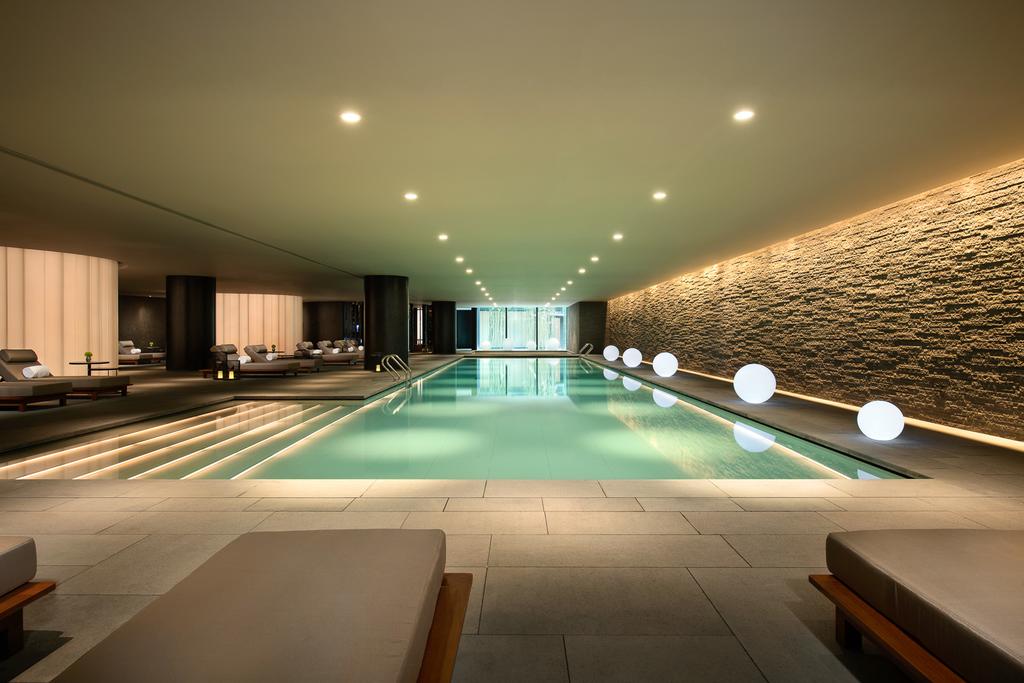
The transition is most complete at Mi Xun Spa. Here the pace drops considerably. Darker materials, subdued lighting and secluded spaces create a retreat from Jing’an’s constant movement, with treatments drawing on both contemporary wellness and traditional Chinese influences. The surrounding gardens and courtyards reinforce the sensation of having stepped somewhere else entirely. Outside: Shanghai. Inside: stillness.
The House Collective Philosophy
What makes Upper House Shanghai particularly interesting isn’t simply Lissoni’s interiors. It’s the combination of architecture, food, art and hospitality around a deliberately residential idea. The House Collective has never relied on the traditional visual vocabulary of grand hotels. Its properties are smaller in spirit, even when substantial in scale: fewer ceremonial gestures, fewer obvious declarations of luxury and more attention to how guests actually inhabit a space. In Shanghai, that philosophy finds an unusually appropriate setting. Because in a city built on movement, height and reinvention, perhaps the greatest luxury is somewhere that allows you to stop. Upper House Shanghai is Piero Lissoni at his most restrained: sophisticated without spectacle, international without losing its connection to China. A calm, beautifully composed house in the middle of one of the world’s most exhilarating cities.