Vik Chile – Colchagua Valley, Chile
A shimmering hilltop retreat where architecture, contemporary art and one of Chile’s most ambitious vineyards become inseparable.
Why DNA Hotels Loves It
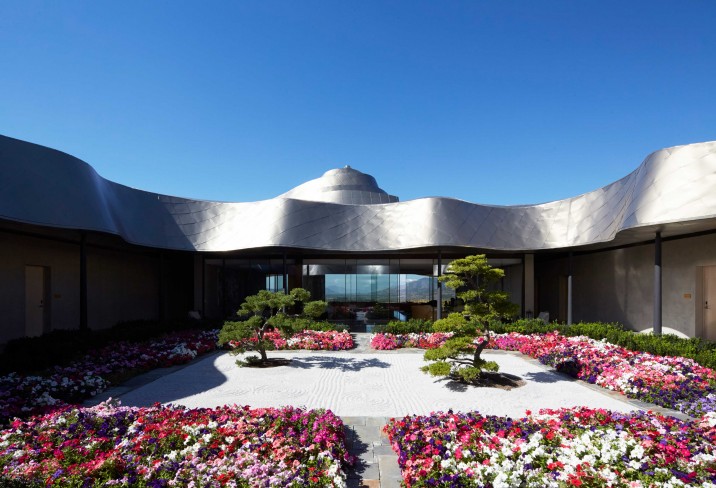
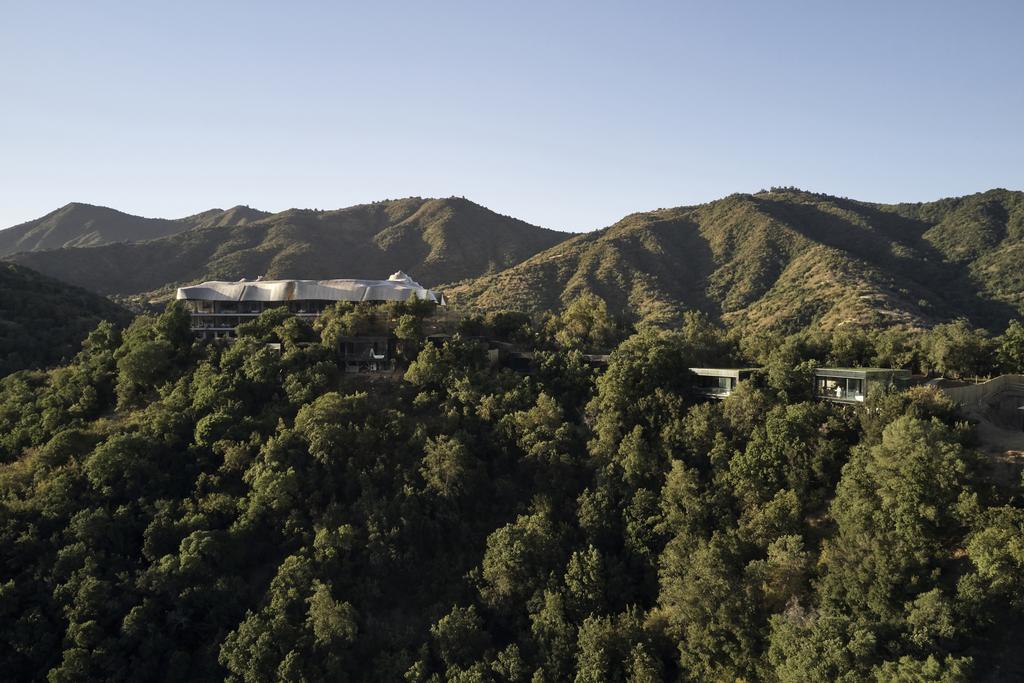
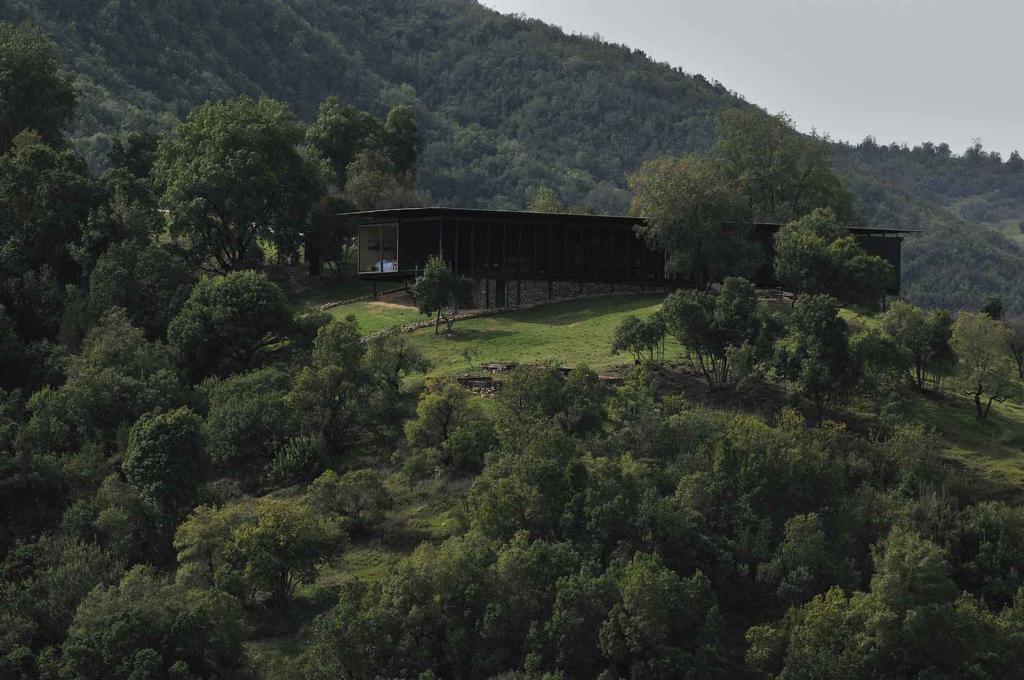
● Architect Marcelo Daglio’s extraordinary bronzed titanium roof ripples above the hilltop like another range of mountains, creating one of Chile’s most recognisable contemporary hotels.
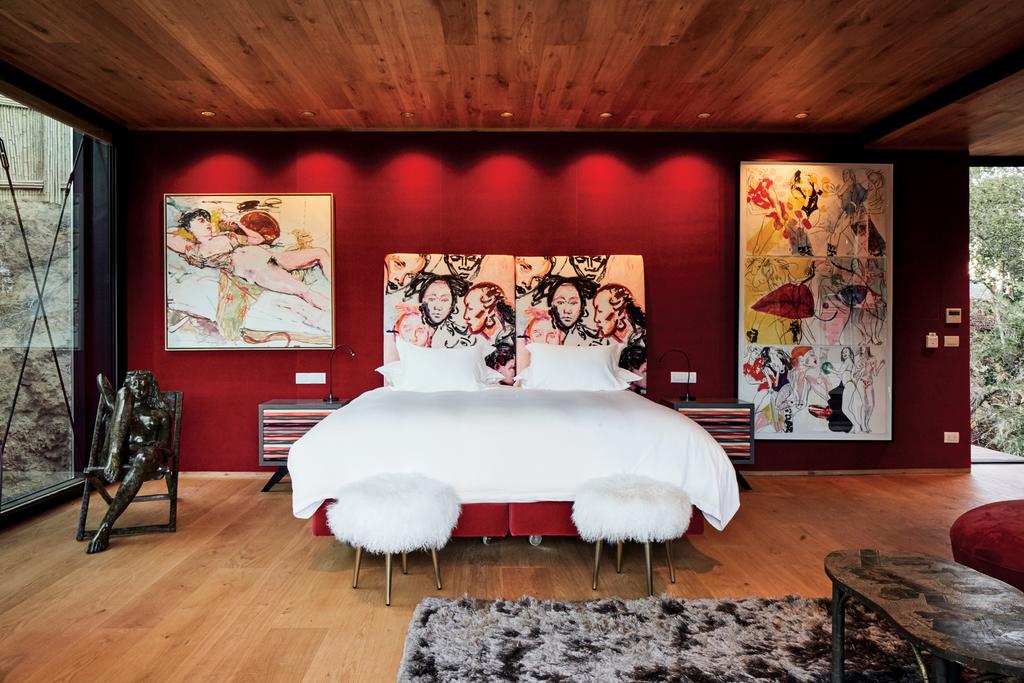
● Every suite is individually conceived with art and design at its centre, turning the hotel into an inhabitable collection rather than a sequence of identical luxury rooms.
● This is a genuine destination hotel: wine, architecture, art and 13,000 acres of extraordinary landscape are all part of the same experience.
A Hotel Above the Vines
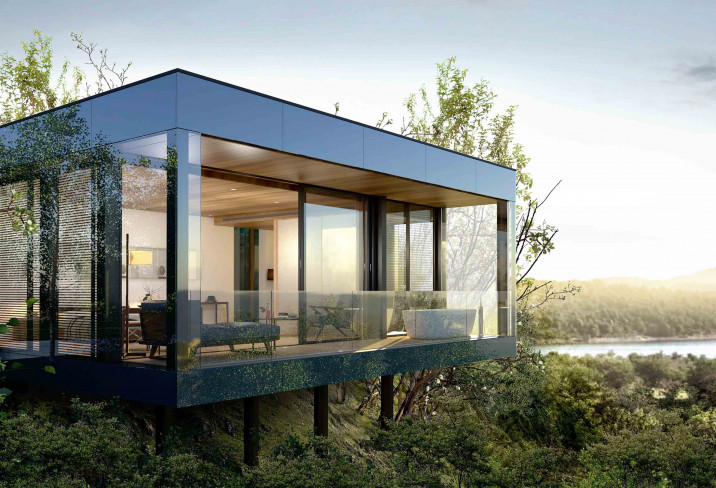
There are vineyard hotels. And then there is Vik Chile. Around two hours south of Santiago, the hotel occupies a hilltop above the vines, lakes and valleys of the vast Vik estate at Millahue. From here, the landscape seems to continue indefinitely towards the Andes. Architect Marcelo Daglio could easily have designed something discreetly rustic for such a setting. Instead, he put a piece of sculpture on top of the hill. A huge undulating roof of bronzed titanium floats above an extensively glazed structure, its waves mirroring the mountains on the horizon. Depending on the light, it shifts between gold, bronze and silver. You don’t simply arrive at Vik. You see it coming.
Walking Across Water
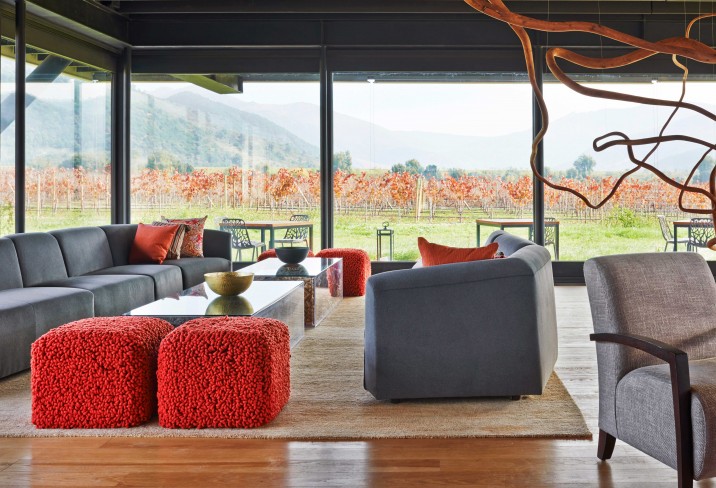
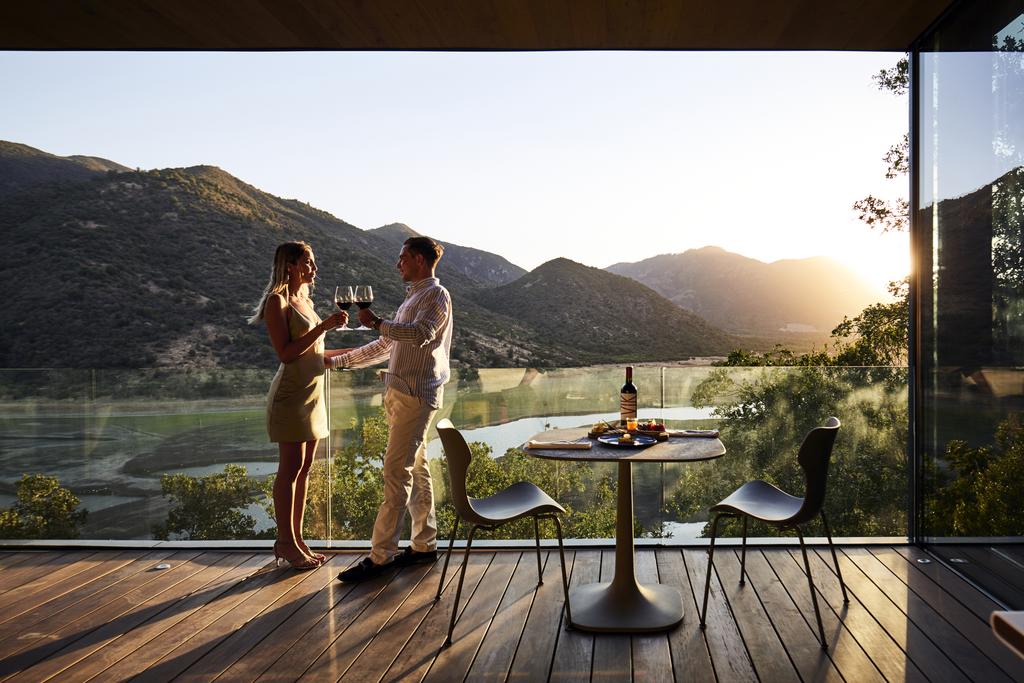
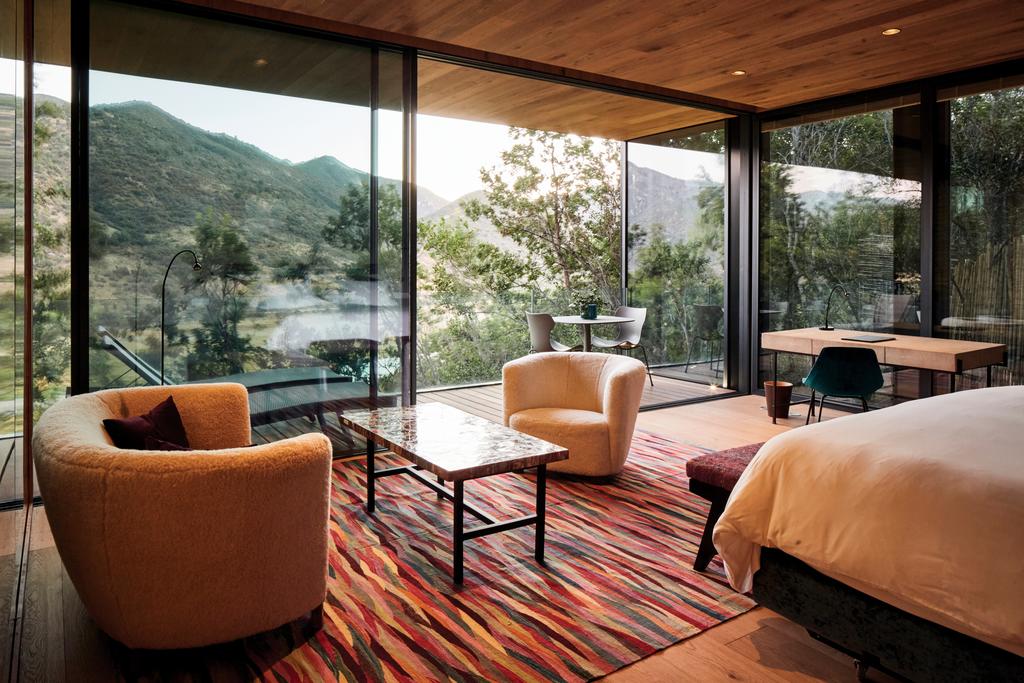
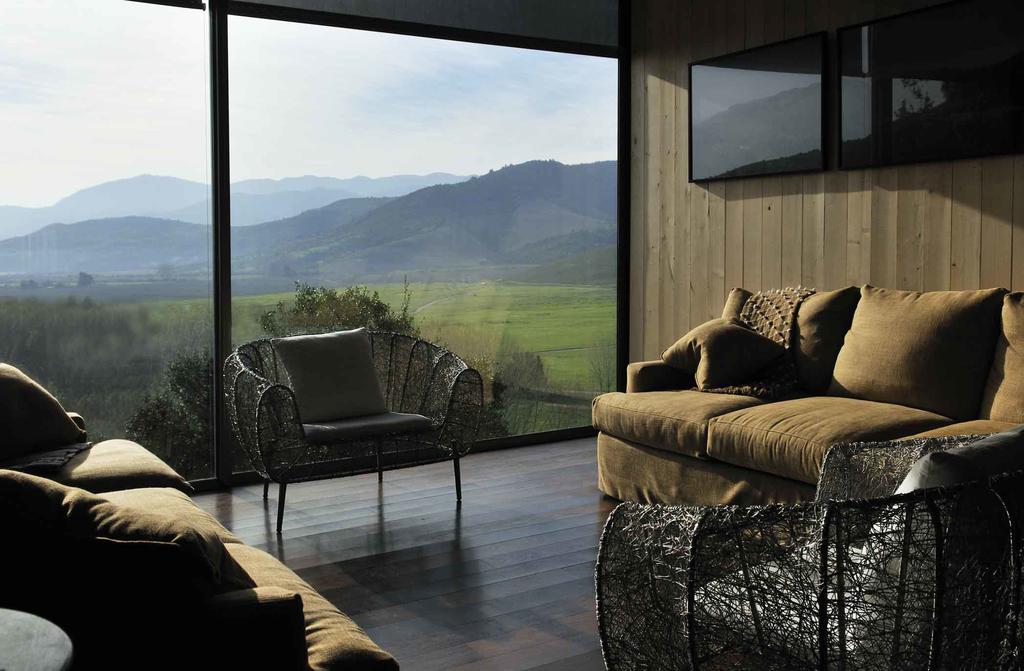
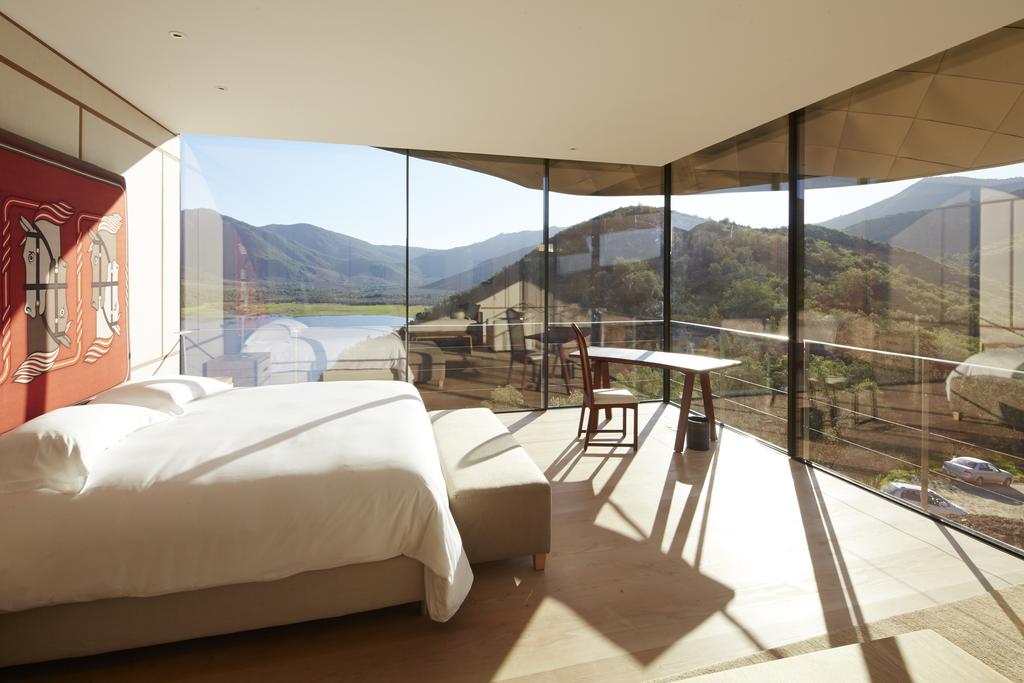
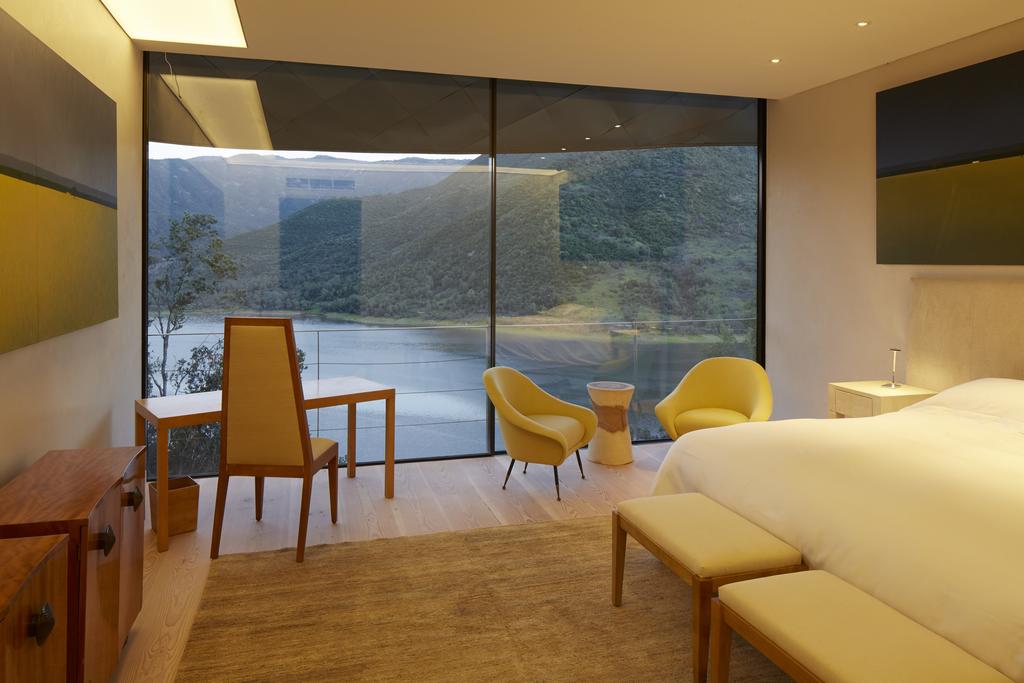
The drama continues before you’ve even entered. A walkway crosses a reflecting pool towards the entrance, separating the hotel from the landscape for a moment before reconnecting the two through glass. Inside, floor-to-ceiling windows ensure the architecture never competes successfully with the view — nor tries to. Vineyards roll down the hillsides. A lake occupies the valley below. Mountains frame the horizon. Daglio’s architecture becomes almost panoramic machinery: a structure designed to keep changing your relationship with the landscape as you move through it.
No Two Rooms Alike
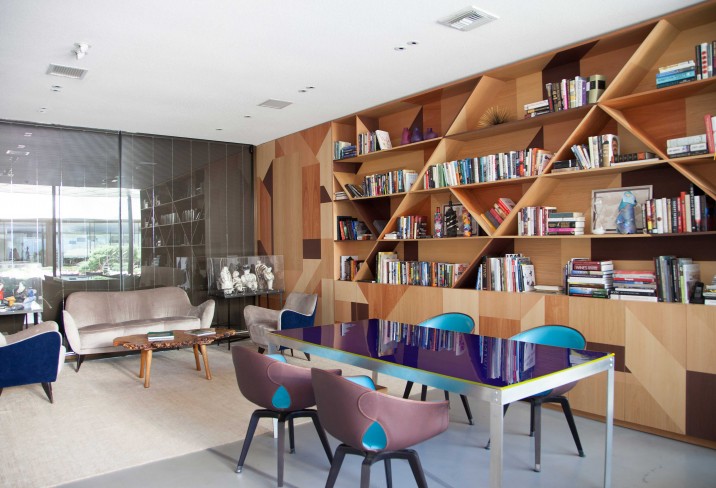
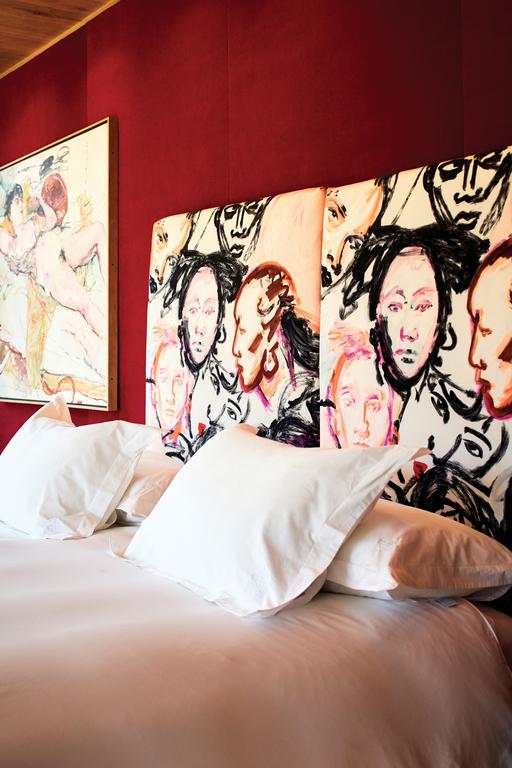
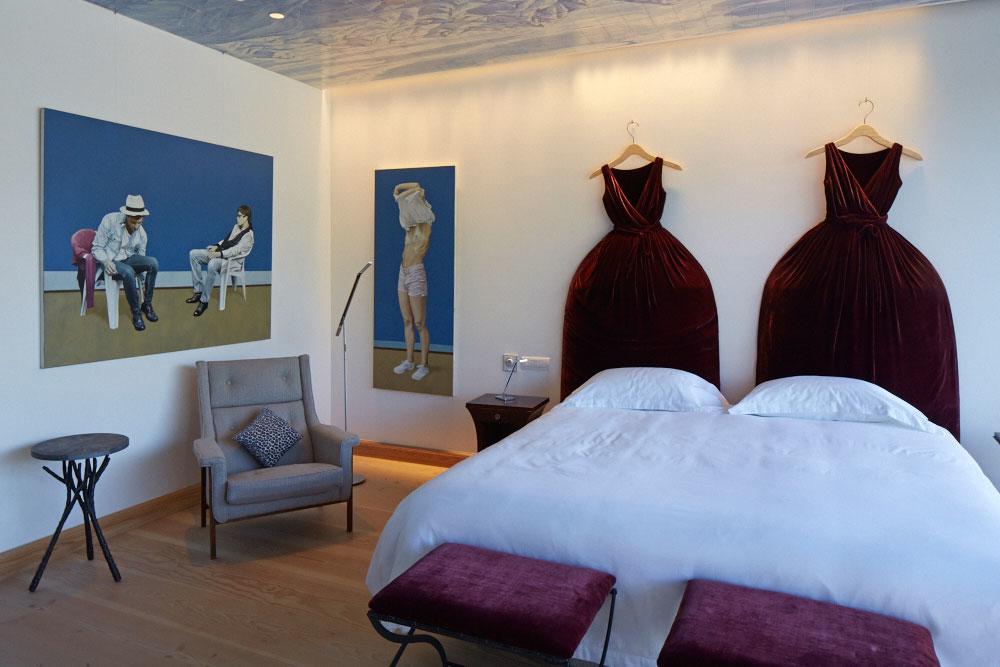
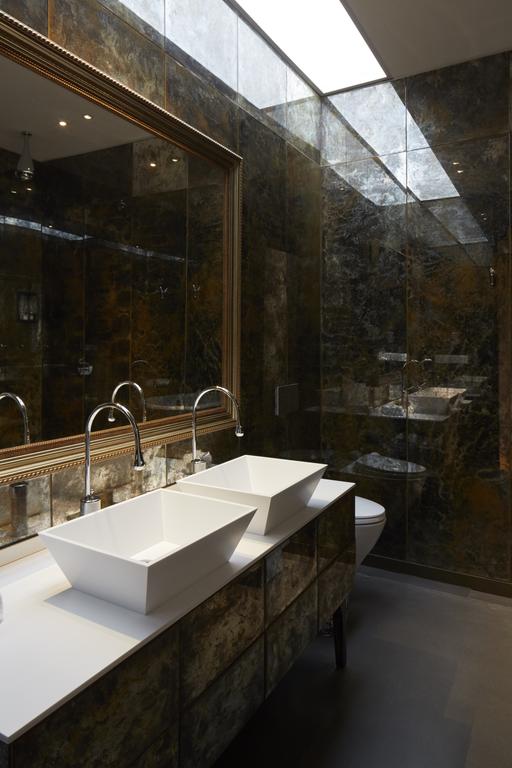
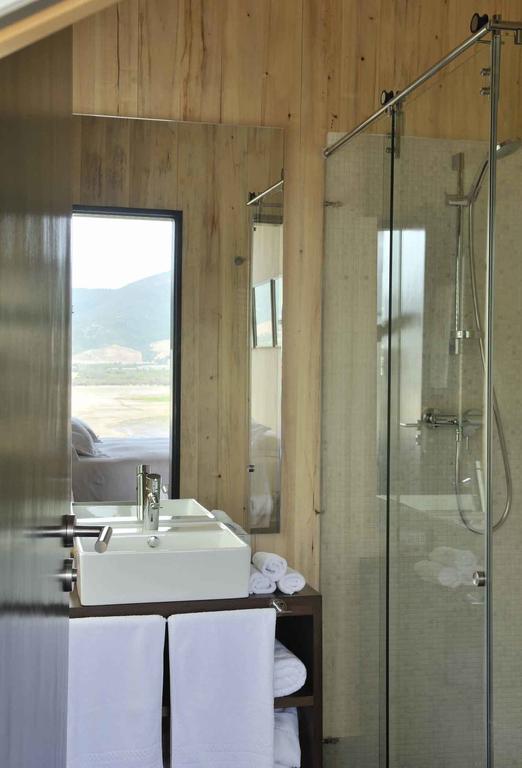
The guestrooms take a completely different approach from the architecture. Rather than impose a single interior design language, each suite has its own artistic identity. The Norge Suite references owner Alexander Vik’s Scandinavian heritage through Norwegian art and textiles. The Chile Suite turns towards local materials and craftsmanship, including sisal-covered walls and carved cork doors. Elsewhere, artists and designers experiment freely with colour, furniture, murals, textiles and objects. Some rooms are restrained. Others aren’t remotely interested in restraint. The four corner Master Suites exploit the building’s hilltop position most dramatically, opening towards expansive views of the valley and Andes. Freestanding baths become viewing platforms in their own right. It’s a risky approach — uniform good taste is considerably easier. But individuality is precisely the point.
Sleeping Inside an Art Collection
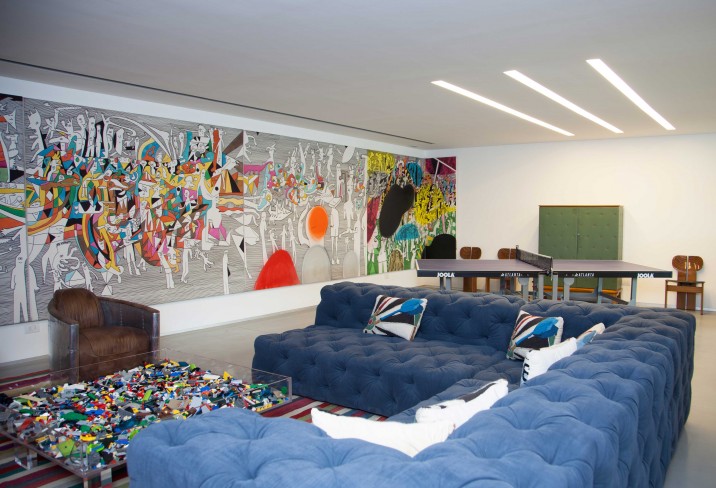
Art doesn’t stop at the bedroom door. Vik was conceived around the idea that architecture, wine and art should form a single experience, and works appear throughout the property rather than being confined to a conventional gallery. The collection reaches from Chilean artists to major international names, with Roberto Matta, Anselm Kiefer and James Turrell among the artistic references associated with the estate. Furniture becomes sculptural. Corridors become exhibition spaces. Courtyards and gardens become places for installations. The distinction between hotel and collection becomes deliberately blurry. And unlike a museum, you’re allowed to wander through it in a bathrobe.
The Vineyard Came First
The most important work of design at Vik may actually be the landscape. Before producing wine, Alexander Vik assembled specialists in climate, geology, viticulture and winemaking to search for a site capable of producing exceptional wine. They eventually settled on Millahue — meaning “place of gold” — in the Cachapoal Valley. The estate encompasses thousands of acres, but only selected areas are planted with vines, allowing the surrounding native landscape to remain a fundamental part of the property. That makes wine here more than an amenity. It’s the reason the place exists.
Wine as Architecture
The winery itself continues the architectural story. Guests can explore the vineyards and winemaking process before tasting the estate’s wines, making the relationship between what you see through the hotel windows and what eventually appears in your glass unusually tangible. The experience reveals just how much calculation lies behind something that can appear effortless: soil studies, microclimates, grape varieties, blending and ageing all become part of understanding the landscape. Back at the hotel, tastings turn that science into something considerably more pleasurable.
From Horseback to Infinity Pool
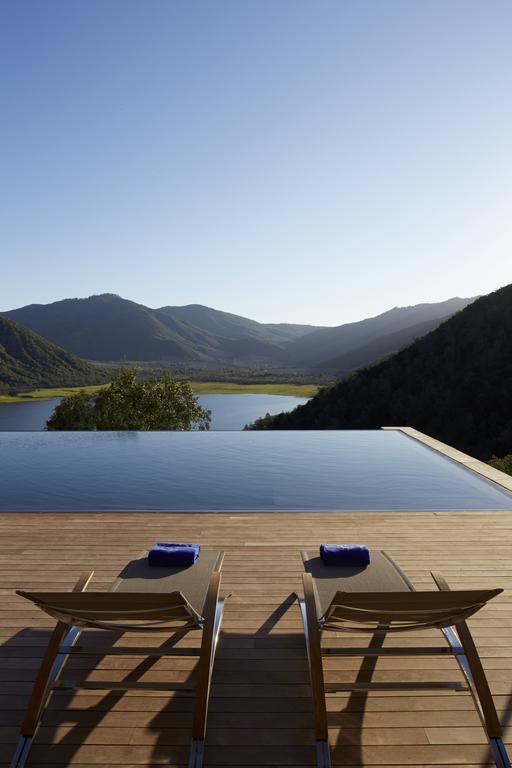
The scale of the estate means staying here isn’t necessarily a sedentary affair. Horseback rides with Chilean huasos head through the property, while hiking and mountain-bike trails lead between vineyards, valleys and surrounding hills. Then there is the infinity pool. Cantilevered above the hillside, it seems to project directly into the landscape, with the lake and vineyards stretching below. Few hotel pools have a better excuse for doing absolutely nothing.
Wine Goes to the Spa
Even wellness returns to the vineyard. The Wine Spa uses grape-derived ingredients, seeds and oils alongside specialist skincare products for massages, facials and body treatments. It’s an obvious idea for a wine estate, but here it makes conceptual sense: almost every part of the hotel keeps redirecting attention towards the land on which it stands. There’s also a sauna, fitness facilities and spaces for quieter treatments. But Vik’s most effective wellness facility may simply be its acreage.
Dinner with the Terroir
Food follows the same philosophy. Menus draw heavily on South American flavours, local produce, seafood, fish and grilled meats, with Vik’s wines naturally forming the backbone of the experience. Meals can move between terraces, indoor dining rooms and more secluded outdoor settings around the estate. And when dinner finishes, there’s another advantage to being far from Santiago. Darkness. Under clear conditions, the night sky above Millahue becomes part of the show.
When the Hotel Is the Destination
Vik Chile isn’t particularly interested in functioning as a luxurious base from which to explore somewhere else. The vineyard is the destination. The architecture is the destination. The collection is the destination. Even travelling between them — on foot, bicycle or horseback — becomes part of staying here. Vik Chile succeeds because its extravagance has a purpose. Marcelo Daglio’s extraordinary titanium roof announces the hotel from across the valley, but once inside, the architecture continually turns your attention back towards the vineyards and Andes. Add individually designed art-filled suites, an ambitious wine estate and thousands of acres to explore, and the result feels less like a conventional resort than a creative world assembled around one landscape. Come for the wine if you like — but this is one vineyard hotel where the building itself deserves equal billing with what’s in the bottle.