Villa Argentina – Dubrovnik, Croatia
Dubrovnik’s grande dame returns, with Adriatic views, Mediterranean gardens and a carefully restored modern soul
Why DNA Hotels Loves It
● One of Dubrovnik’s great historic hotels returns in August 2026 after a major transformation by Croatian architecture studio 3LHD, preserving the character of the original villa while radically improving its relationship with the sea and gardens.
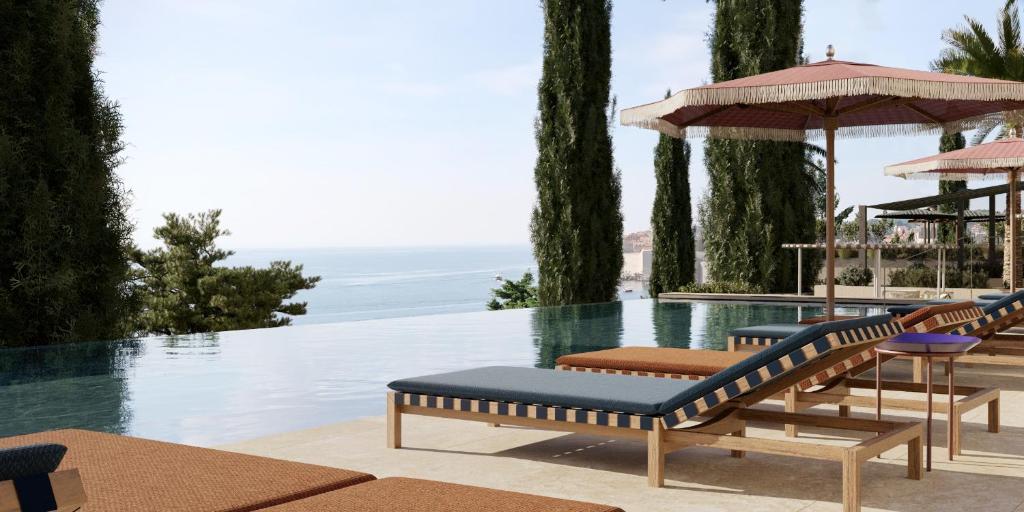
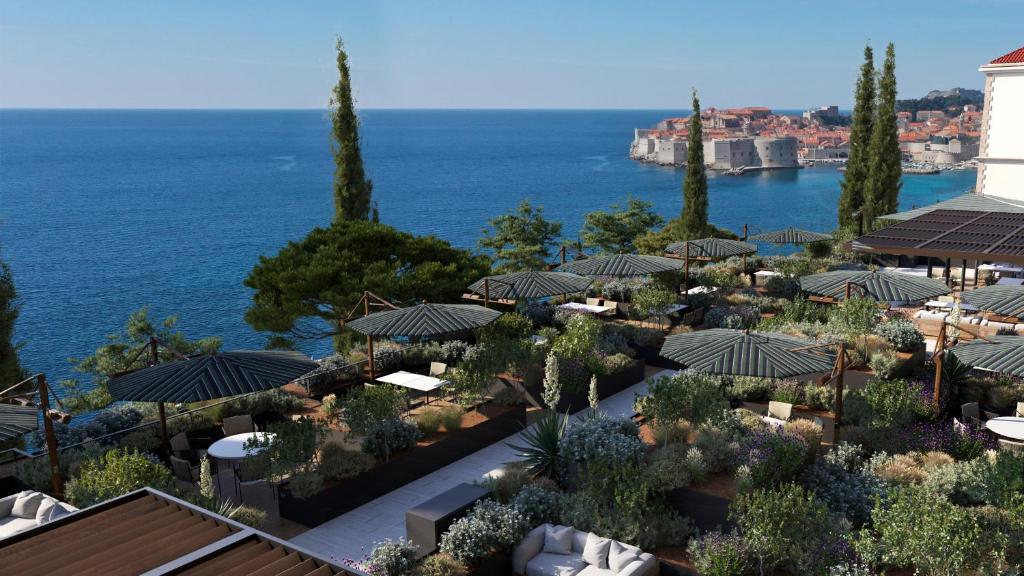
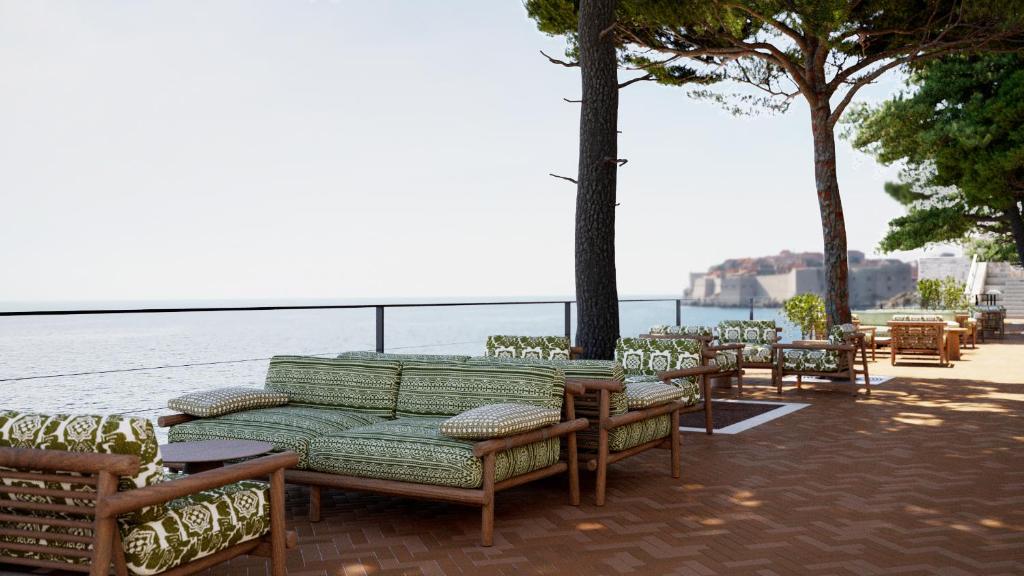
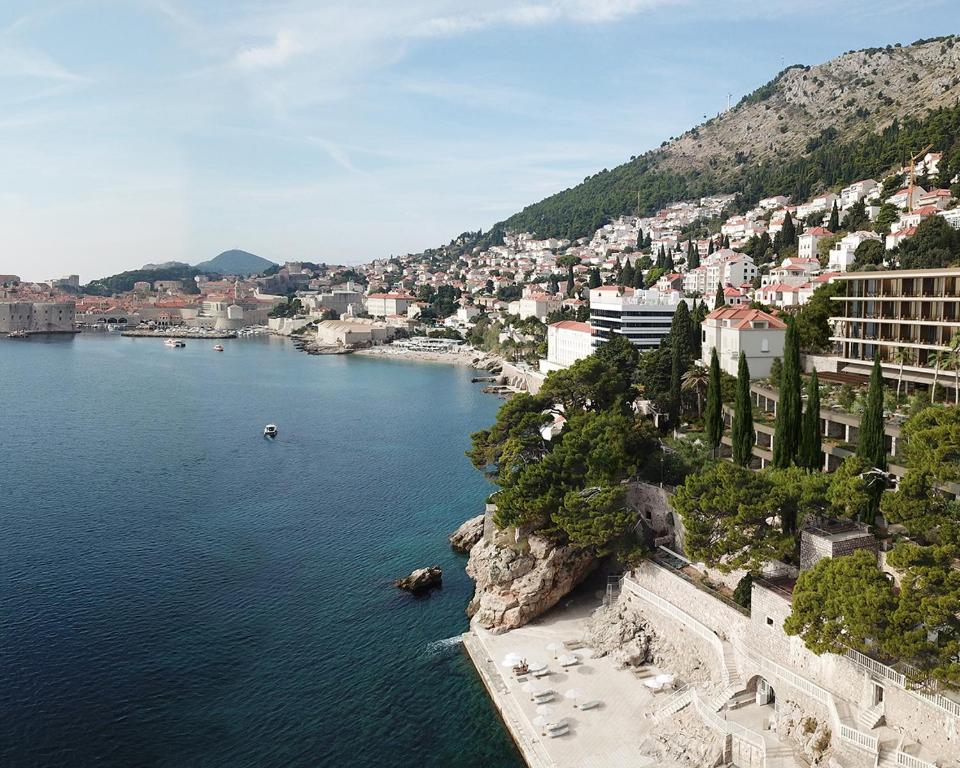
● Its position is extraordinary: Mediterranean terraces descend towards the Adriatic, with uninterrupted views across Lokrum Island to Dubrovnik’s UNESCO-listed Old Town.
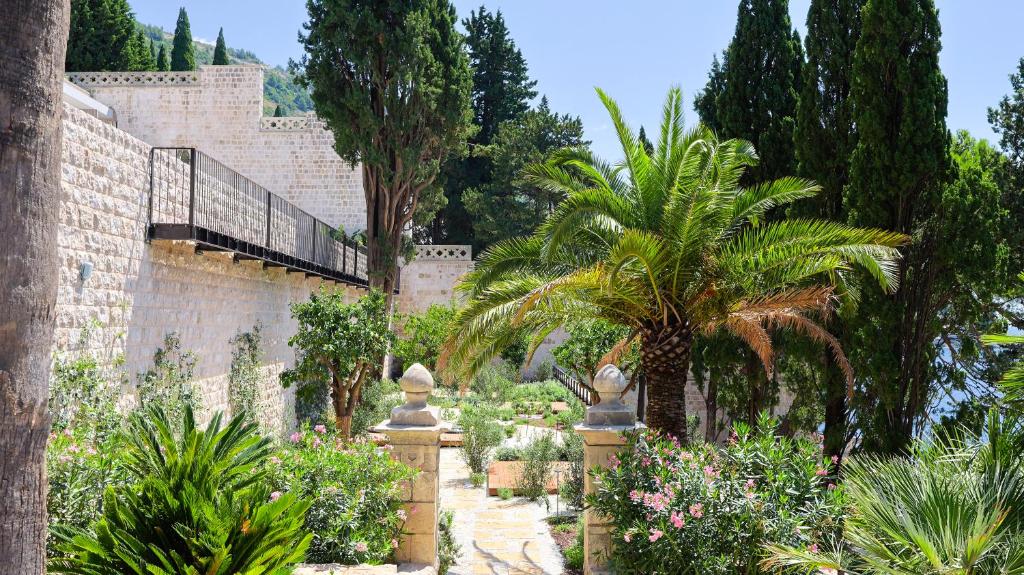
● Local stone, wood and ceramics, more than 14,000 Mediterranean plants and the restored Dubrovnik Variations mosaic by Croatian artist Ivo Dulčić make this a renovation genuinely rooted in Dubrovnik rather than generic resort luxury.
A Dubrovnik Classic Returns
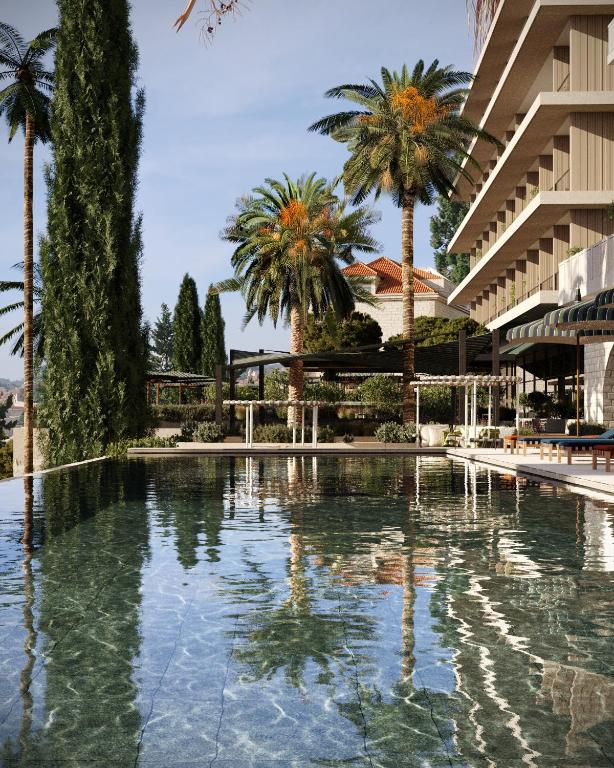
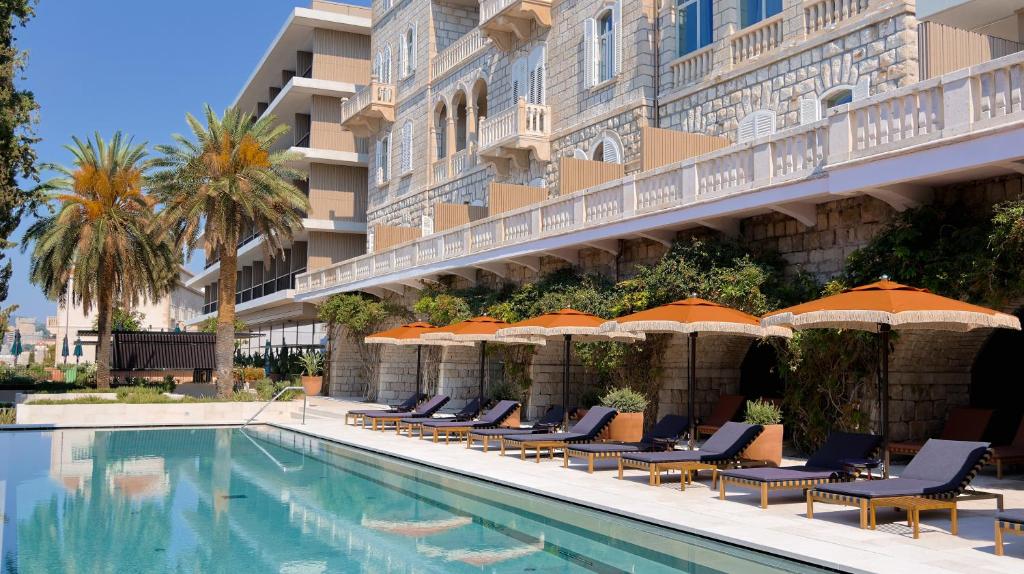
Some hotels have a great location. Villa Argentina has one of those locations that almost seems unfair. Set on a limestone bluff just outside Dubrovnik’s Old Town, the hotel looks directly across the Adriatic towards Lokrum Island, the medieval city walls and the terracotta rooftops of Dubrovnik. Behind and below it, extensive Mediterranean gardens tumble down towards the water. And in summer 2026, one of the city’s best-known hotels returns after a multiyear reconstruction. This isn’t intended as a reinvention that wipes the slate clean. The ambition has been more interesting: to understand what made Villa Argentina special in the first place, preserve it, and bring the various architectural layers of the property together as one coherent hotel.
From Private Villa to Adriatic Grande Dame
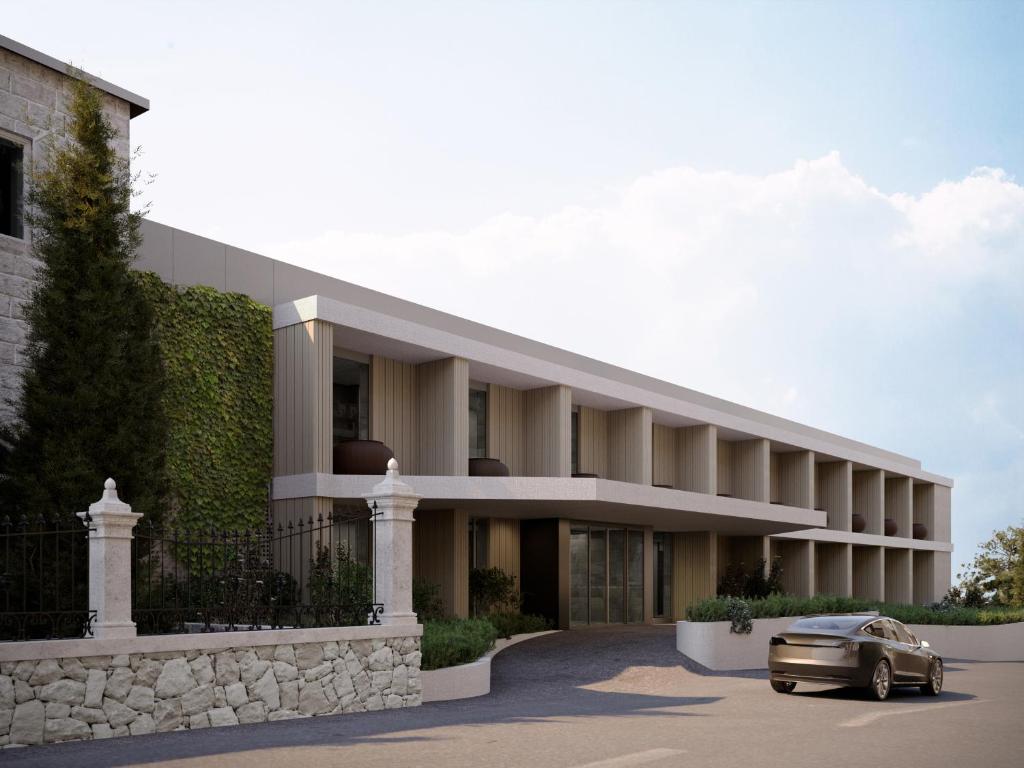
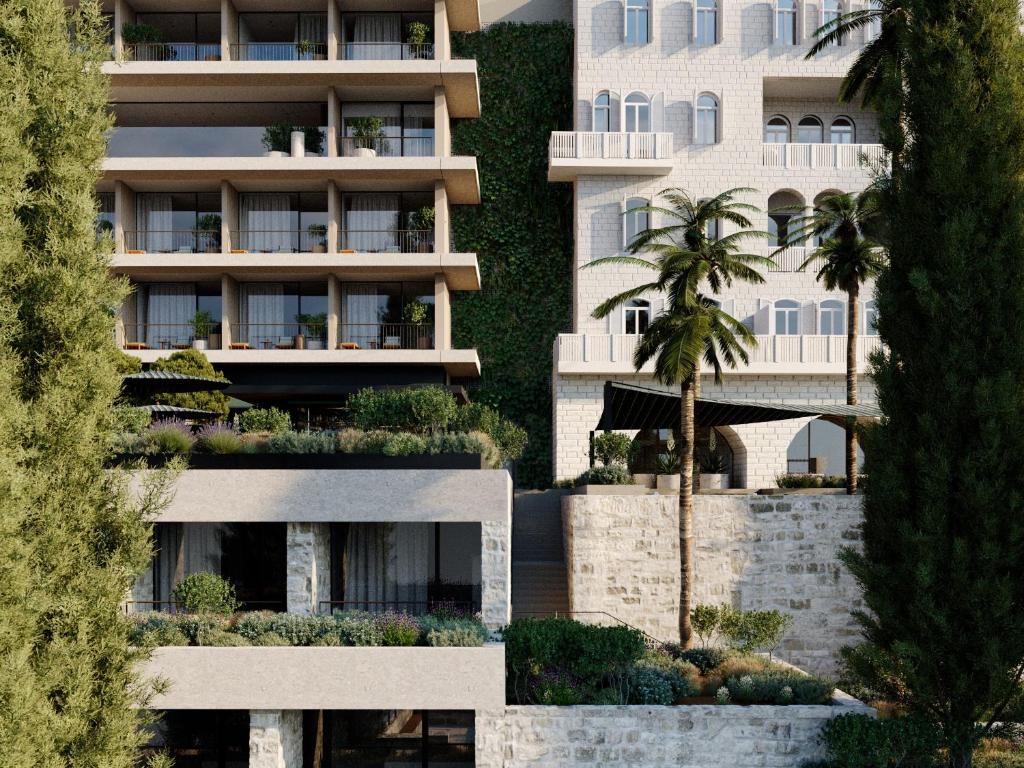
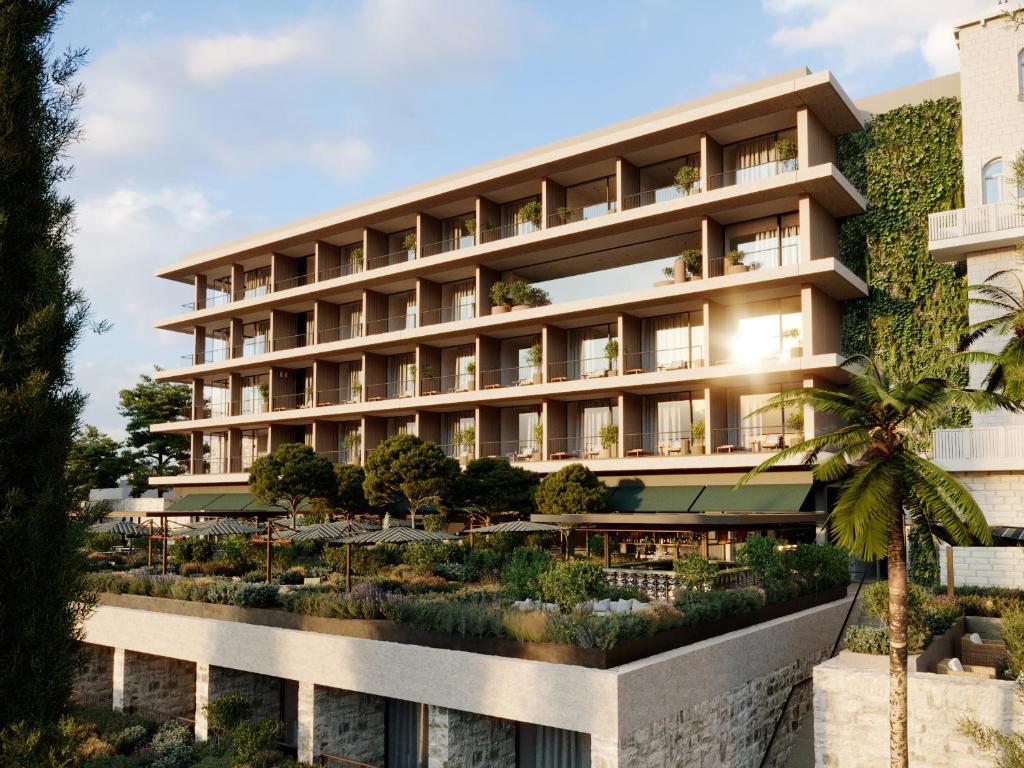
The story began more than a century ago. Built as a private residence in the early 20th century, Villa Argentina was later transformed into a guesthouse and eventually became one of Dubrovnik’s landmark luxury hotels. Over time, neighbouring villas joined the larger complex, creating an unusual collection of buildings rather than a conventional purpose-built resort. That history is still legible. For the transformation, Croatian architecture practice 3LHD worked with the existing villas rather than trying to disguise their different periods. Lead architect Marko Dabrović, who grew up in the neighbourhood, approached the project with an unusually personal understanding of both the building and its place within Dubrovnik. The new architecture acts as the connective tissue. A contemporary hotel volume links Villa Argentina and its historic neighbours, its lower section embedded into the garden walls while the upper volume takes on the proportions of another villa. Underground connections allow guests to move between spaces without interrupting the gardens above. Old and new are deliberately allowed to remain visible.
That View
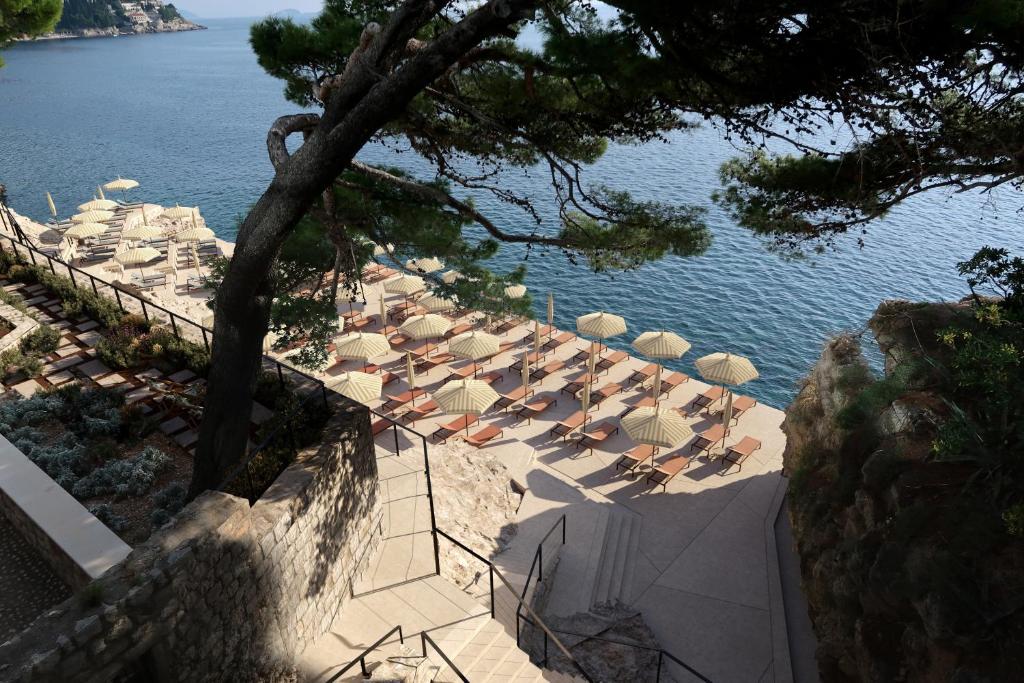
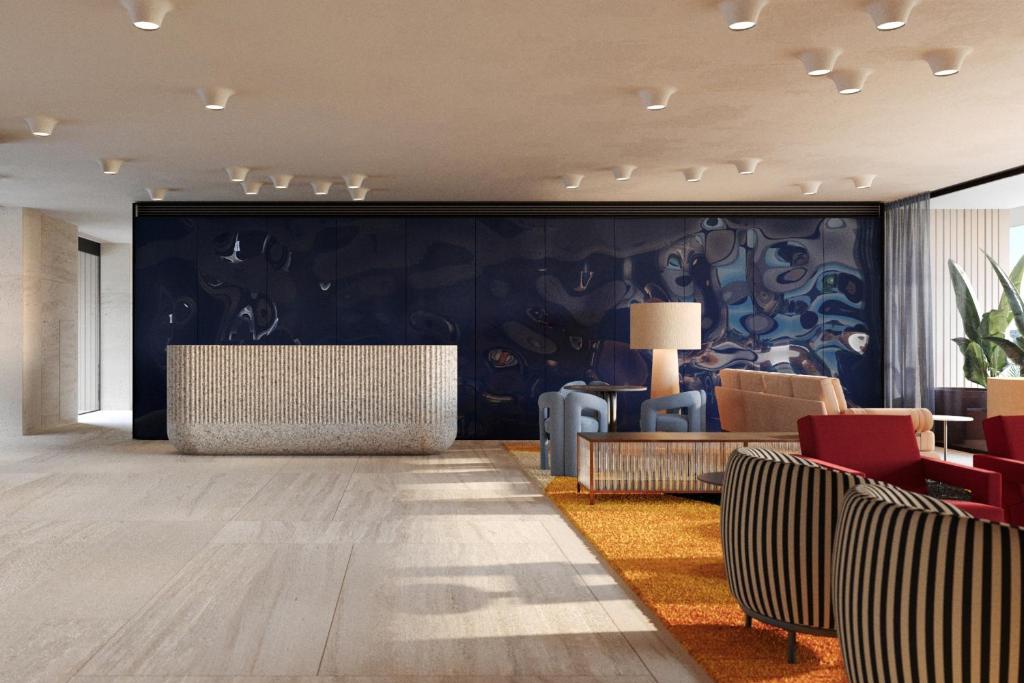
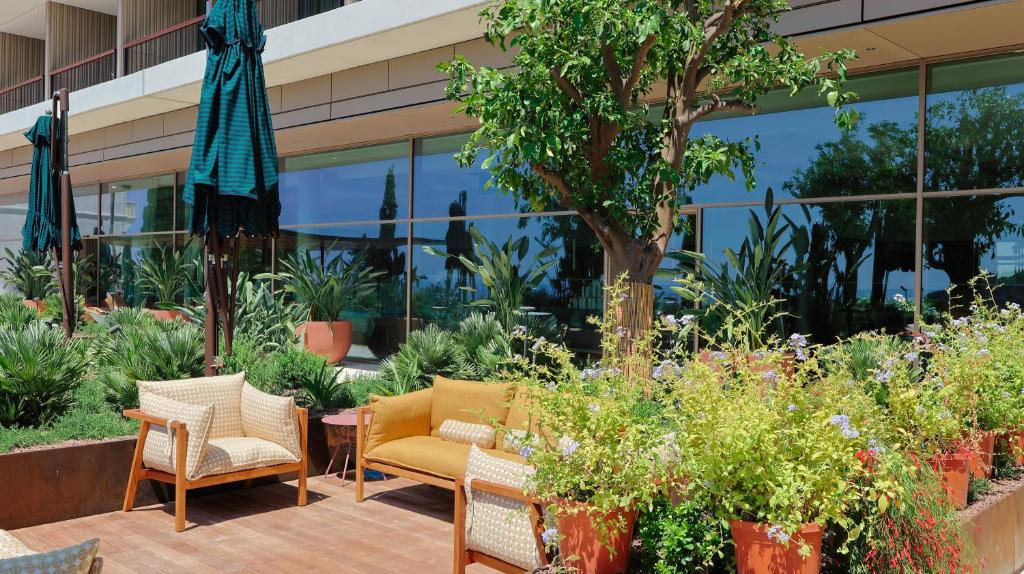
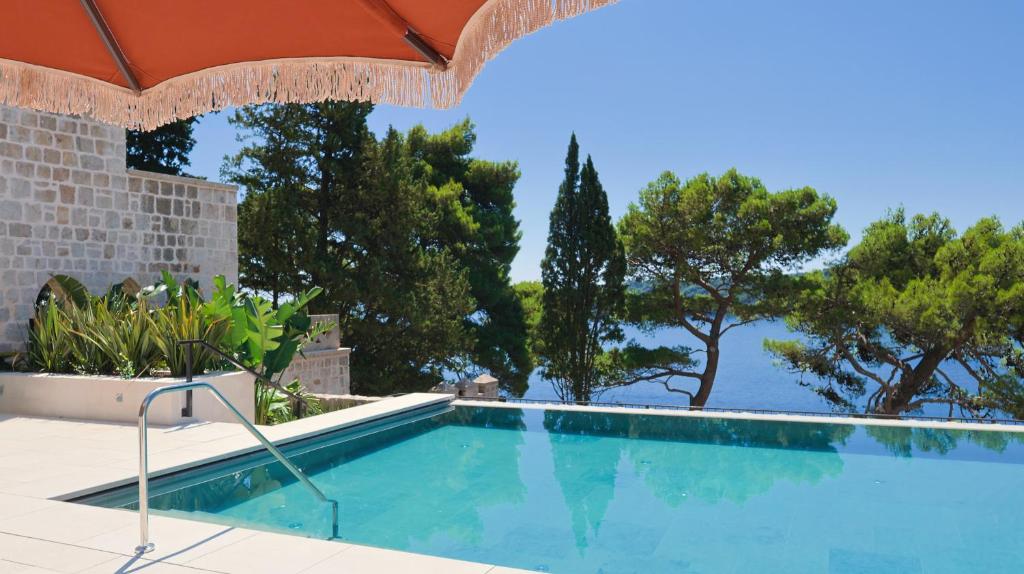
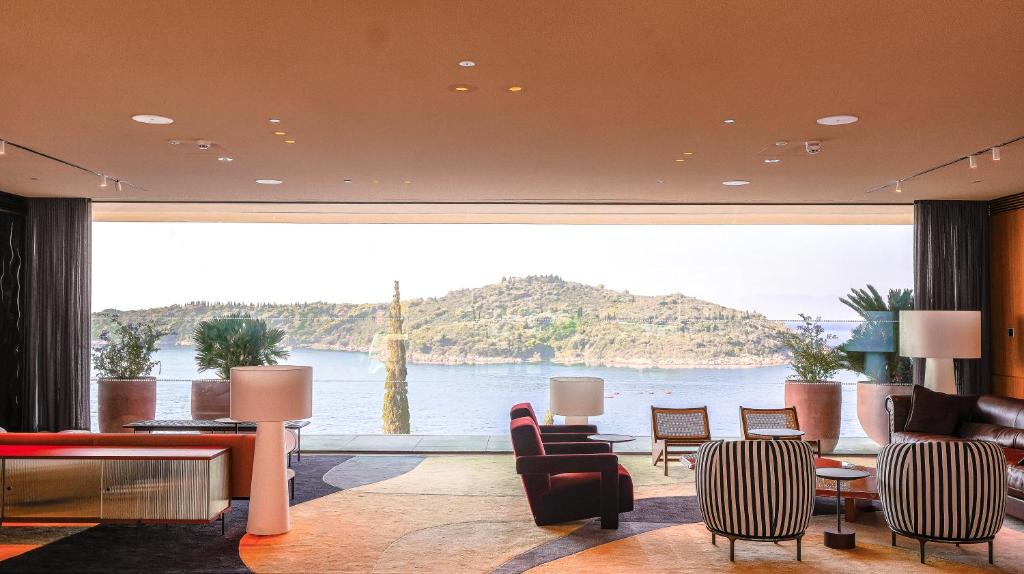
Arrival has been completely reconsidered. Enter at street level and the reception opens towards a 12-metre-wide wall of glass, immediately revealing the Adriatic and Lokrum beyond. It’s a wonderfully simple piece of theatre. Instead of making the lobby itself the spectacle, the architecture points your attention outside—to the reason this hotel could only ever exist here. From there, the complex descends towards the sea through terraces, gardens and interconnected buildings. A new green plateau brings Villa Orsula, the restaurant terrace and outdoor pool onto the same level, while an elevator takes guests directly down towards the shoreline. The landscape is architecture here too. More than 14,000 Mediterranean plants have been introduced, including bitter orange, bougainvillea, lavender, rosemary and sage. Stone recovered during construction has been reused on the lower terraces, helping the new interventions settle back into a landscape that has been developing for generations.
Dubrovnik, Without the Pastiche
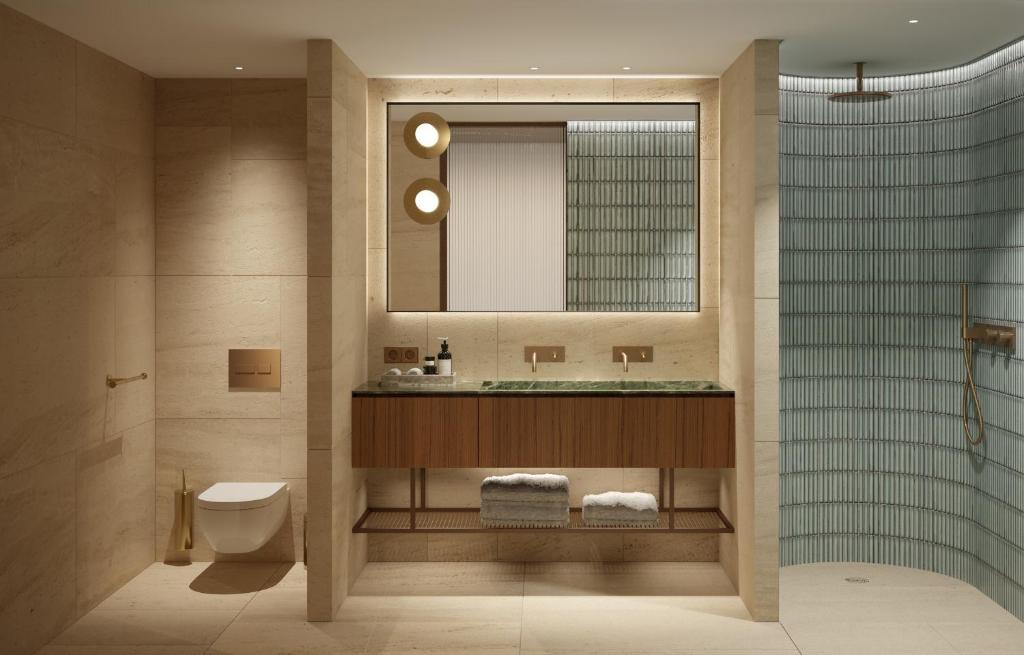
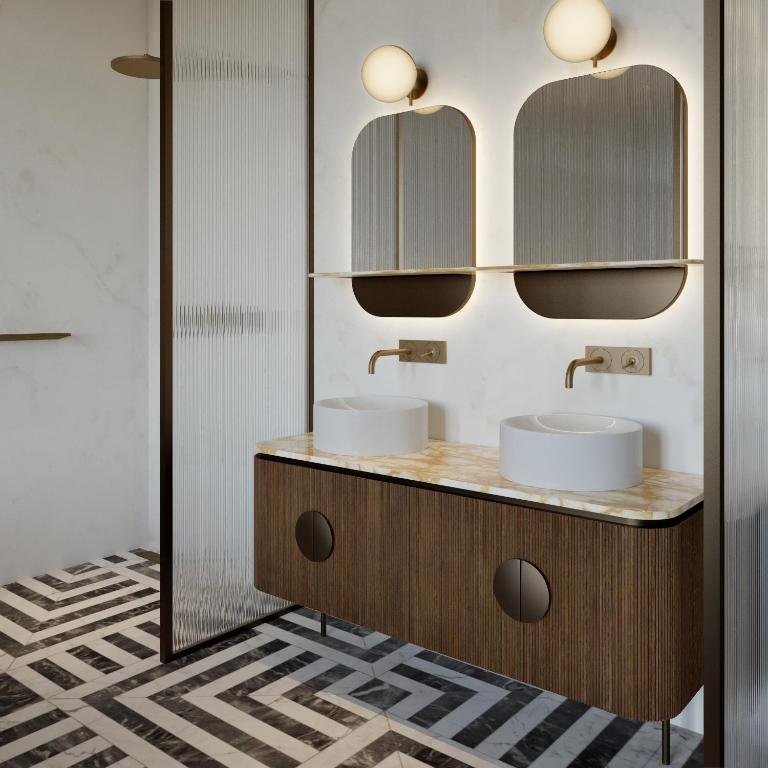
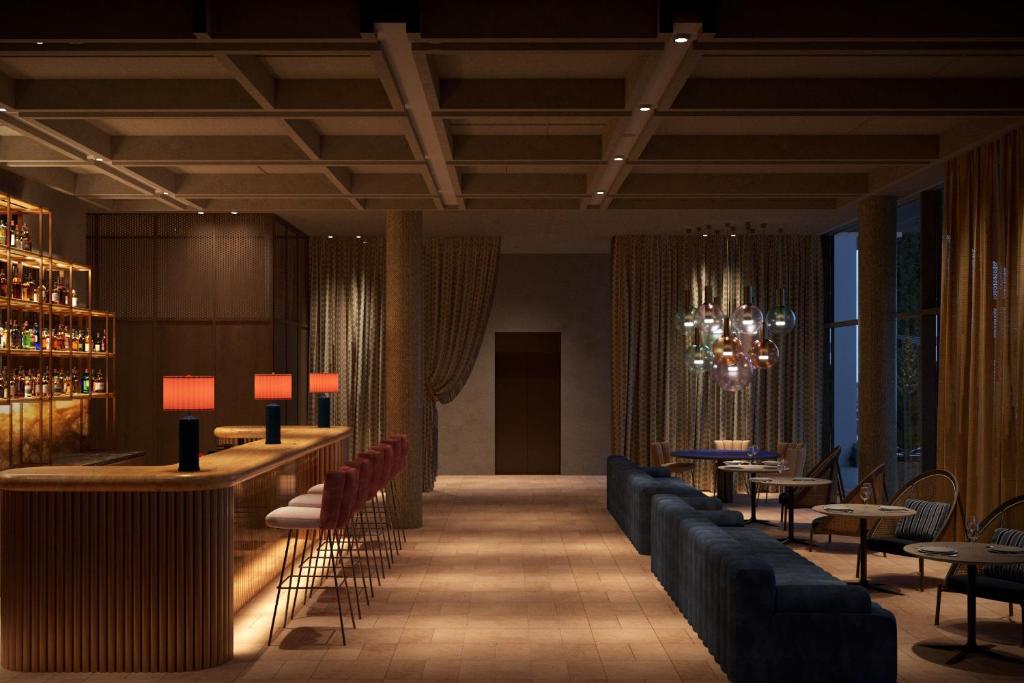
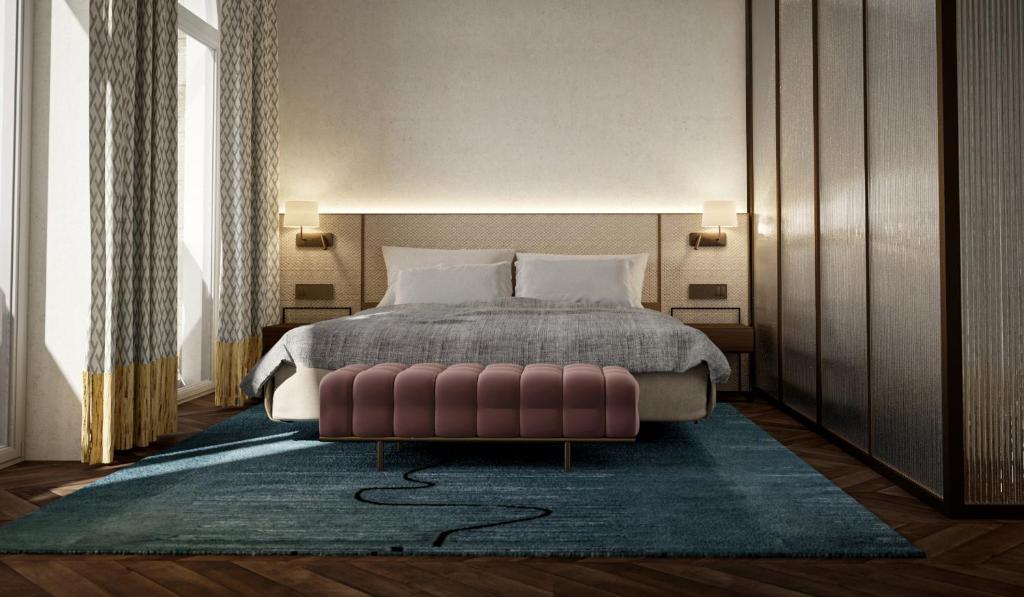
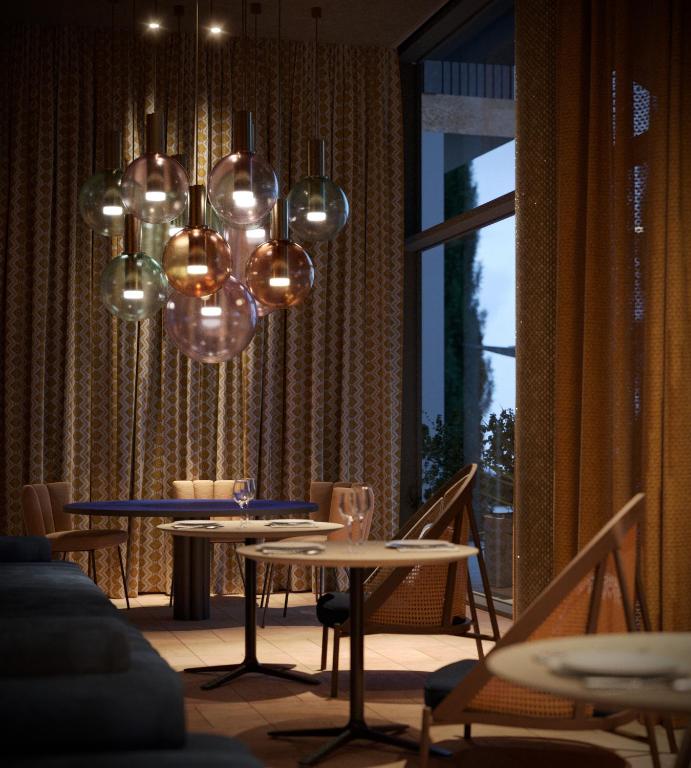
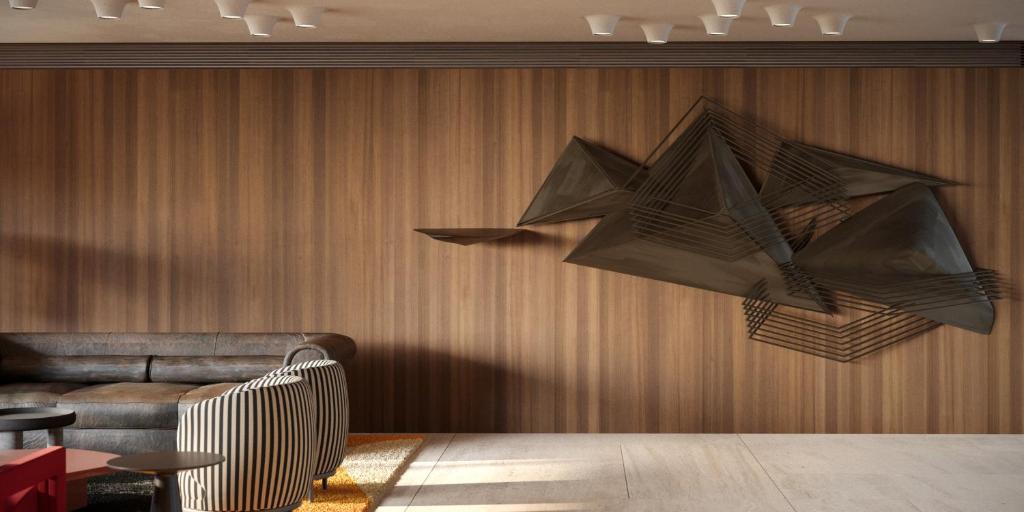
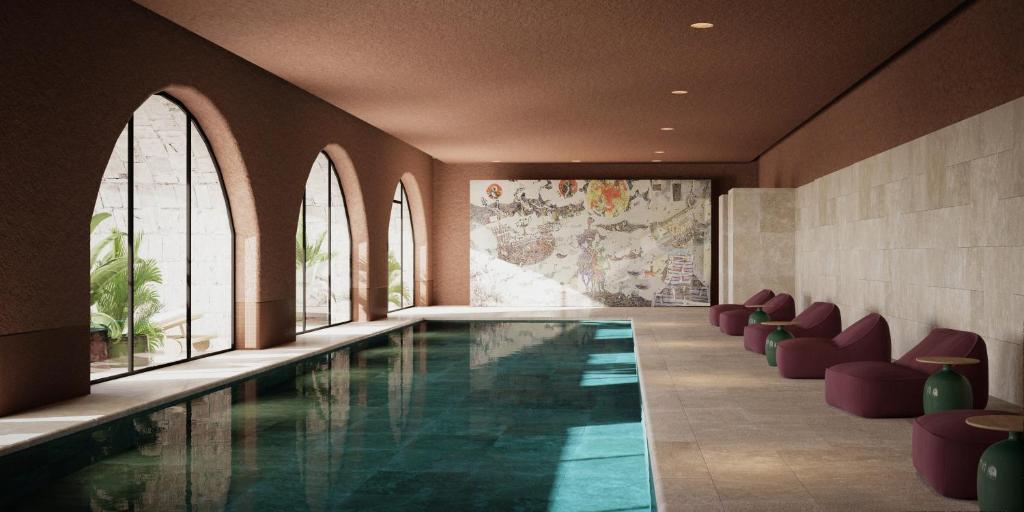
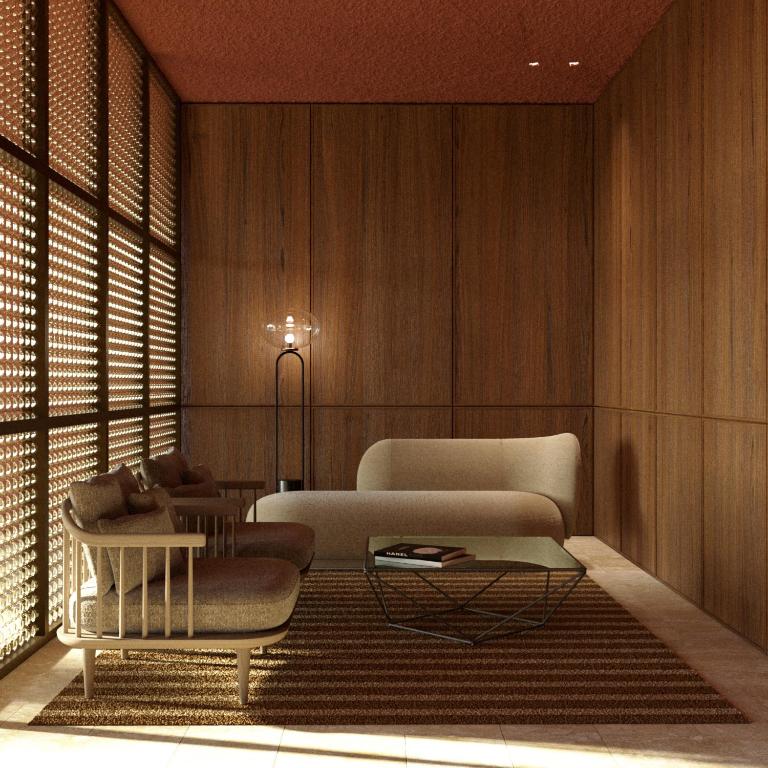
Inside, the designers faced a familiar heritage-hotel dilemma. How do you reference Dubrovnik’s extraordinary history without turning the hotel into a theatrical recreation of it? Their answer is contrast. Natural stone, locally sourced wood and ceramics connect the interiors to Dalmatian building traditions, while richer colours and bolder accents introduce something less expected: the freedom and optimism of the 1970s. The result should feel layered rather than historically obedient—contemporary rooms and public spaces sitting comfortably inside architecture that has accumulated stories for more than a century. One particularly important piece has survived the transformation. Ivo Dulčić’s Dubrovnik Variations, a historic mosaic by one of Croatia’s significant 20th-century artists, has been restored and incorporated into the new wellness area. It’s precisely the kind of detail we love: heritage treated as something to live with rather than something to put behind glass.
96 Rooms, Framed by the Adriatic
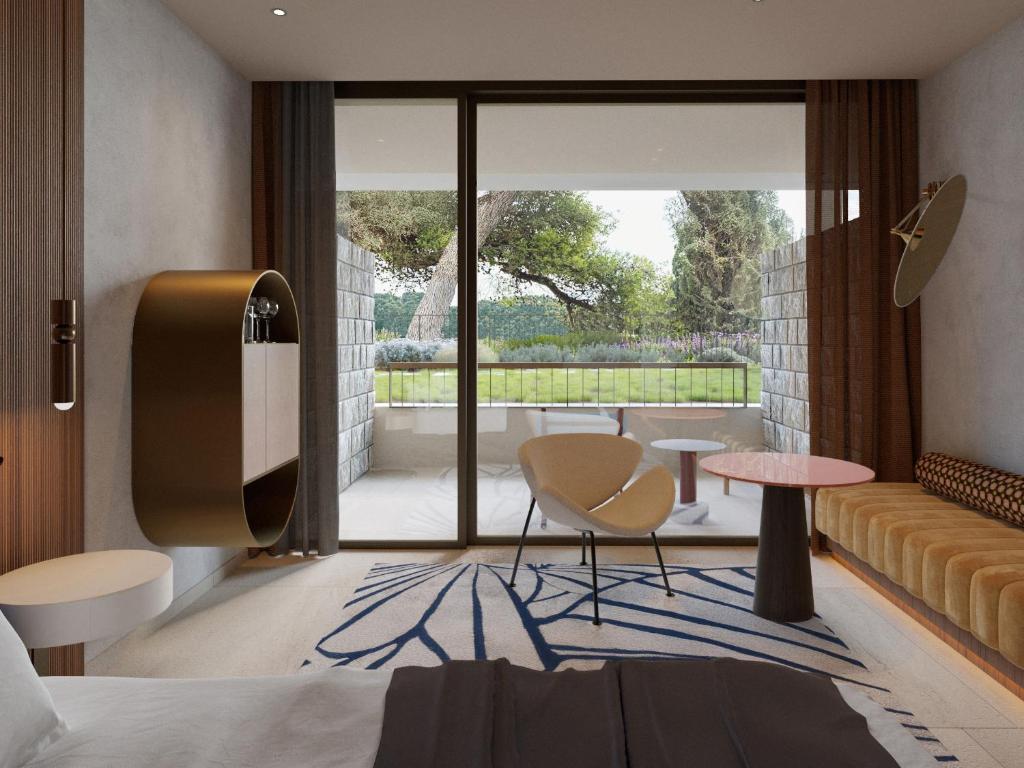
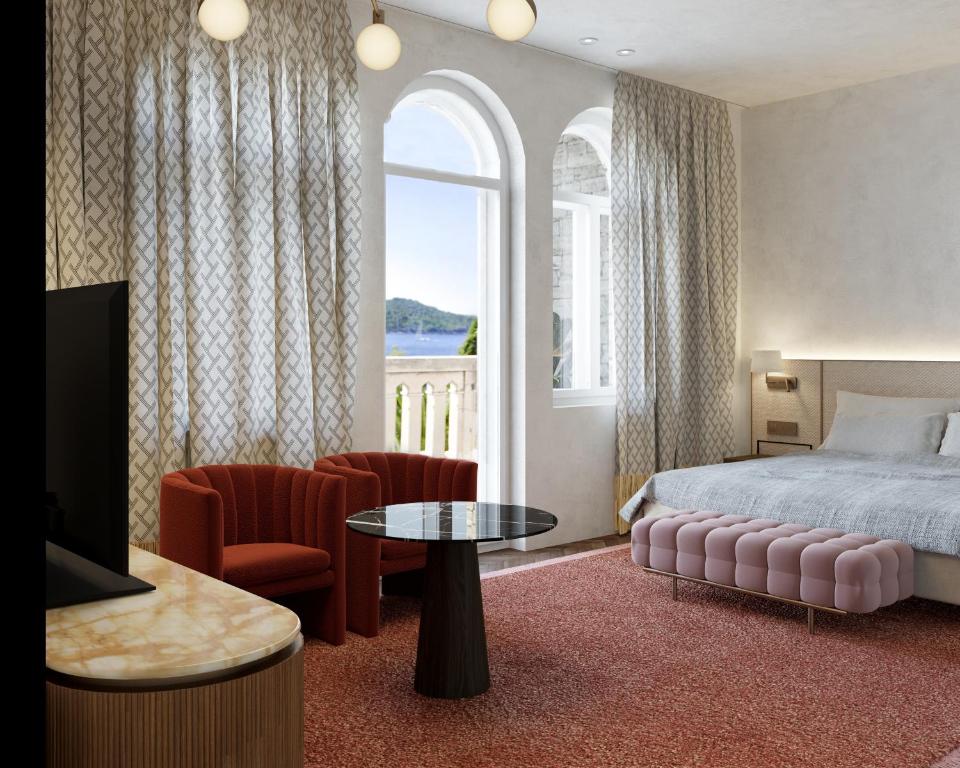
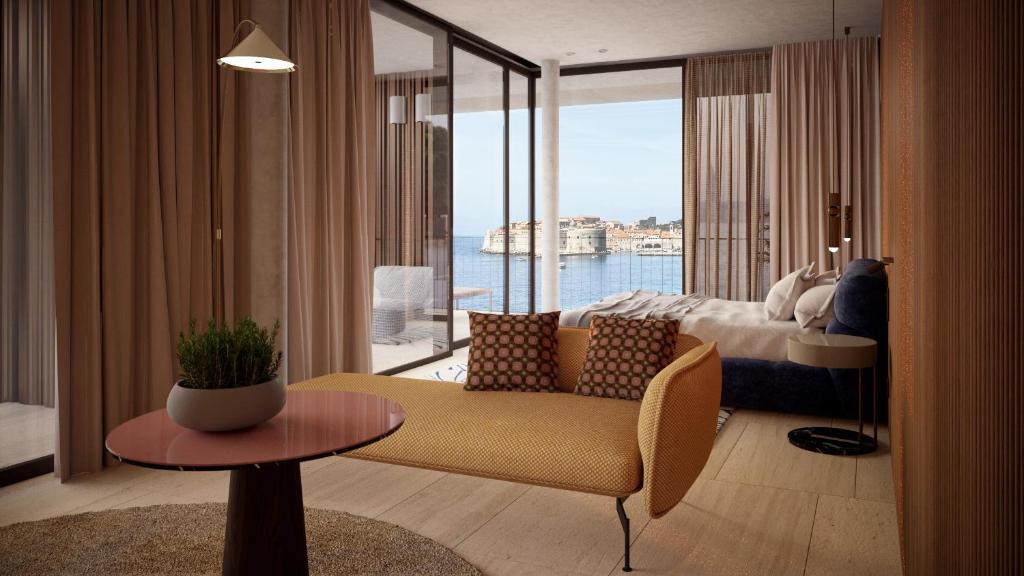
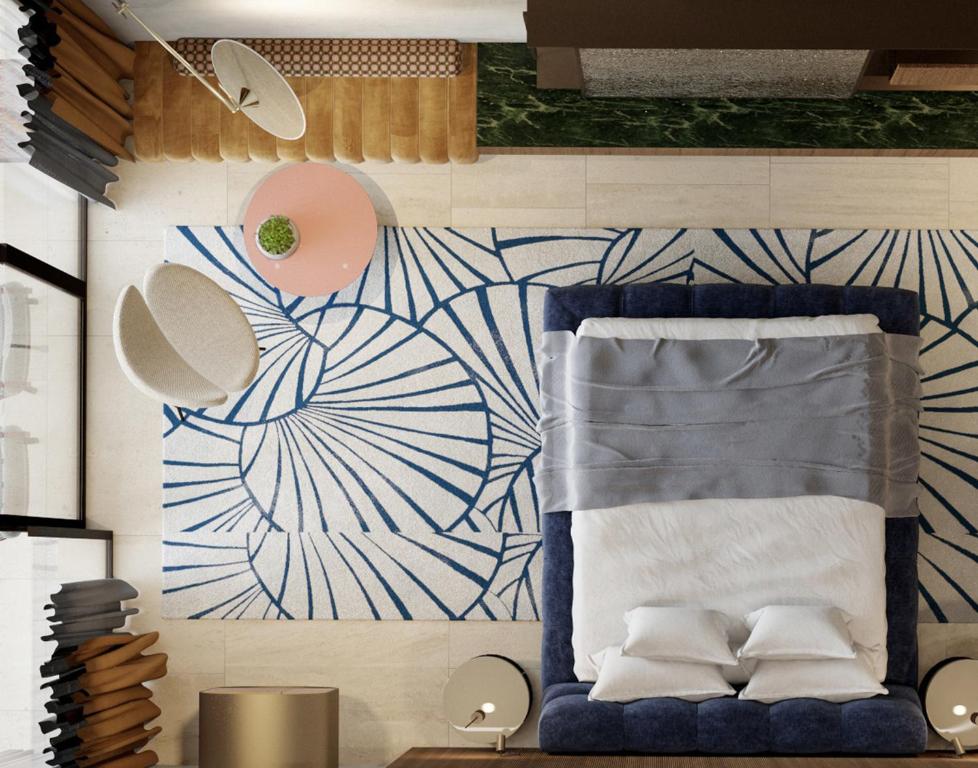
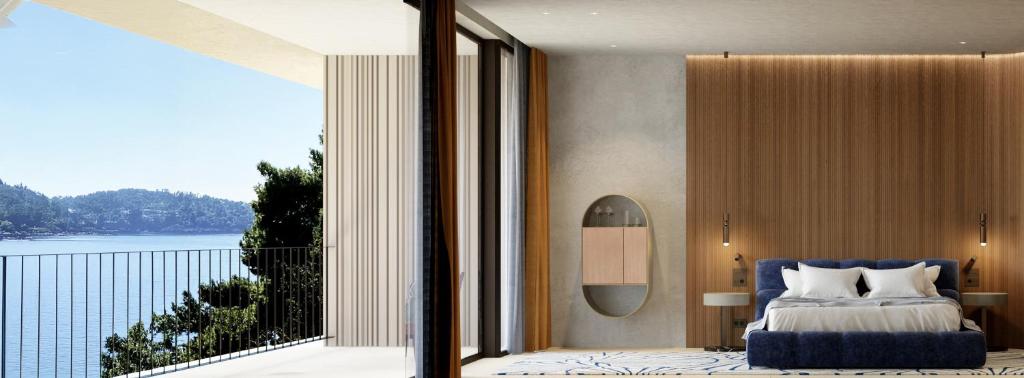
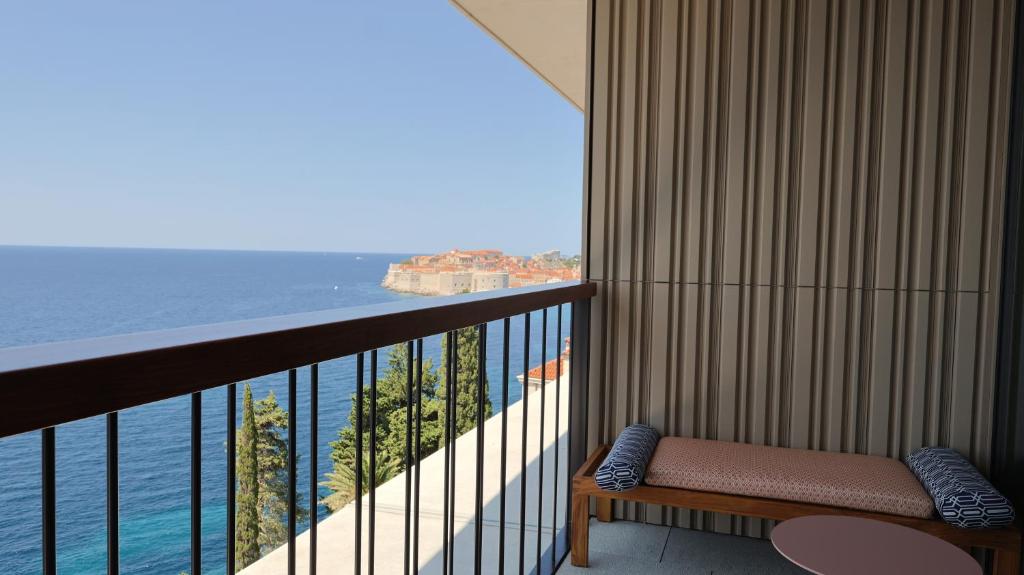
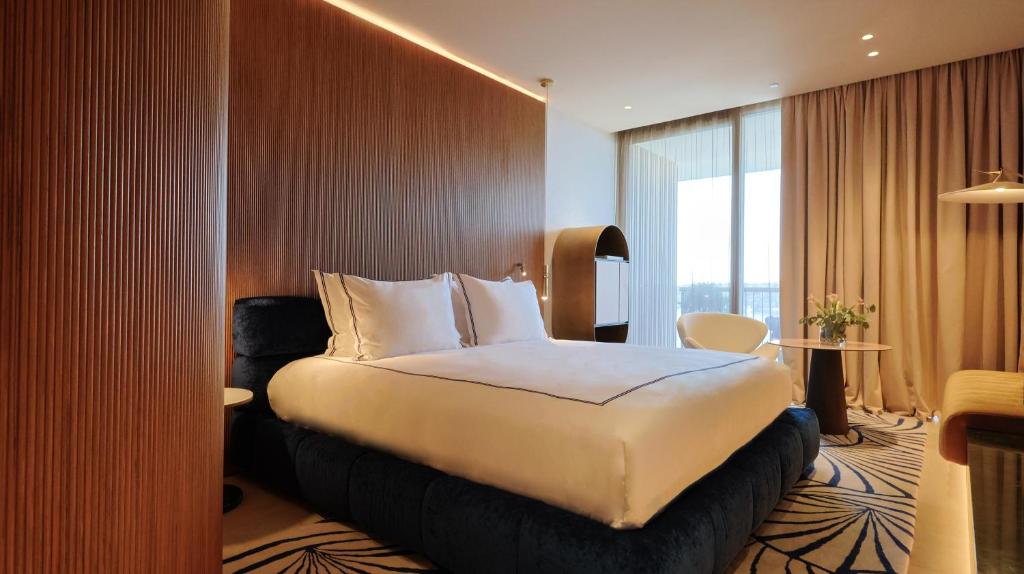
The renewed Villa Argentina has 96 rooms and suites, with the design drawing on Mediterranean textures, natural materials and the colours of the surrounding landscape. But inevitably, the real decoration is outside. Private terraces frame different versions of the same extraordinary setting: Lokrum floating offshore, the open Adriatic, Mediterranean gardens or Dubrovnik’s ancient rooftops and fortifications. The rooms are contemporary without attempting to compete with those views. And that feels exactly right.
From the Garden to the Sea
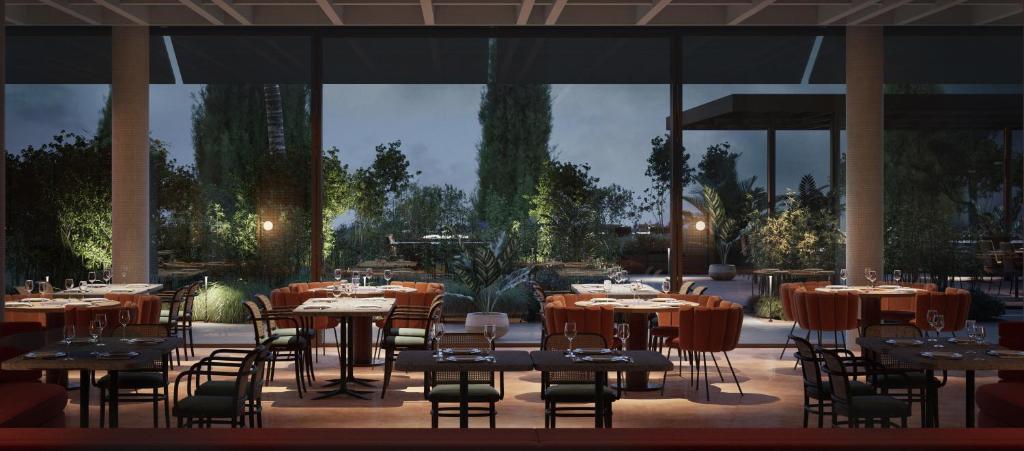
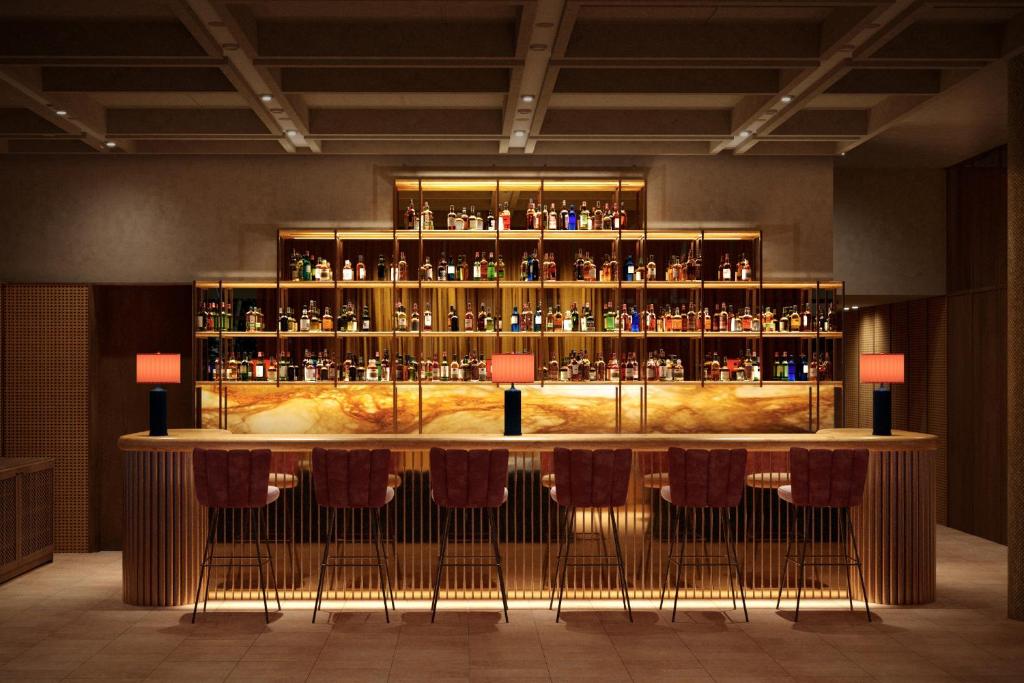
The hotel’s social life unfolds vertically through the property. At Liz at Villa Argentina, Adriatic seafood, regional herbs and seasonal produce anchor the menu firmly on this side of the Mediterranean. Copper Bar hides among the gardens for cocktails, while Cala Beach Club takes the experience all the way down to the waterfront, combining Dalmatian ingredients with flavours from Southern Italy. The new Anima Wellbeing & Spa adds another 6,000 square feet devoted to slowing down, with four treatment rooms, Finnish sauna, steam room, Himalayan salt room, indoor pool and relaxation spaces looking towards the Adriatic. And then there is the simplest luxury of all: walking out of the hotel and reaching Dubrovnik’s Old Town on foot. Few resorts can combine that level of seclusion with one of Europe’s most extraordinary historic cities practically on the doorstep.
Two Villas, Two Personalities
The reopening also brings back neighbouring Villa Orsula, a much smaller 13-room sister property. Its historic exterior has been retained while refreshed interiors introduce blue plaster walls inspired by the Adriatic sky. Connected to the larger complex yet far more intimate in scale, it provides an interesting counterpoint to Villa Argentina itself. Together, they restore something Dubrovnik had been missing during the years of renovation: one of its great waterfront hotel addresses.
A Grande Dame That Still Belongs Here
Dubrovnik hardly needs another hotel pretending that a few pieces of limestone and a blue cushion constitute a sense of place. Villa Argentina has the real thing. Its gardens, architecture and relationship with the city have developed over more than a century. 3LHD’s achievement is not to replace that history with a fashionable new identity, but to make its different layers work again—opening the buildings towards the landscape, reconnecting them with one another and allowing contemporary design to sit confidently beside what was already there. Villa Argentina returns not as a nostalgic recreation of Dubrovnik’s glamorous past, but as something much more convincing: a historic Adriatic hotel ready for its next chapter, with one of the greatest views in the city still very much the star.