Villa Pedra Natural Houses, Serra do Sicó, Portugal
A forgotten stone village reborn as a deeply private retreat of vernacular architecture, collected design, and rural silence
Why DNA Hotels Loves It
● An abandoned village, uninhabited for around 80 years, has been painstakingly restored using traditional materials and building techniques rather than reinvented as a conventional resort.
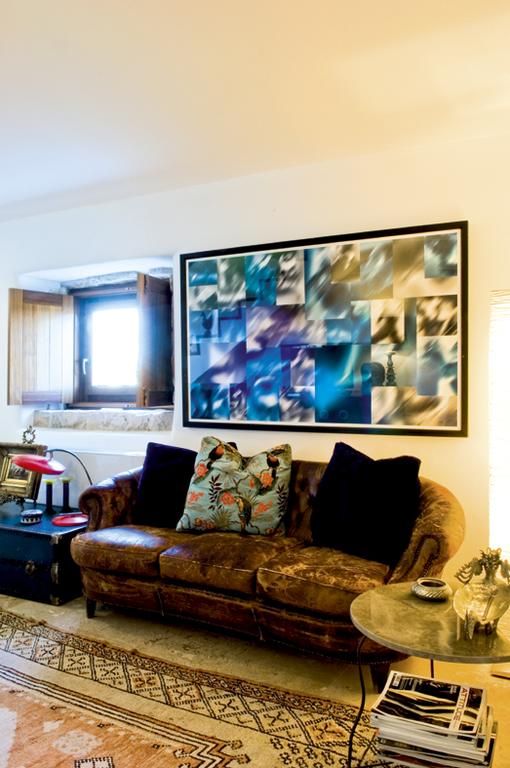
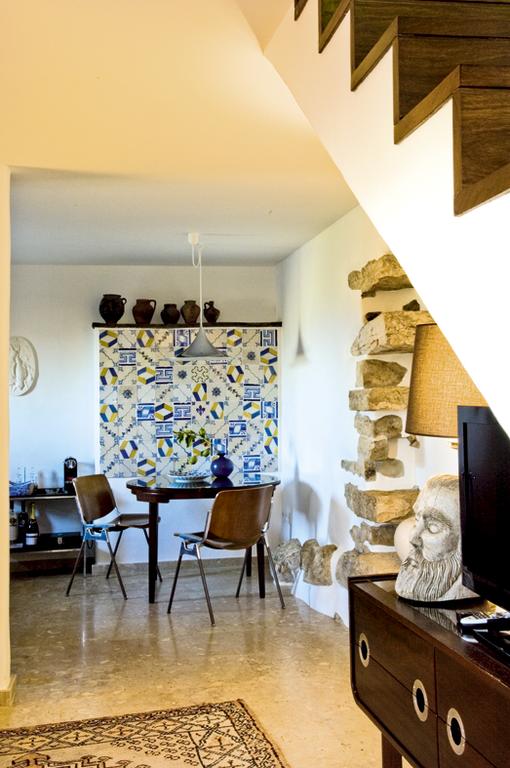
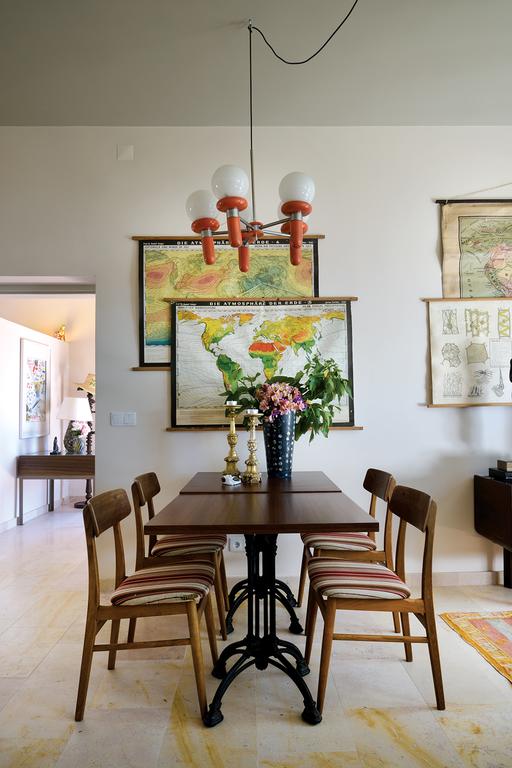
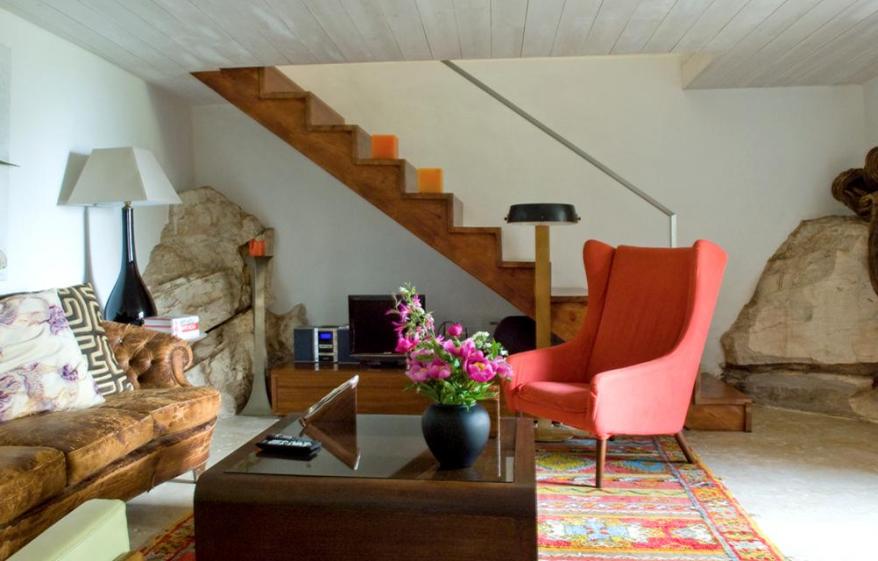
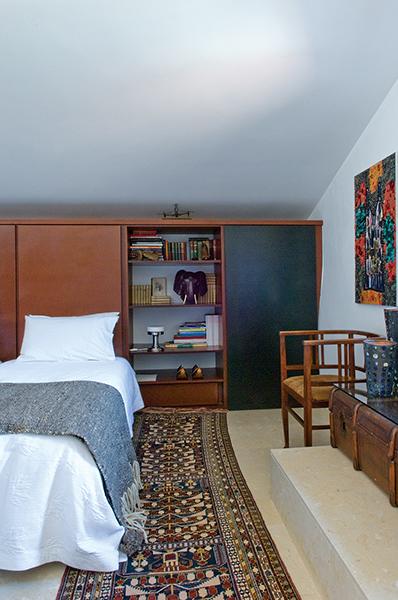
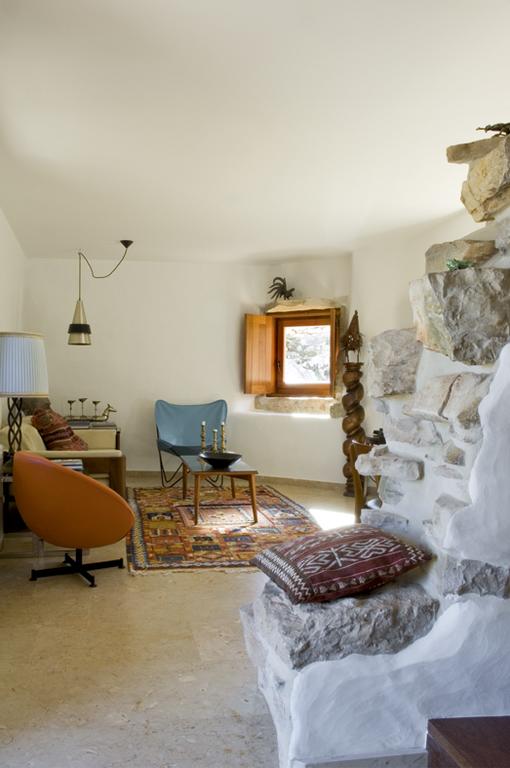
● Each house mixes centuries-old stone architecture with an eclectic collection of antiques, Persian and Moroccan textiles, Scandinavian pieces, and contemporary comforts.
● Private gardens, extraordinary tranquillity, and the feeling of having an entire village to yourself make this a compelling argument for doing absolutely nothing.
The Village That Came Back to Life
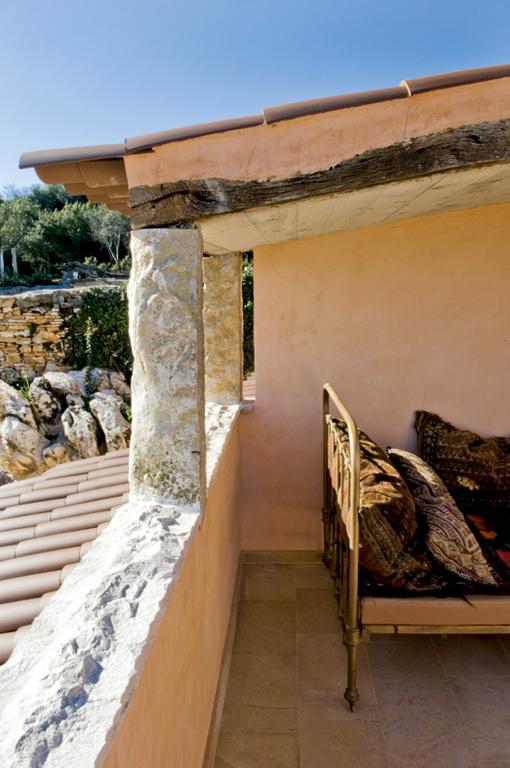
Villa Pedra begins with an extraordinary premise. Hidden in the Serra do Sicó of Central Portugal is a small stone village that had stood abandoned for decades, its houses slowly surrendering themselves to the landscape. Rather than clear the ruins and start again, its new owners saw something worth saving. The village was restored house by house, preserving the scale, materials, pathways, walls, and architectural language that had evolved here over centuries. Today, Villa Pedra feels less like a hotel than a tiny Portuguese settlement that has somehow returned to life. And that is precisely its magic.
Stone by Stone
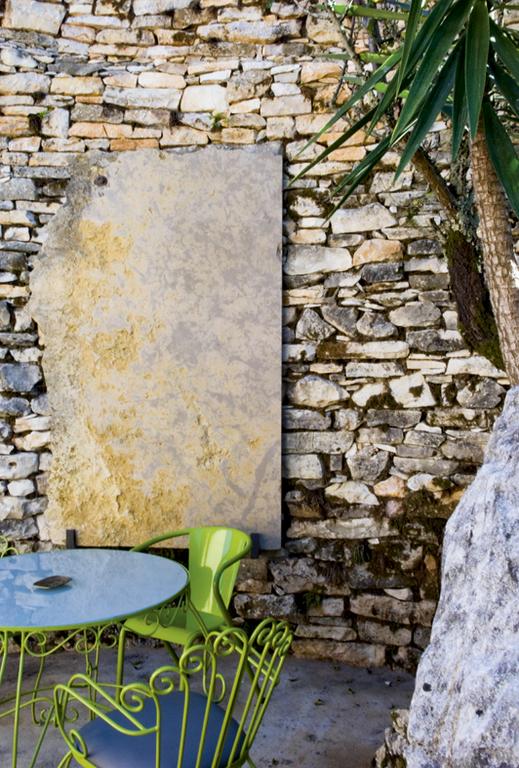
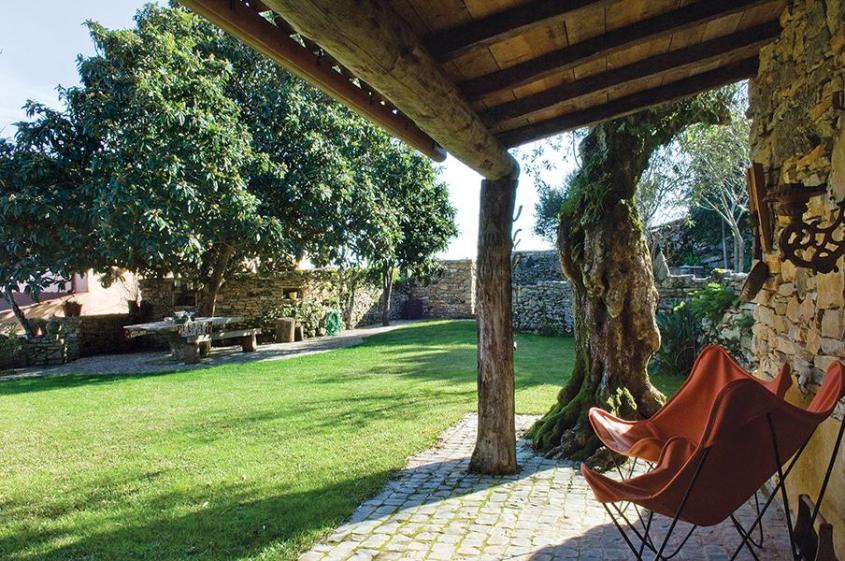
Restoration here meant working with what already existed. Old stone walls were reconstructed using traditional techniques, with lime and ochre finishes allowing the buildings to retain their historic character. Existing paths and boundaries help preserve the original rhythm of the village, while gardens have grown around the houses to create pockets of remarkable privacy. The architecture may belong to another age, but this is no exercise in rustic nostalgia. Contemporary interventions have been deliberately restrained, allowing the old village to remain the protagonist. Walk its narrow stone paths and you still understand what this place once was.
Collected, Not Decorated
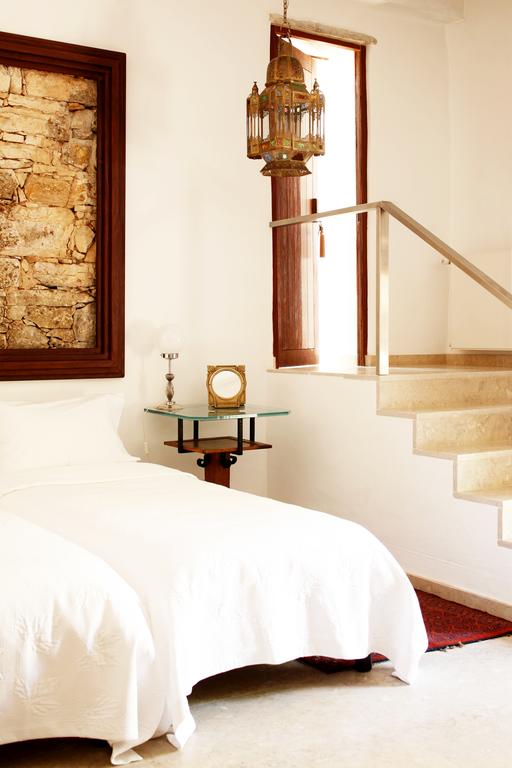
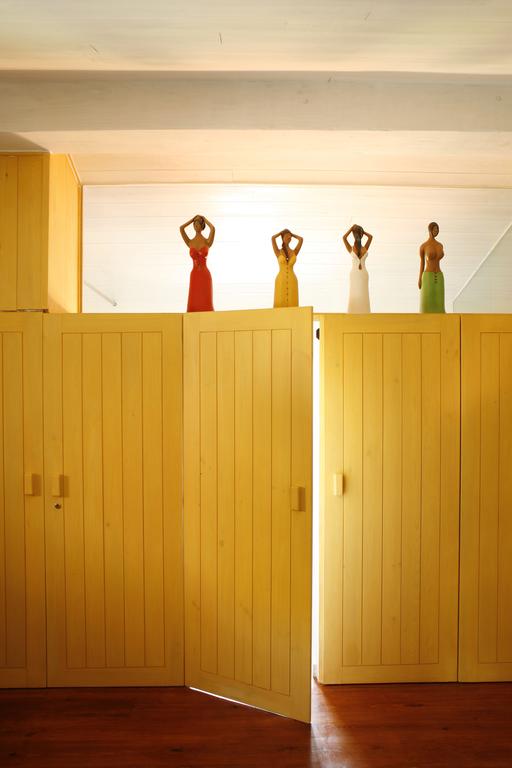
Inside, the story becomes more eclectic. The owners deliberately avoided furnishing the houses with everything new. Instead, pieces from different periods and places have been brought together as though accumulated over generations. Furniture ranges from the 17th to the 20th century, with Swedish and Danish pieces from the 1970s appearing alongside older Portuguese finds. Rugs and tapestries arrive from Persia, Afghanistan, and Morocco. Newness is reserved largely for where it matters: comfortable beds, excellent Portuguese linen, and well-equipped kitchens. Nothing feels coordinated for effect. That is exactly why it works. These interiors feel inhabited rather than styled.
A House of Your Own
Villa Pedra is made up of individual houses rather than guestrooms. Some are intimate hideaways for two; others have multiple bedrooms and generous kitchens and living spaces for families or groups. The former Boys School and Girls School sit slightly apart from the original cluster, while the largest houses provide considerably more room to spread out. Each has its own personality. More importantly, each has its own outdoor space. Stone walls, mature planting, herbs, fruit trees, and gardens separate one house from another so effectively that even when Villa Pedra is full, it can feel strangely empty. For groups travelling together, some garden gates can be opened to reconnect neighbouring houses. Privacy when you want it. A village when you don’t.
The Luxury of Nothing
There is a swimming pool hidden among the greenery, bicycles to explore the surrounding countryside, massages on request, and endless possibilities for walking. But Villa Pedra’s greatest amenity may simply be silence. Thousands of flowers line the old paths, including an extraordinary variety of wild orchids, while the surrounding landscape is threaded with ancient routes, including old Roman roads and the Portuguese Camino de Santiago. Coimbra and its historic university are within reach, as are the remarkable Roman ruins of Conímbriga. Yet the temptation to explore competes with something increasingly rare. The desire to stay exactly where you are.
Breakfast When You Want It
The houses are designed for independence. Fully equipped kitchens allow breakfast to happen at ten, eleven, or whenever the morning eventually begins, with ingredients provided so guests can prepare something themselves rather than organise their day around hotel schedules. That small detail says a great deal about Villa Pedra. Hospitality here is built around autonomy rather than programming. The property’s organic restaurant previously extended that philosophy to dinner, using its own wine, olive oil, vegetables, and herbs alongside produce sourced from neighbouring farms and the coast. It is currently closed, with no confirmed reopening date, so local restaurant recommendations are provided instead.
Why It Works
Villa Pedra Natural Houses succeeds because the restoration never overwhelms the thing that made the place extraordinary in the first place. This is still a village of stone houses, gardens, pathways, and silence. The eclectic interiors add personality without sanitising its history, while modern kitchens, good beds, and thoughtful service make living inside that history wonderfully easy. In a hospitality world increasingly obsessed with creating experiences, Villa Pedra offers something far more seductive: space, privacy, and permission to do almost nothing at all.