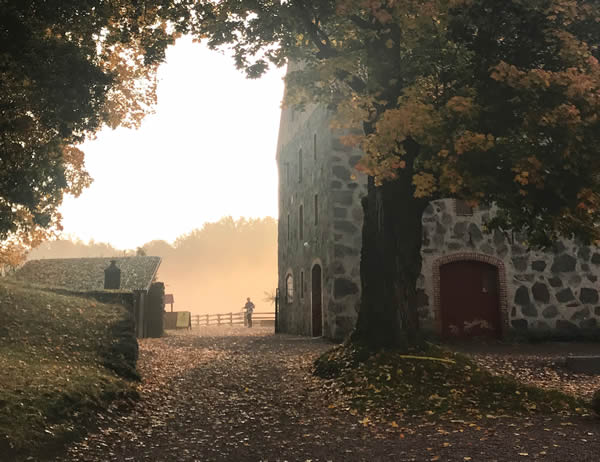
Wanås Restaurant Hotel – Knislinge, Skåne, Sweden
An 18th-century estate where contemporary art, organic farming and quietly beautiful Nordic design become one experience.
Why DNA Hotels Loves It
● An intimate 11-room hotel surrounded by the Wanås Foundation sculpture park, where works by artists including Yoko Ono, Jenny Holzer and Ann Hamilton turn the surrounding landscape into an open-air gallery.
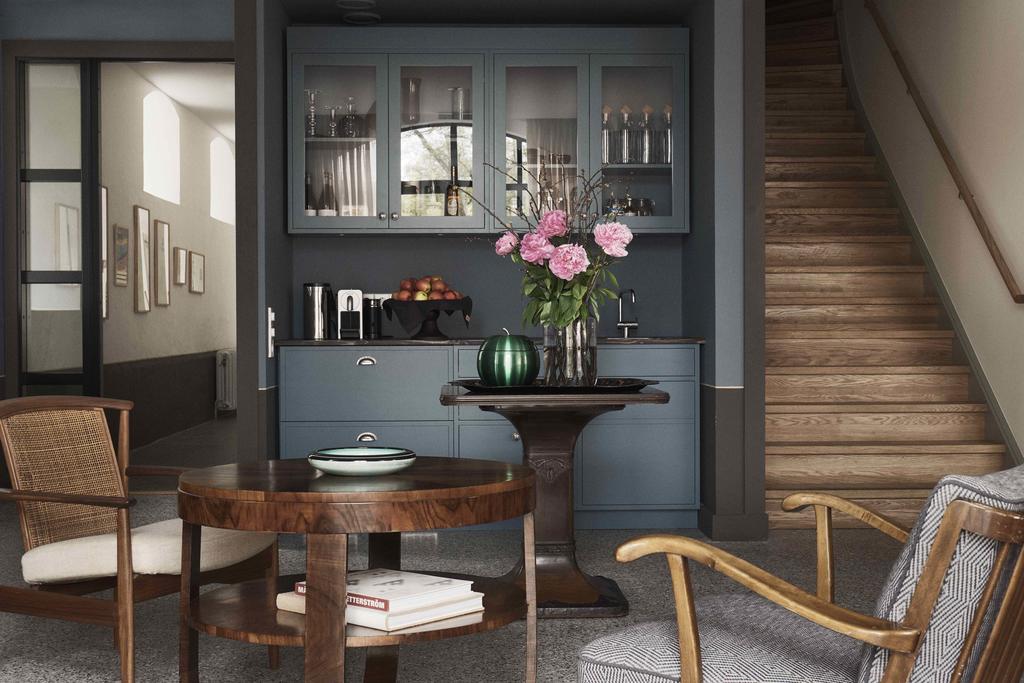
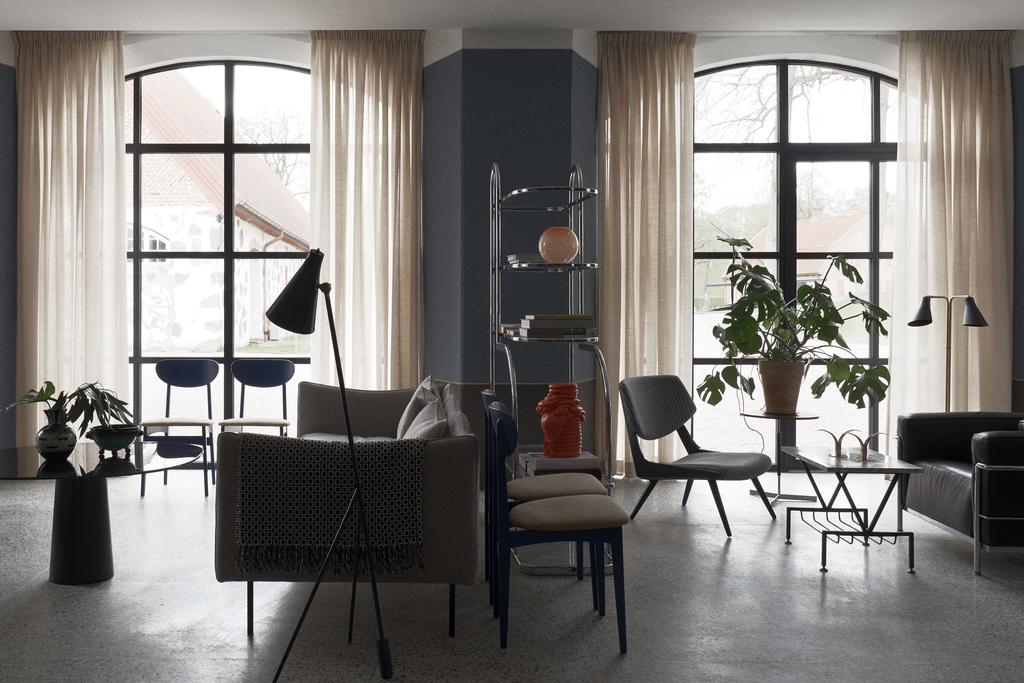
● Historic stone walls meet contemporary Nordic design, mid-century furniture, original art and materials sourced from the estate itself — including oak floors and locally made furnishings.
● The restaurant completes the story with a genuine farm-to-table philosophy, drawing vegetables, mushrooms, dairy and meat from the estate and its organic farm.
Sleep Inside an Art Estate
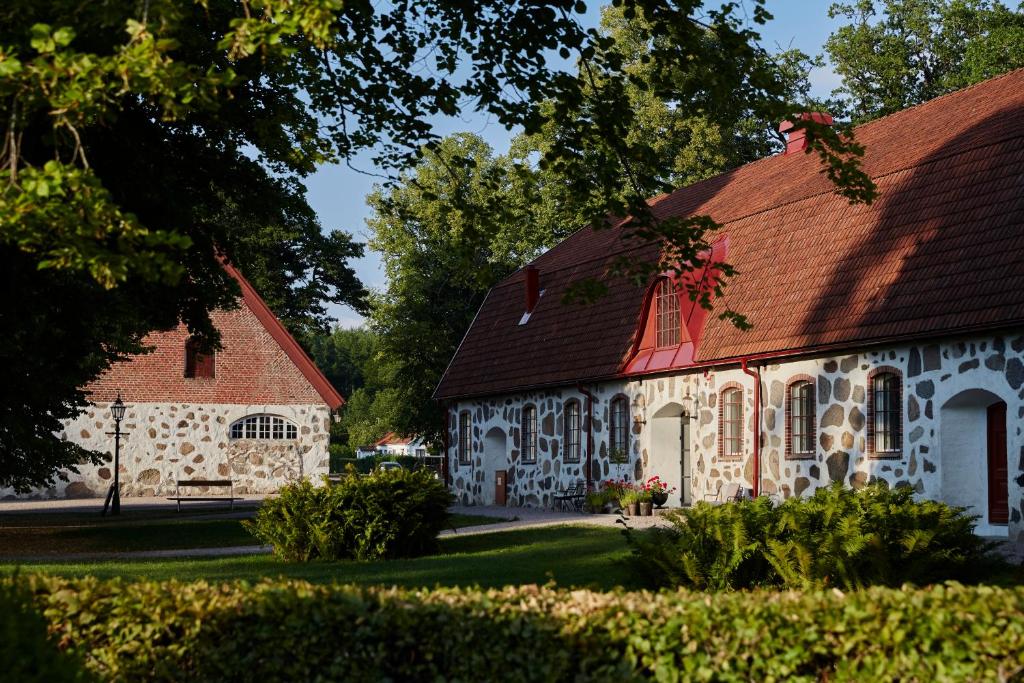
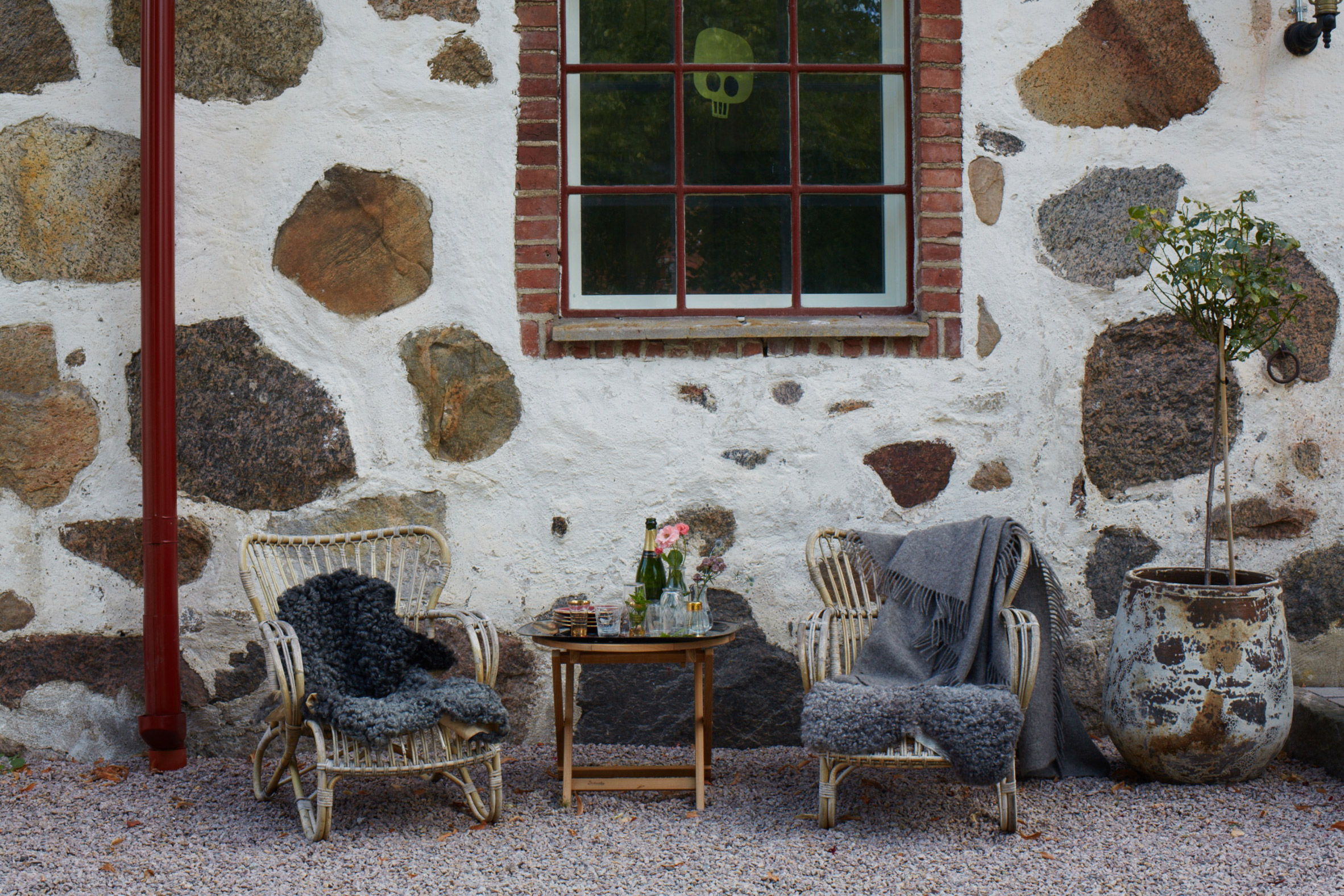
Some hotels have an art collection. At Wanås Restaurant Hotel, you are staying inside an entire cultural landscape. Hidden in the countryside of Skåne in southern Sweden, the hotel occupies an 18th-century building on the historic Wanås Estate. Beyond its almost metre-thick stone walls lie forests, farmland, a medieval castle and one of Scandinavia’s most fascinating collections of contemporary sculpture. It is an unusual combination: hotel, organic farm and internationally recognised art destination, all operating within the same estate. And with only 11 rooms, the hotel remains remarkably intimate.
Old Walls, Nordic Restraint
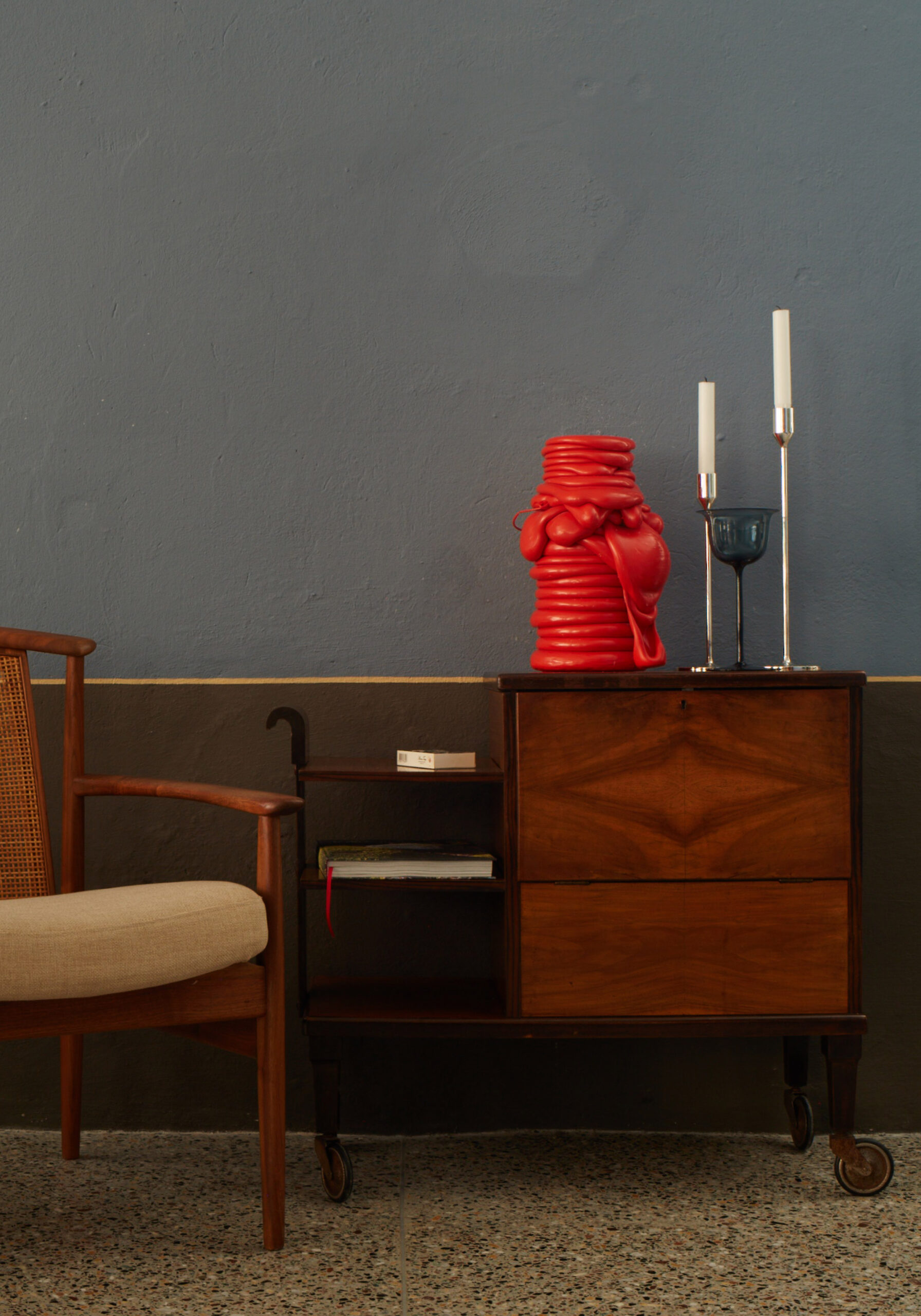
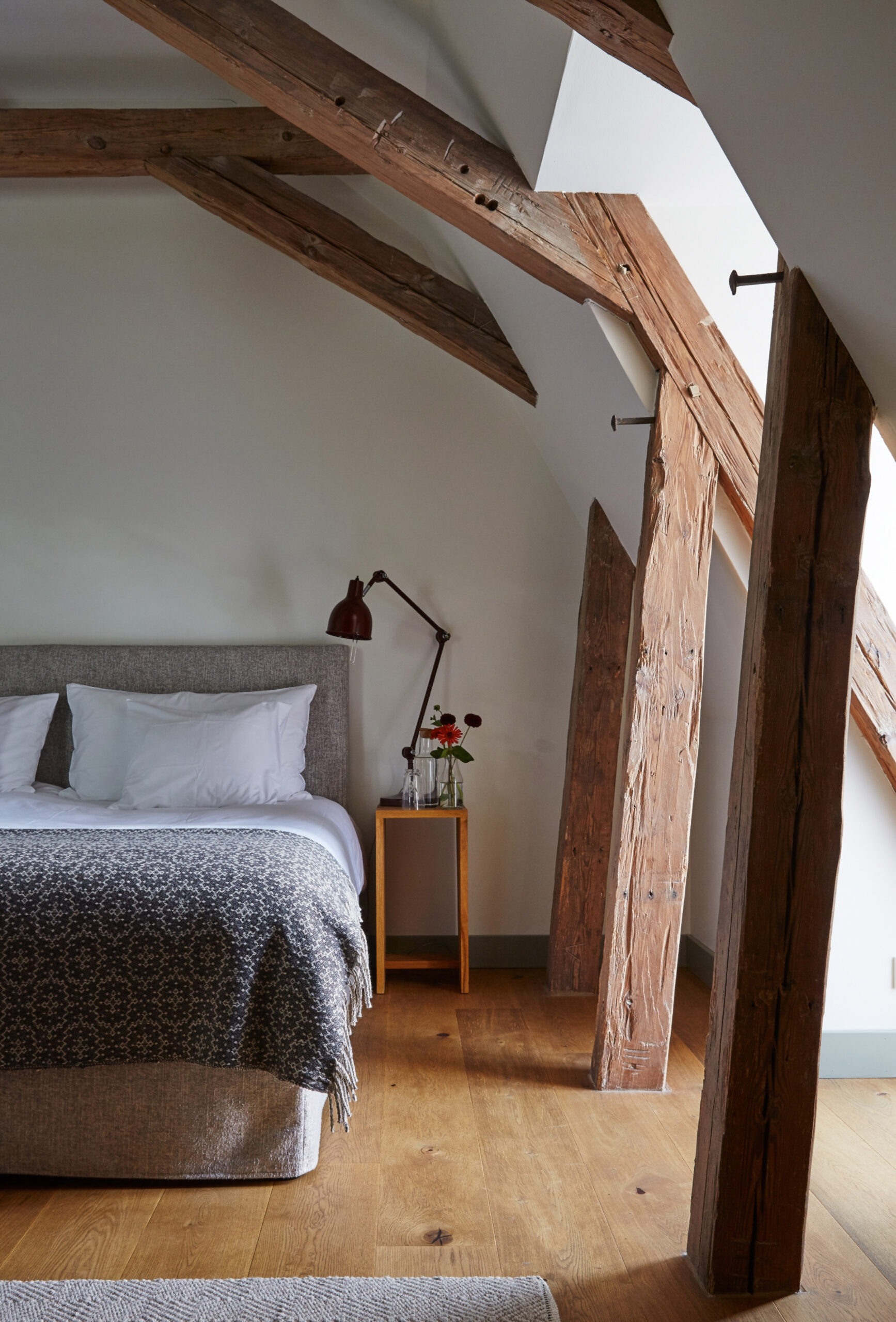
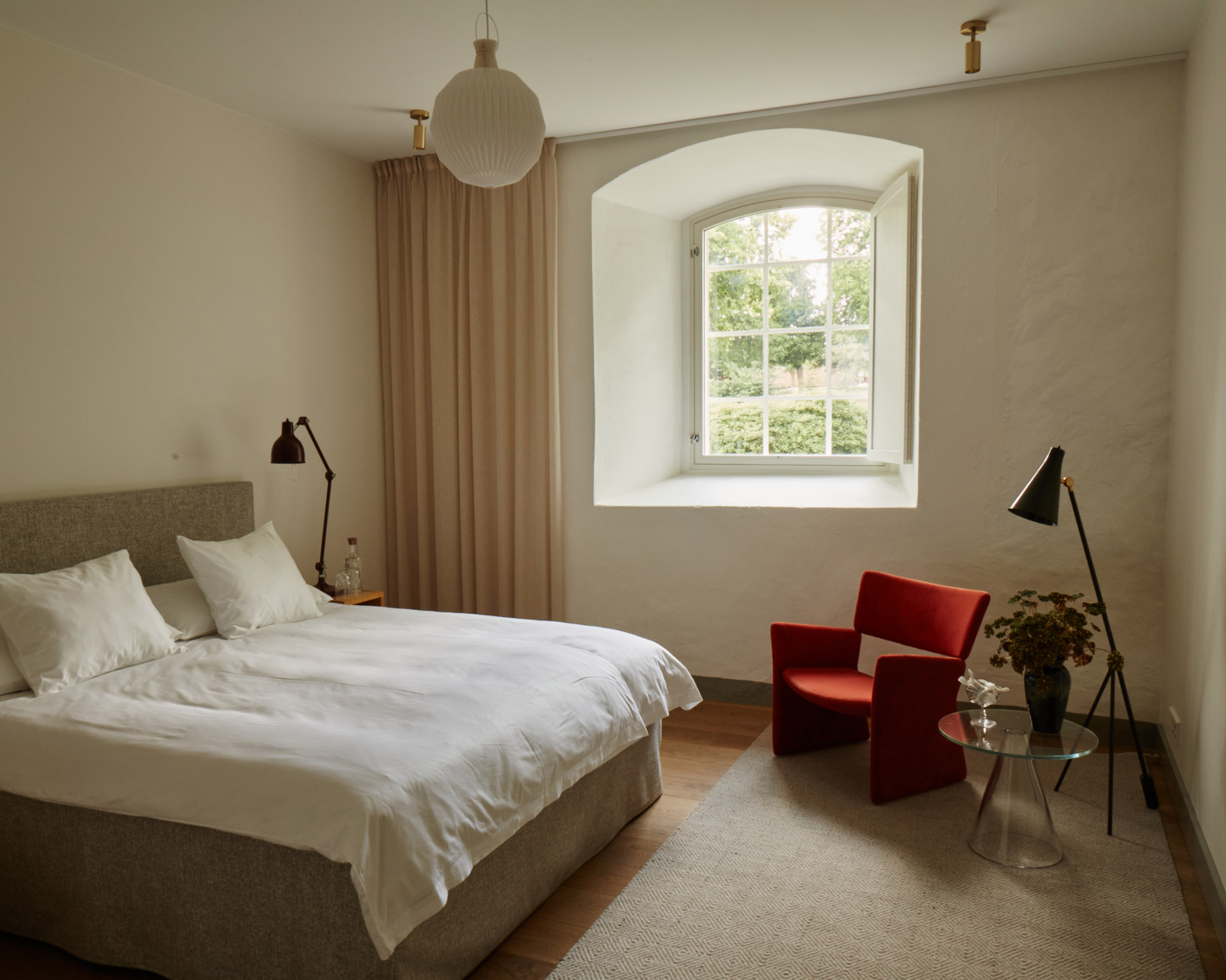
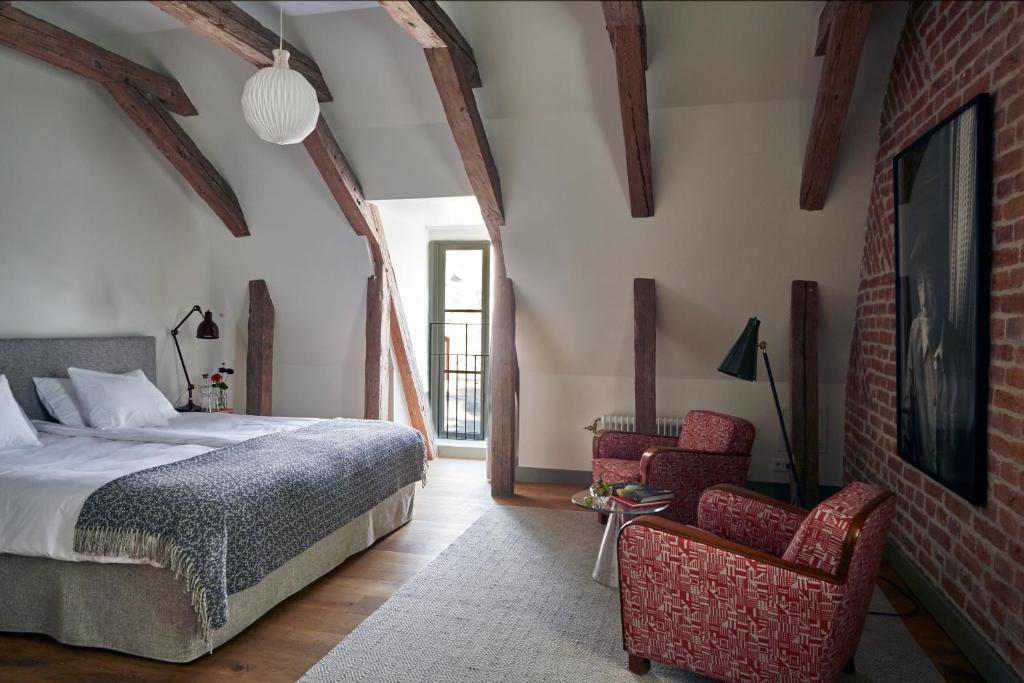
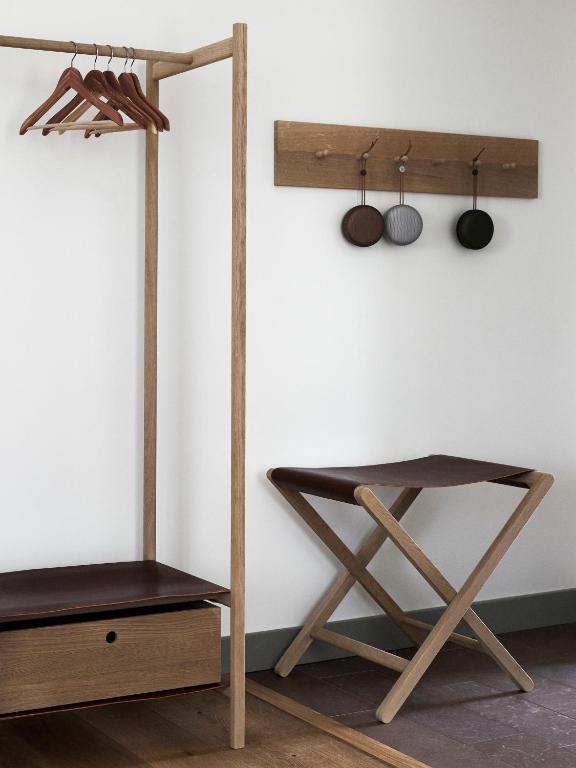
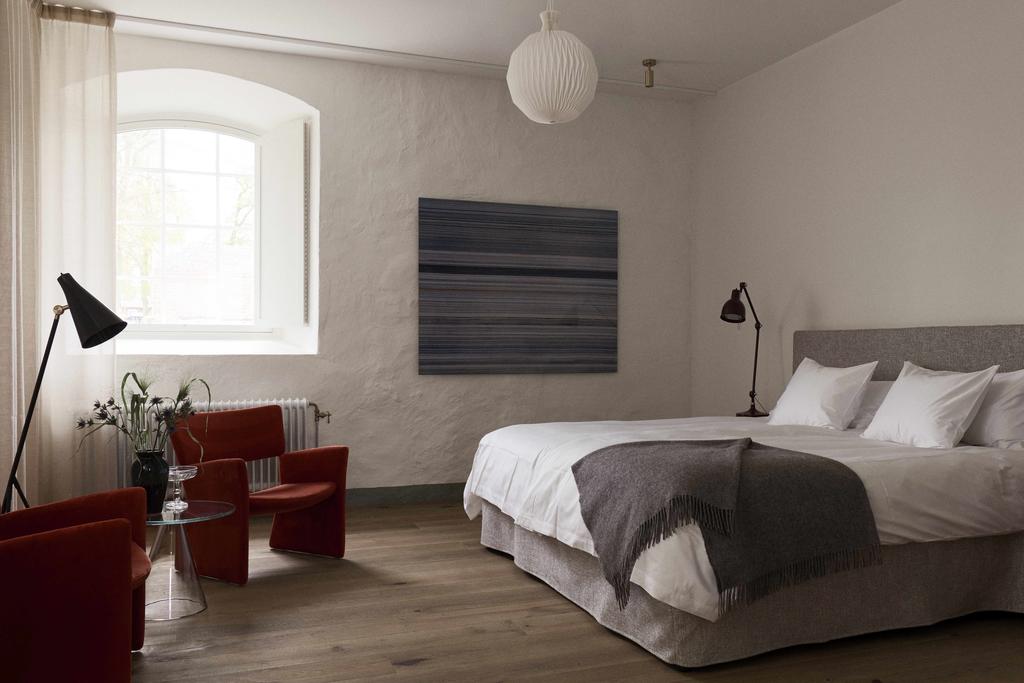
The conversion respects the building rather than attempting to polish away its age. Massive stone walls, oak floors and large fireplaces establish the historic framework, while the interiors introduce a lighter layer of contemporary Scandinavian design. Furniture combines mid-century classics with contemporary Nordic pieces, alongside lighting by Swedish makers such as RUBN and Ifö. Timber from the estate has been reused for furniture, while oak sourced locally was used for the floors. Contemporary artworks appear throughout, but nothing feels staged as a design showroom. The rooms are deliberately quiet. No televisions demanding attention. No unnecessary decoration. Instead there is natural light, tactile materials, art and enough space for the architecture to breathe.
The Forest Is the Gallery
Step outside and the boundaries between hotel and museum disappear. Since 1987, the Wanås Foundation has invited artists to create site-specific works throughout the estate’s forests and grounds. Over the years, the collection has grown into an extraordinary dialogue between contemporary art and landscape. Works by artists including Yoko Ono, Jenny Holzer, Ann Hamilton, Robert Wilson, Nathalie Djurberg & Hans Berg and Hannelie Coetzee appear among ancient beech and oak trees. You don’t walk through conventional exhibition rooms. You follow paths into the forest. Art appears between trees, across clearings and within the landscape itself — sometimes monumental, sometimes almost hidden. Here, visiting the sculpture park isn’t something to schedule between breakfast and dinner. It is part of staying at Wanås.
From Estate to Table
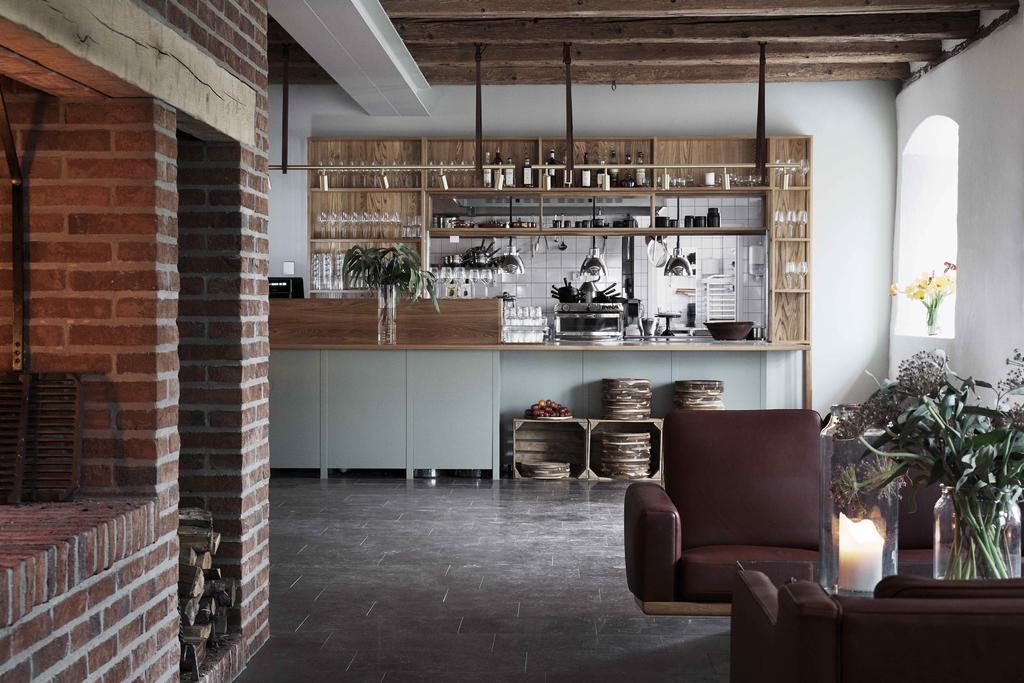
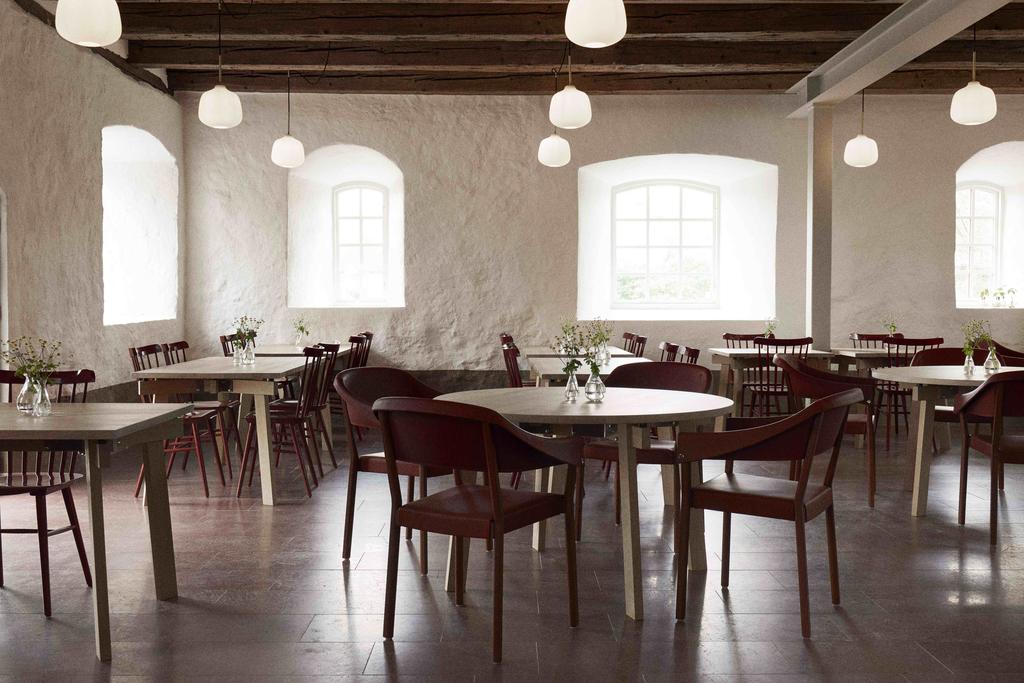
The restaurant occupies a converted 18th-century barn, where exposed stone, timber beams, oversized lanterns and a large fireplace create a room that feels both rustic and distinctly Scandinavian. Its philosophy is equally rooted in the estate. Vegetables come from the garden. Mushrooms are foraged in the surrounding forest. Dairy and meat are produced on the estate’s organic farm, supplemented by ingredients from small-scale producers nearby. The menu consequently follows the seasons rather than forcing them. In winter, communal tables gather around the fire. During warmer months, dining spills onto the terrace and lawn overlooking the art centre and surrounding landscape. The distance between landscape, farm and plate can sometimes be measured in metres rather than kilometres.
Sustainability Without the Slogan
Wanås is particularly convincing because sustainability isn’t presented as a separate hotel programme. It is embedded in how the place works. Existing historic buildings have been reused. Timber comes from the estate. Food is grown, raised or foraged nearby. The hotel is small. Materials are natural and durable. The surrounding forest isn’t treated as decorative scenery but as an ecosystem shared by agriculture, art and hospitality. There is no need for an elaborate green narrative. The evidence is outside the window.
Why It Works
Wanås feels like a particularly complete expression of contemporary Scandinavian hospitality because none of its individual elements exists in isolation. The historic estate gives the hotel its architecture. The forest becomes its gallery. The farm supplies the restaurant. The landscape provides materials for the interiors. And contemporary art introduces an entirely different way of looking at everything around you. The result is minimal without being austere, intellectual without becoming precious and sustainable without turning sustainability into branding. Wanås doesn’t place art and design in the countryside. It allows art, design, food and countryside to become part of the same composition.