YNDO Hôtel, Bordeaux, France
A 19th-century hôtel particulier transformed into a highly personal collision of historic grandeur, contemporary art and collectible design
Why DNA Hotels Loves It
● Owner Agnès Guiot treats the mansion less like a conventional hotel than a private collection, mixing historic architecture with pieces by Hubert Le Gall, the Campana brothers, the Bouroullec brothers and Tom Dixon.
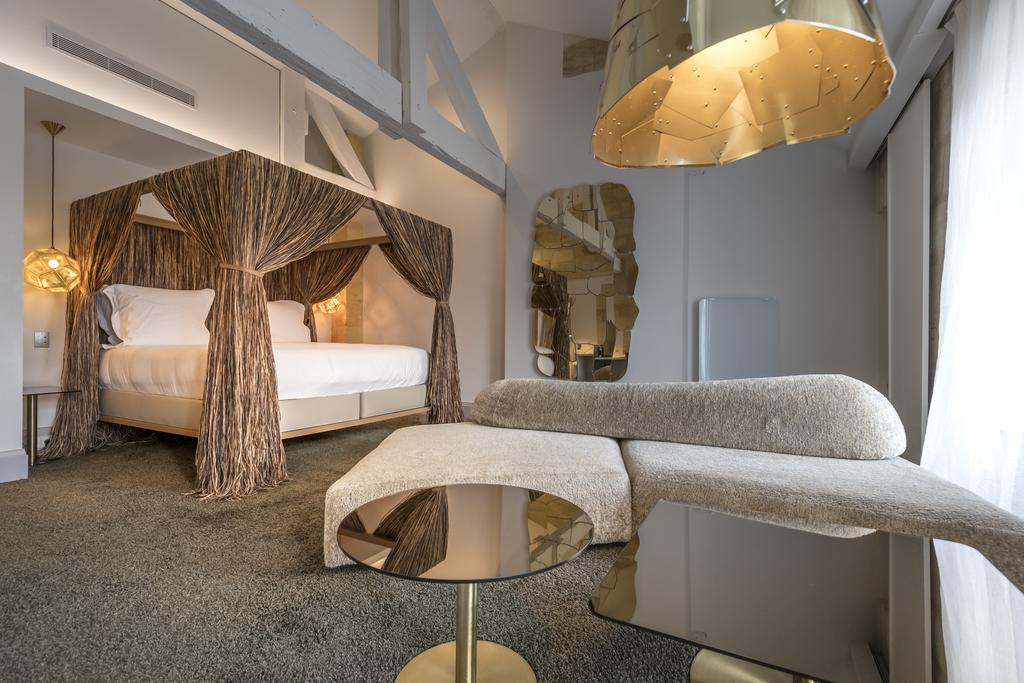
● No two of the 20 rooms are alike, ranging from restrained timber-and-neutral interiors to saturated, deliberately eccentric spaces filled with sculpture, colour and postmodern detail.
● Its intimate garden, courtyard and 24-hour kitchen preserve the atmosphere of a private Bordeaux residence rather than turning the building into a formal luxury hotel.
A Bourgeois Mansion, Rewritten
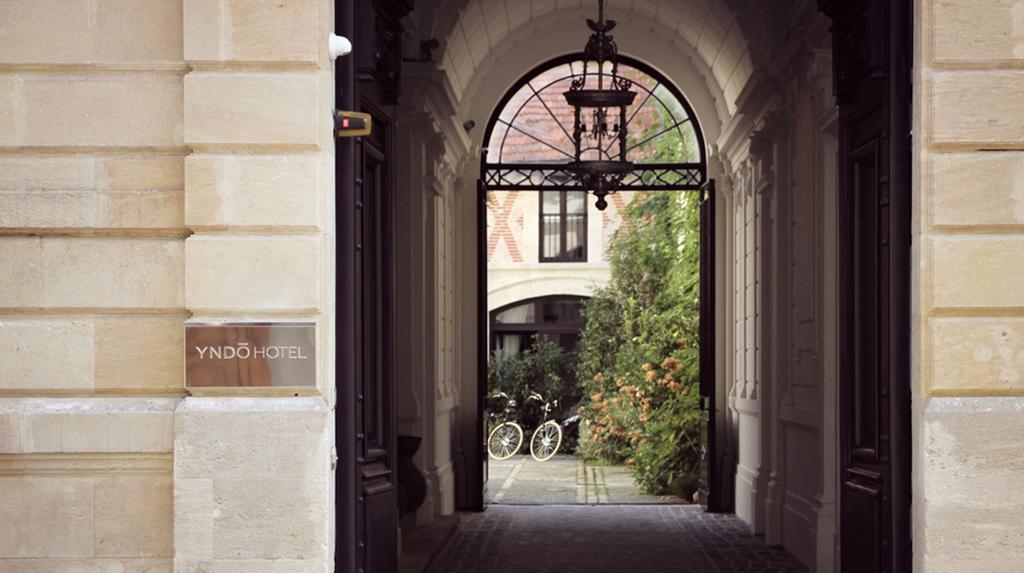
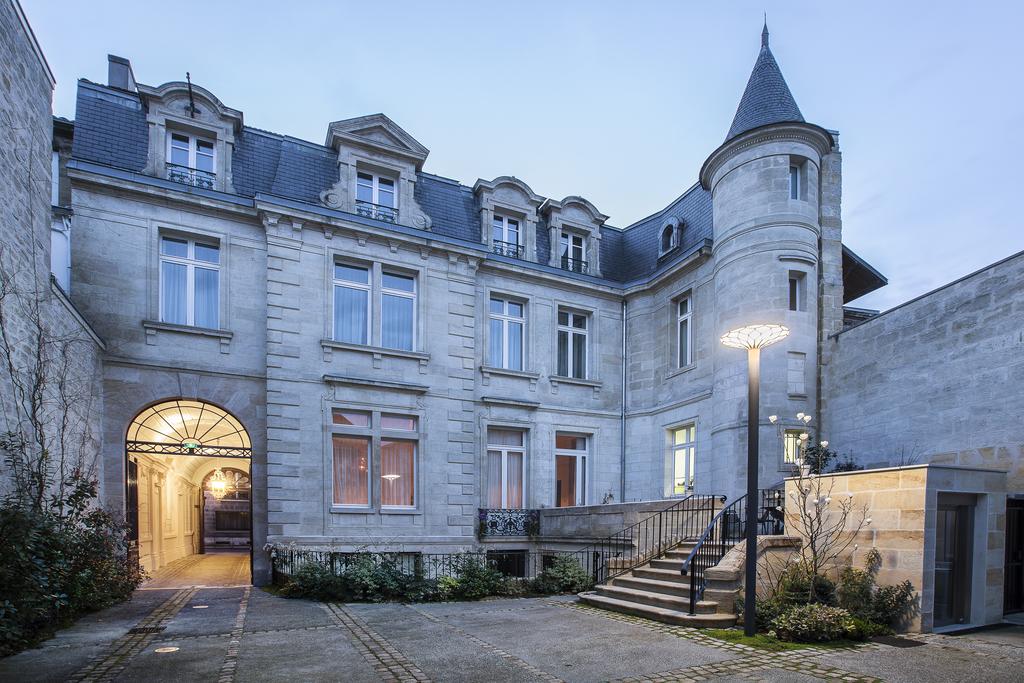
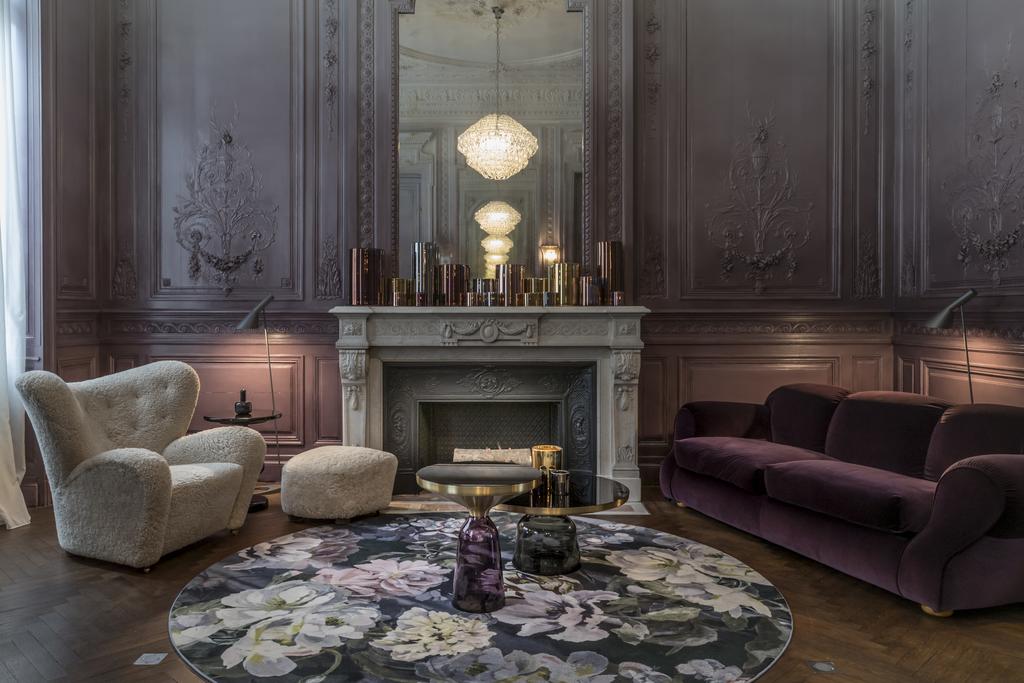
From the street, YNDO behaves impeccably. Its pale limestone façade belongs naturally to Bordeaux’s 19th-century architecture, and its position on a quiet street near the Triangle d’Or suggests the kind of discreet hôtel particulier the city does particularly well. Then the front door opens. What follows is not period reconstruction but a highly personal exercise in collecting. Historic proportions, fireplaces and architectural detailing remain, but owner Agnès Guiot has filled the rooms with contemporary furniture, sculpture, lighting and art that deliberately disrupt expectations. History provides the frame. Design takes over inside it.
Collecting Instead of Decorating
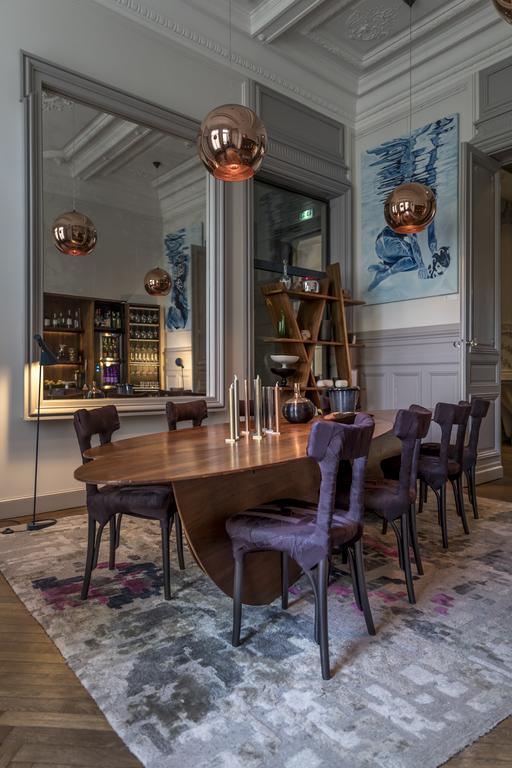
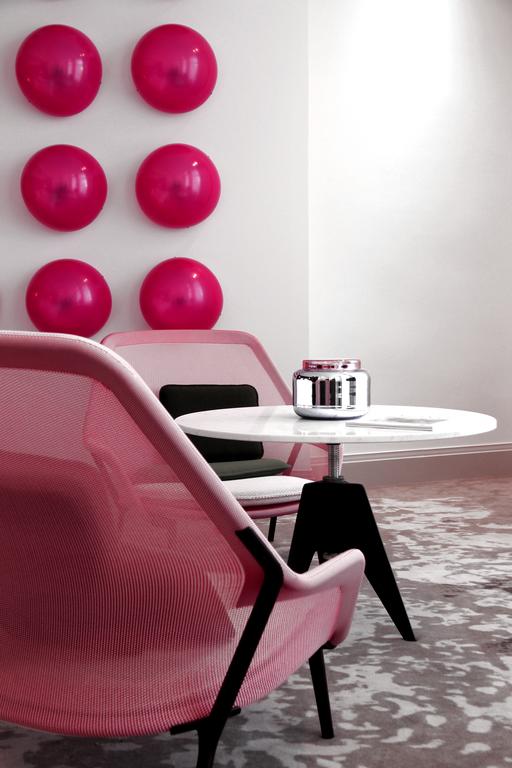
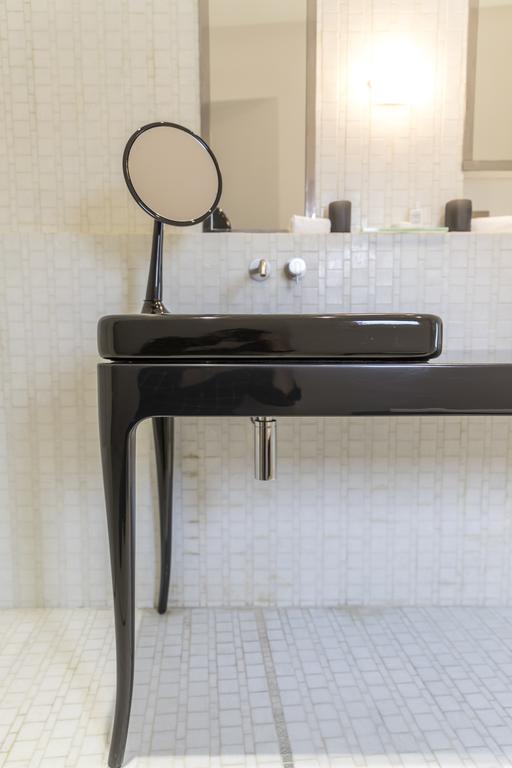
YNDO’s strongest quality is that it never feels designed by committee. Guiot selected the designers, artists and artisans herself, creating interiors that behave more like the home of an obsessive collector than a coordinated hospitality project. Joël Cazaux’s monumental ceramic work frames the lift. Hubert Le Gall’s playful whale-tail chairs sit beneath a Murano chandelier. Elsewhere appear pieces by Damien Langlois-Meurinne, the Campana brothers, the Bouroullec brothers and Tom Dixon, while bold canvases by local artist Yannick Fournié introduce saturated colour. Walnut, maple, brass, copper and velvet add warmth. The juxtapositions are occasionally eccentric, but that is precisely the point. Nothing has been selected merely to disappear. Furniture becomes personality.
Twenty Rooms, Twenty Variations
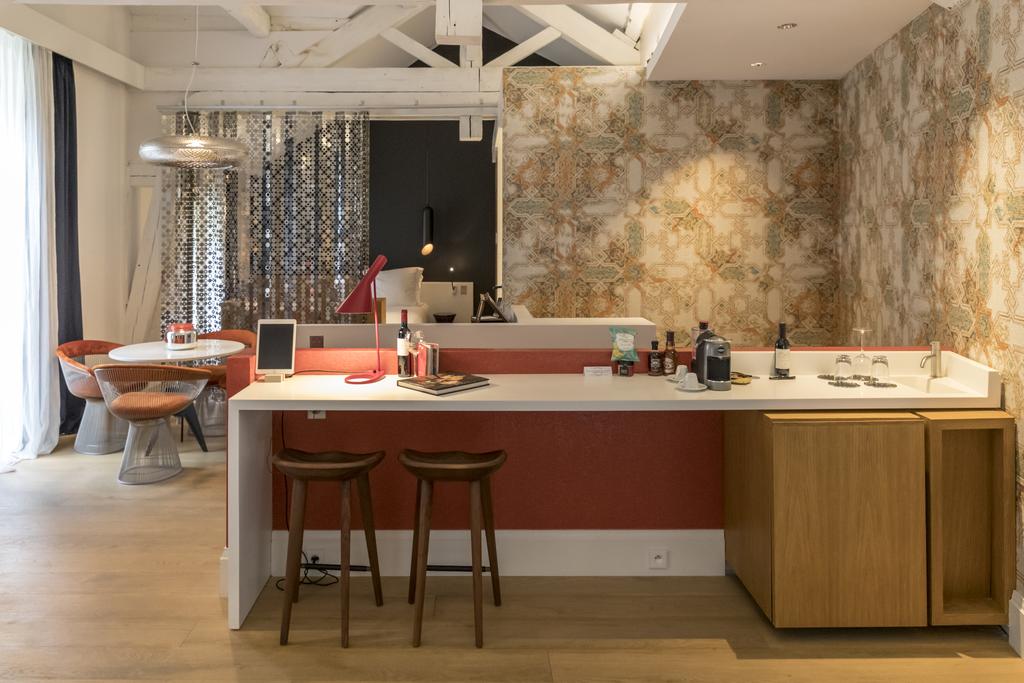
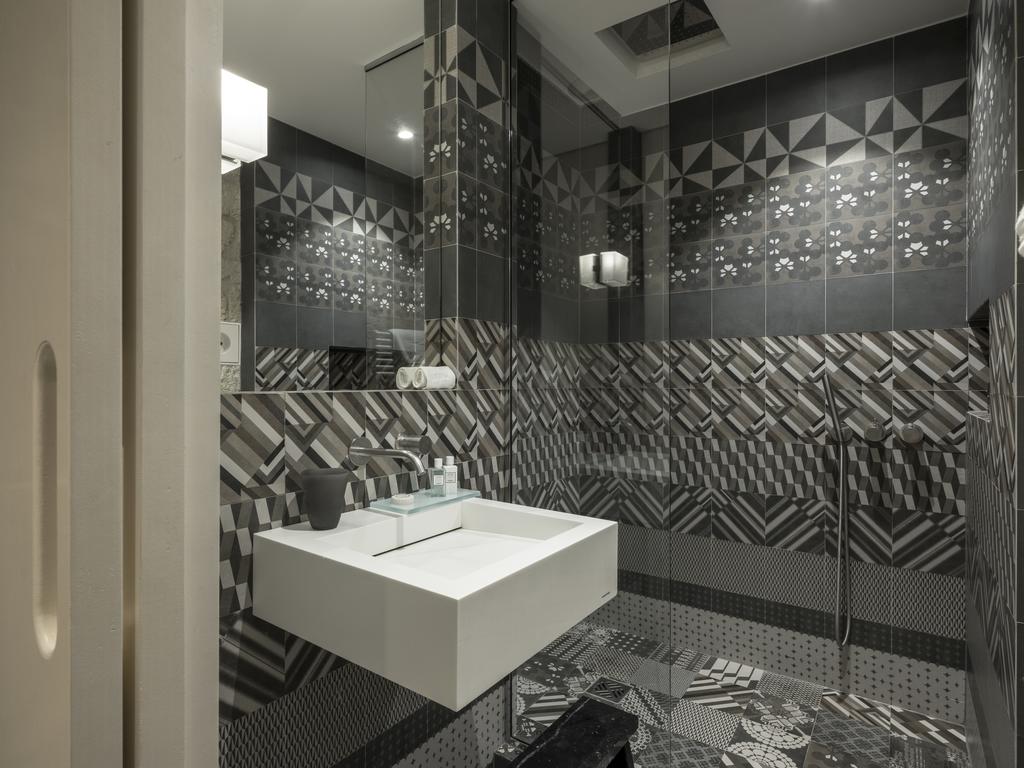
The individuality continues upstairs. YNDO’s 20 rooms avoid the replication that defines most hotels. Categories range from comparatively restrained Cosy rooms to the deliberately flamboyant Crazy rooms and larger suites, but each carries its own composition of colour, furniture and art. Some are calm and timber-lined. Others are saturated with colour, sculpture and expressive shapes. White linen beds provide visual continuity, while Edra sofas, Tom Dixon lighting, marble bathrooms and shelves of art and architecture books reinforce the sense of inhabiting a collector’s residence. Even within the more exuberant rooms, comfort is never secondary. The architecture remains recognisably domestic, which prevents the design from drifting into showroom territory.
A Private House Rhythm
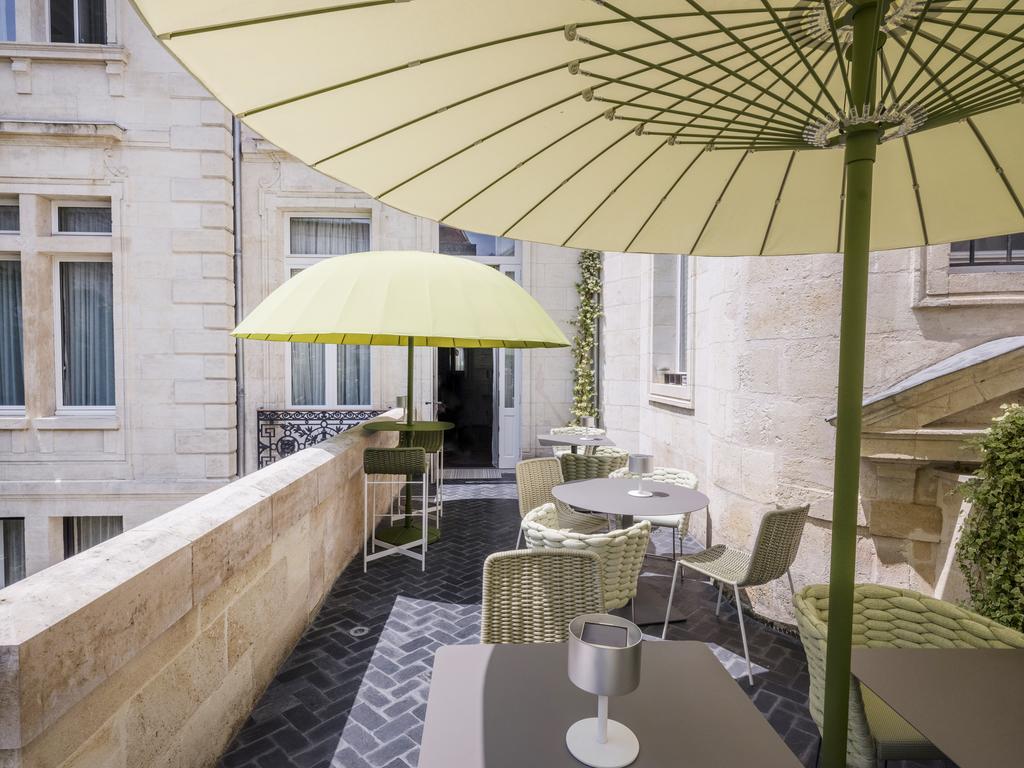
There is no formal restaurant. That decision suits YNDO perfectly. Instead, the kitchen prepares breakfast and a changing selection of seasonal dishes that can be served in the dining room, outside on the terrace or privately in a guest room. Ingredients are overwhelmingly organic, regional and seasonal, with simple plates such as oysters, cheeses, charcuterie, salads and pasta accompanied, inevitably, by a carefully chosen Bordeaux wine list. Breakfast follows the same residential spirit: homemade breads and jams, yoghurt, fruit and fresh juices, with more substantial dishes available for those willing to linger. Outside, the enclosed garden offers another side to the house. Fragrant planting, shaded tables and the quiet courtyard create a surprisingly secluded environment in central Bordeaux. Hospitality feels personal rather than programmed.
Bordeaux Through a Collector’s Eye
YNDO is particularly interesting in a city where architectural heritage can easily encourage excessive reverence. Here, the historic shell is respected without dictating the atmosphere. There is no attempt to recreate aristocratic Bordeaux room by room. Instead, the mansion becomes a backdrop against which contemporary French and international design can operate freely. That makes the hotel feel connected to two Bordeaux identities at once: the formal stone city outside and the increasingly creative, design-conscious city within. The contrast gives it energy. Old architecture survives not by being frozen, but by remaining useful.
Why It Works
YNDO Hôtel works because its personality belongs unmistakably to a person rather than a branding exercise. Agnès Guiot has used a 19th-century Bordeaux mansion as the framework for an evolving collection of art, furniture and objects, allowing historic architecture and contemporary design to challenge rather than imitate one another. The result can be playful, eccentric and occasionally theatrical, but never anonymous. With only 20 rooms, a secluded garden and a kitchen operating more like that of a private home than a conventional restaurant, YNDO retains an intimacy larger design hotels rarely achieve. It is Bordeaux heritage with the formality removed — collected, layered and confidently alive.